


 Mean Stack Development
 Vue JS Development
 Javascript Development
 React JS Development
 Angular JS Development
 Next JS development
 Java Development
 Python Development
 Django Development
 Cherrypy Development
 C# Development
 ASP.NET Development
 NodeJS Development
 Laravel Development
 CodeIgniter Development
 Zend Development
 Ruby on Rails Development
 CakePHP Development
 PHP Website Development
 Symfony Development
 Drupal Development
 Joomla Development
 Wordpress Development
 .NET Nuke Development
 Kentico
 Umbraco
 .NET MAUI Development
 Xamarin Application Development
 iOS Application Development
 Android Application Development
 Android Wear App Development
 Ionic Development
 iBeacon Application Development
 Universal Windows Platform (UWP)
 Kotlin Application Development
 Swift Application Development
 Flutter Application Development
 PWA Application Development
 Flutter Health Tech & Wearable App Development Company
 React Native Health Tech Wearable App Development
 Offshore Software Development
 Custom Application Development
 Front-End Development
 Full Stack Development
 AI & Machine Learning
 Custom CRM Solutions
 Flask Software Development
 Electron JS Development
 ChatGPT Development
 Veterinary Telemedicine App Development
 Build Smart Telemedicine Platform
 Beauty & Salon App Solutions
 Hire Workato Experts
 Magento Development
 Magento 2.0 Development
 Magento Enterprise
 Shopping Cart Development
 Prestashop Development
 Shopify Development
 Open Cart Development
 WooCommerce Development
 BigCommerce Development
 NopCommerce Development
 Virto Commerce Development
 AspDotNetStorefront Development
 .NET Application Development
 Microsoft Dynamics CRM
 VB .NET Development
 Sharepoint Migration
 ASP.NET Core Development
 ASP.NET MVC Development
 AJAX Development
 Agile Development
 Microsoft Bot
 Microsoft Blazor
 Microsoft Azure Cognitive
 HTML 5
 UI/UX Design
 Graphic Design
 Adobe Photoshop
 XML Application Development
 Cloud Computing Solutions
 Azure Cloud App Development
 AWS Development
 Google Cloud Development
 Certified AWS IoT Services Developers
 DevOps Consulting & Development
 Kubernetes Consulting & Services
 SQL Programming Development
 MySQL Development
 MongoDB Development
 Big Data
 Robotic Process Automation
 Social Media Marketing
 Search Engine Optimization
 QA Testing
 Software Testing
 Software Security
 Maintenance And Support
 I.T. Consulting Services
 Business Intelligence
 YII Development
 Data Analysis
 Alexa Skills Development
 On Demand App for Mobile repairing services
 On Demand App for Car Service Booking
 On Demand App for Cleaning Services
 On Demand App for Pharmacy
 On Demand Dedicated Developers
 On Demand Lawyer App Development










 Nuki Smart Lock
 Salto Smart Lock
 TTlock Smart Lock
 NFC App Development
 Custom IOT Enabled Smart Lock
 Smart Locker Solutions
 Hospital Smart Lock Systems
 Hotel Smart Lock Systems
 Smart Home & Office Locks
 Smart Access for Schools & Colleges
 Unloc Smart Lock Integration
 Yale & August Smart Lock Integration
 Populife Smart Lock Integration
 Smart Lock Hardware Development
 Dairy IoT Solutions
 Agri IoT & AI Solutions
 Weather & Climate Solutions
 Water & Waste Management Solutions
 RaspBerry Pi
 Firmware Software Development
 ESP 32 Software Development
 Embedded Development
 Internet of Things
 Smart IoT Development
 IoT Sensor Integration & Development Solutions
 Smart IoT System Development for HVAC
 Tuya IoT App Development
 Particle IoT SDK
 IoT Development with AI
 Smart Pet GPS Tracker
 Dairy GPS Tracking Solutions
 GPS Fleet Management Software
 Car Rental & Subscription Solutions
 Car Buy & Sell Marketplace Development
 AI-Powered Car Wash App Development
 PCB Design & Fabrication
 IoT AC Automation
 AI–IoT Painting Solutions
 IoT Wearable Hardware & App Development
 HVAC Automation & AI Control Systems
 Smart Home IoT Engineering
 AI Embedded Systems
 AI Hardware Design Service
 Advanced IoT Hardware & Firmware Development
 Device Driver Development Services
 NXP i.MX RT Firmware & Hardware Services
 Microchip PIC & AVR Development
 Hire IoT Architects
 IoT Cloud & Infrastructure Solutions
 Infineon XMC / AURIX Development Services
 Matter & Thread IoT Services
 Native IoT Mobile App Development (BLE & Wi-Fi)
 Snapdragon IoT Firmware Development
 Renesas RA/RX Firmware Services
 Silicon Labs EFR32 Development Services
 Smart Wearable App Development
 Smart IoT Meters
 Smart Healthcare Wearable App Development
 Health Care Monitoring System
 Fitness Tracking App Development
 Smart Home Automation Apps
 nRF PCB Design
 ESP32 PCB Design
 Embedded Wearables Engineers
 Rental Property Management System
 Building Management System
 Smart Lighting Development
 Infineon Semiconductor Firmware Development Services
 Custom Camera Development: Hardware, Firmware & PCB Prototyping
 Smart Security Camera SDK
 Nordic Semiconductor SDK
 Infineon SDK
 Arduino SDK
 NFC Lock Integration
 Kerong Lock Integration
 IoT & AI Solutions for Manufacturing
 Smart Inventory & Logistics Solution
 Food & Beverage Industry Solutions
 Smart Hospitality Solutions
 Smart Property Management
 Custom Smart Home IOT SDK
 Smart IoT & AI in Healthcare
 AI-Powered Security Solutions
 Smart Home Safety & AI
 Veterinary Clinic Management (AI)
 Pet Care System (AI & IoT)
 Pet Training & Adoption (AI)
 Healthcare IoT Development
 Event Management Software
 Money Remittance App
 Money Lending App Development
 Utility and Bill Payment App
 IoT Mobile App Development (Flutter & React Native)
 AI & IoT Retail Solutions
 Smart EV App Development
 Smart Solar IoT & AI Solutions
 IoT-Based Energy Systems
 Smart Energy & Utilities Solutions
 6G Solutions
 IoT Security Solutions
 AI-Powered Lottery App Development
 AI-Sports Fitness Club Management
 Travel
 Real Estate
 Medical & Healthcare
 e-Learning
 Consumer Products
 Finance
 Automobile
 Media & Entertainment
 Billing Software
 Enterprise Resource Planning (ERP)
 Augumented & Virtual Reality
 Point of Sale(POS) Development
 Learning Management System
 EV Charging Solutions
 About Us
 Partners & Certifications
 Quality Assurance
 Our Clients & Testimonials
 Development Process
 Our Products
 Social Responsibility
 Work Ethics
 Vision & Mission
 Awards
 Live Project Demos
 Contact Us
 Case Studies
 Portfolio
 Blog
Custom PCB Design, Circuit Design & Layout Services
We have certified expert PCB designers who offer you end-to-end customized PCB designing and circuit designing and also make schematics for your board along with its layout.
We assist companies in developing customized electronic hardware components according to the needs and requirements of your company.
From schematic capture through to producing the production-ready Gerber files for the board, each board will be designed according to the required characteristics of electrical stability, signal integrity, thermal performance, ease of manufacturing and, most importantly, reliability in the actual usage.
Our engineers have the background to create any type of circuit board that is required. From a simple single-layer PCB to a complex high-speed 10 layer for an IoT device, our engineers will have the expertise to get it done correctly the first time.
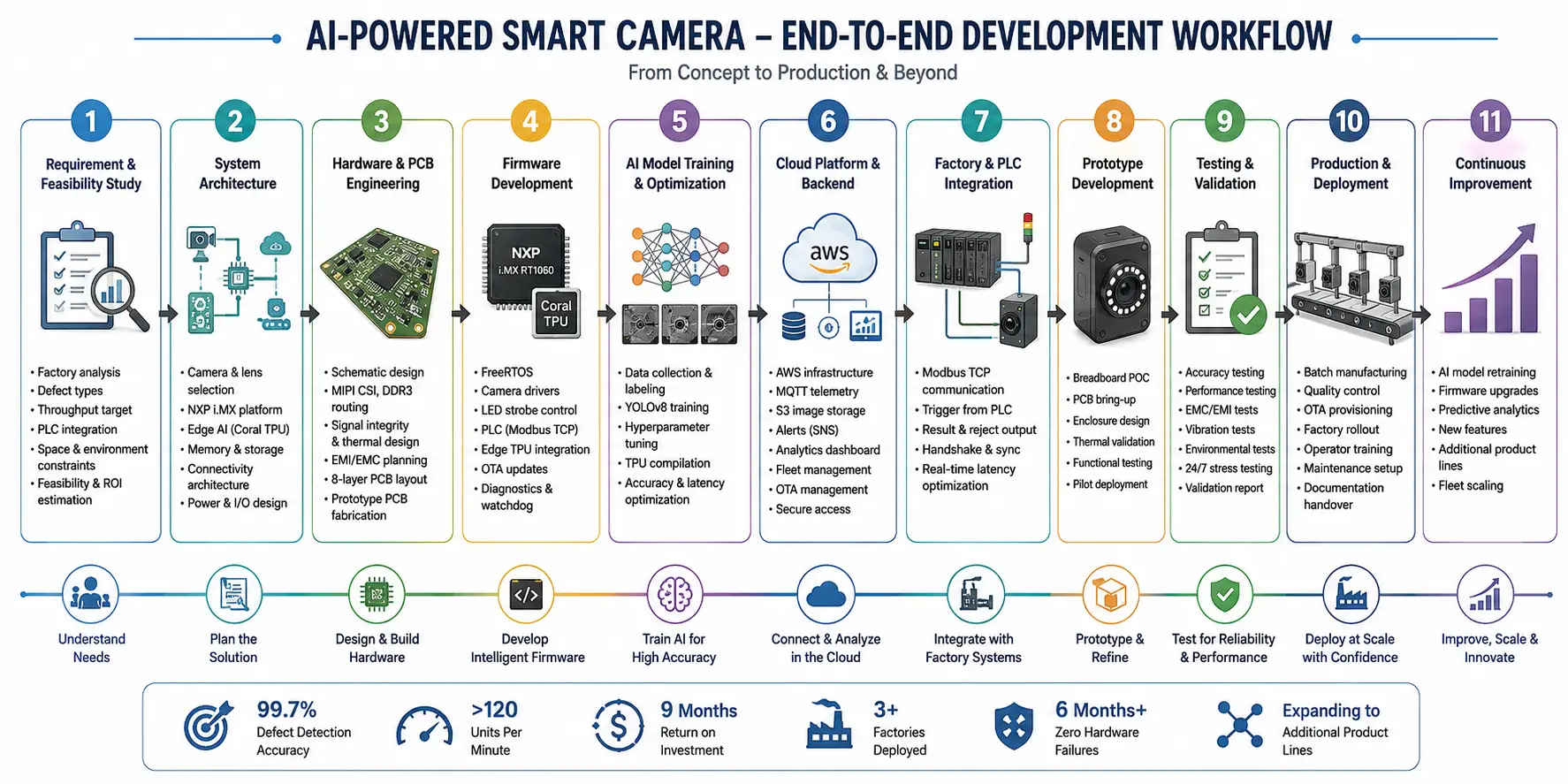
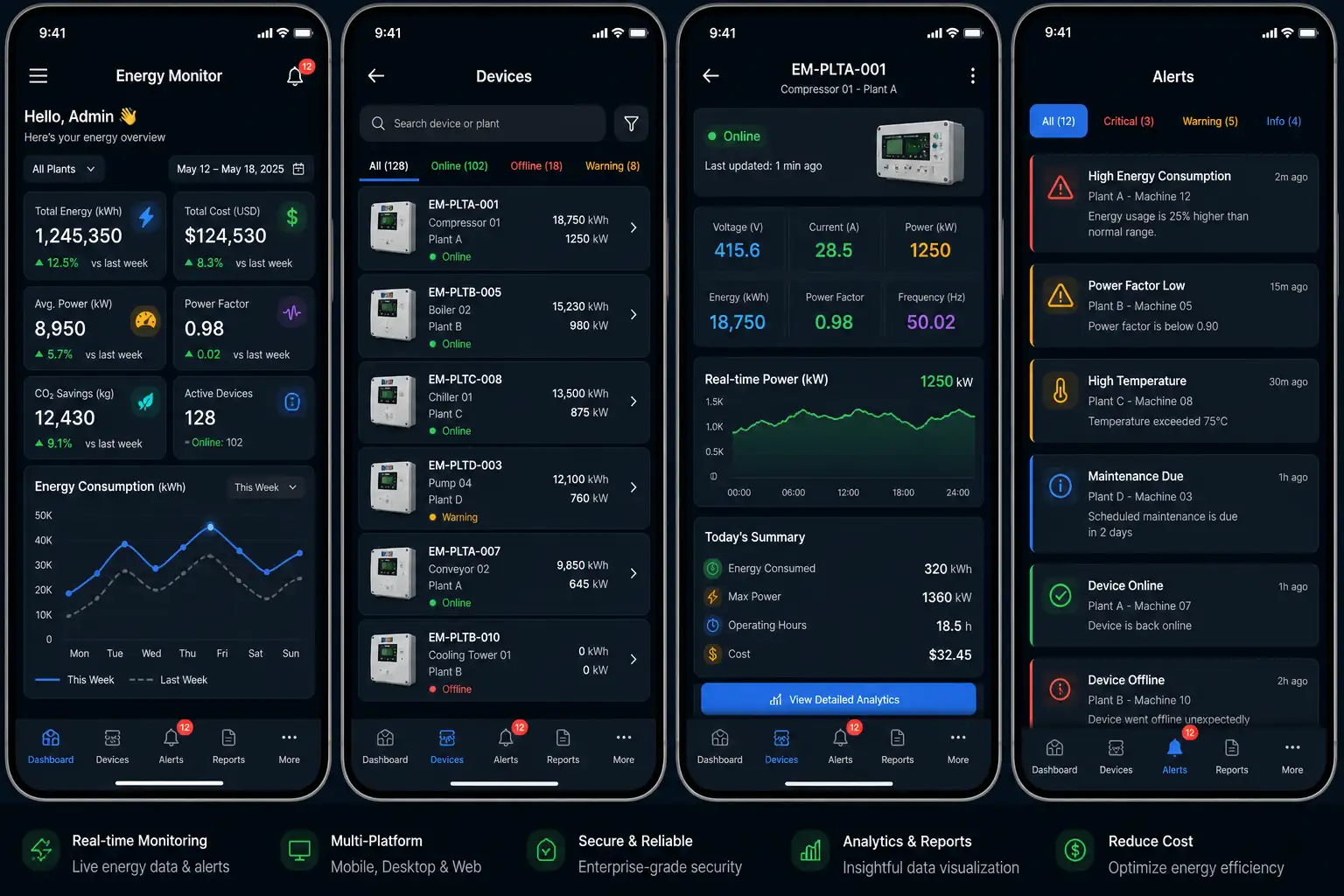
Beyond hardware, we are a full-package technology company. We provide all of the necessary services to develop an electronic product starting with embedded hardware design through firmware, software development, cloud applications, web-based applications, and mobile app development.
This enables our clients to develop a complete electronic product from start to finish without coordinating with multiple vendors for their electronic product development needs.
Contact Us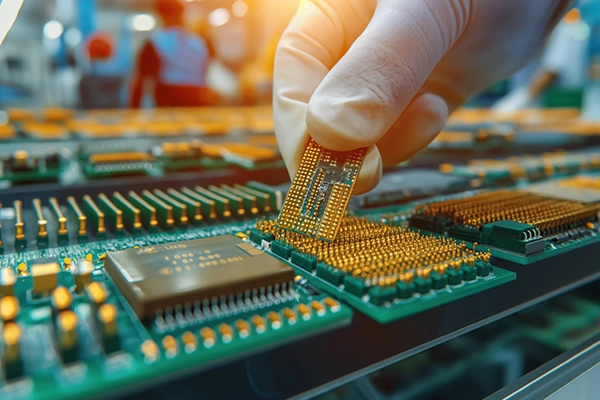
Why PCB Design Is a Systems Engineering Problem, Not Just a Layout Task
The majority of electronic product failures can be attributed to inaccurate, rushed, or insufficiently cross-referenced/design decisions associated with PCB design.
These inaccuracies and defects often lead to EMI (electromagnetic interference)/EMC (electromagnetic compatibility) failure, thermal leakage, signal loss, production rework, and very expensive product recalls.
Our certified PCB engineers treat every project as an overall systems level challenge; prior to routing any traces on the Printed Circuit Board, a complete review of the overall power (architecture), component placement, thermal management, signal integrity, and DFM (Design For Manufacturing) are completed by the engineer.
This discipline is what separates a board that just looks correct from one that performs flawlessly in the field.
Every PCB design at Adequate Infosoft is built around five non-negotiable principles: electrical stability, manufacturability, cost optimization, scalability for mass production, and real-world tested performance.
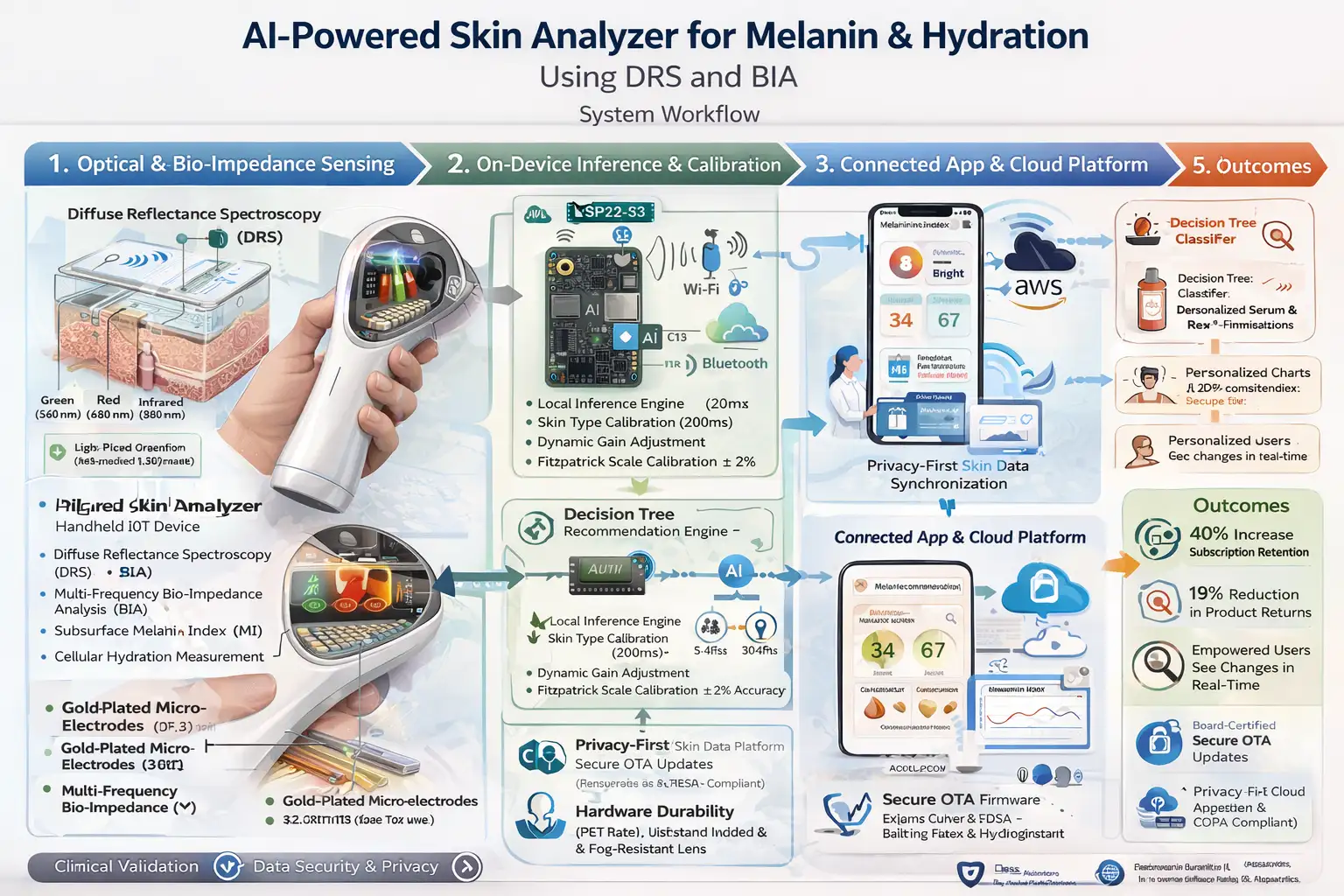
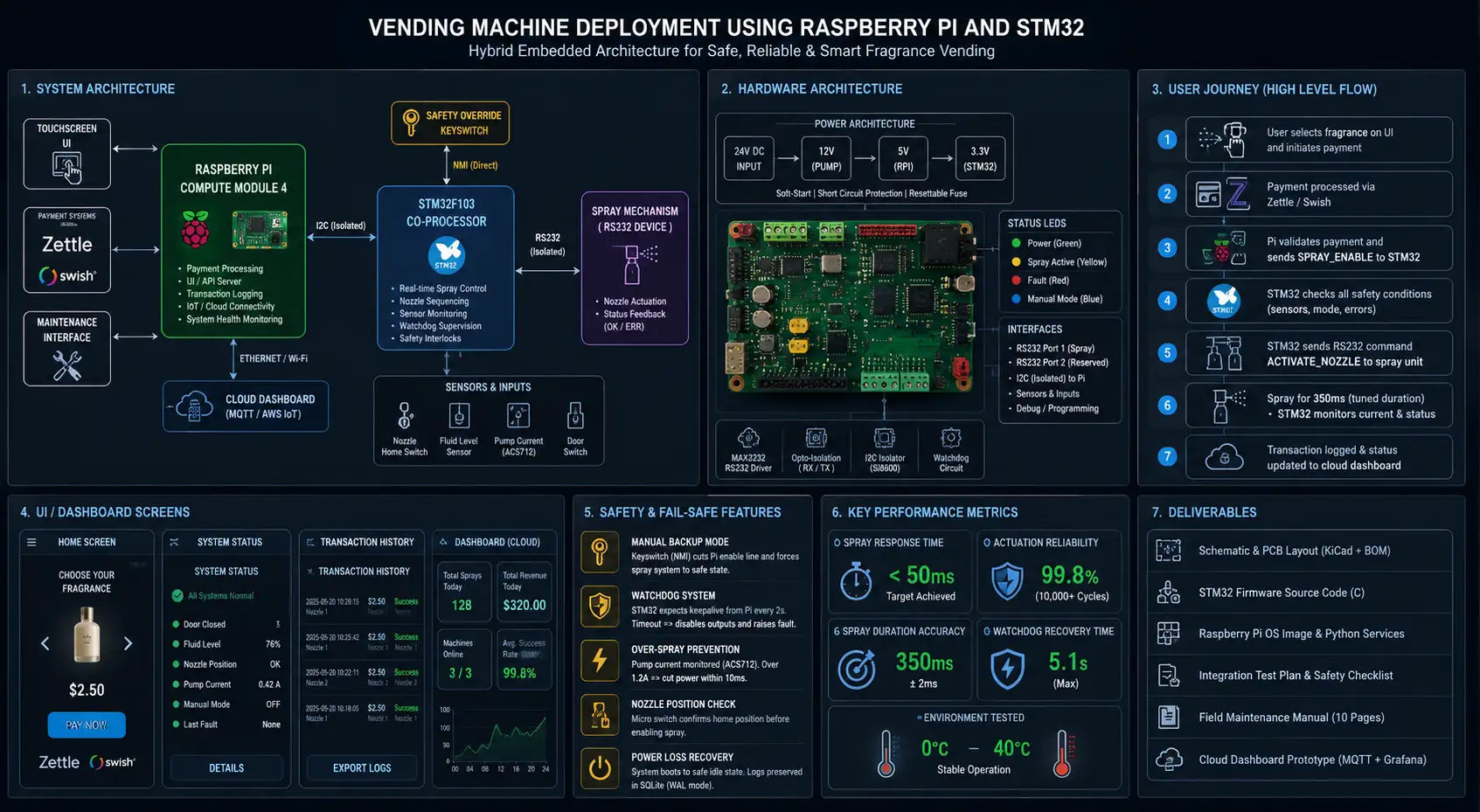
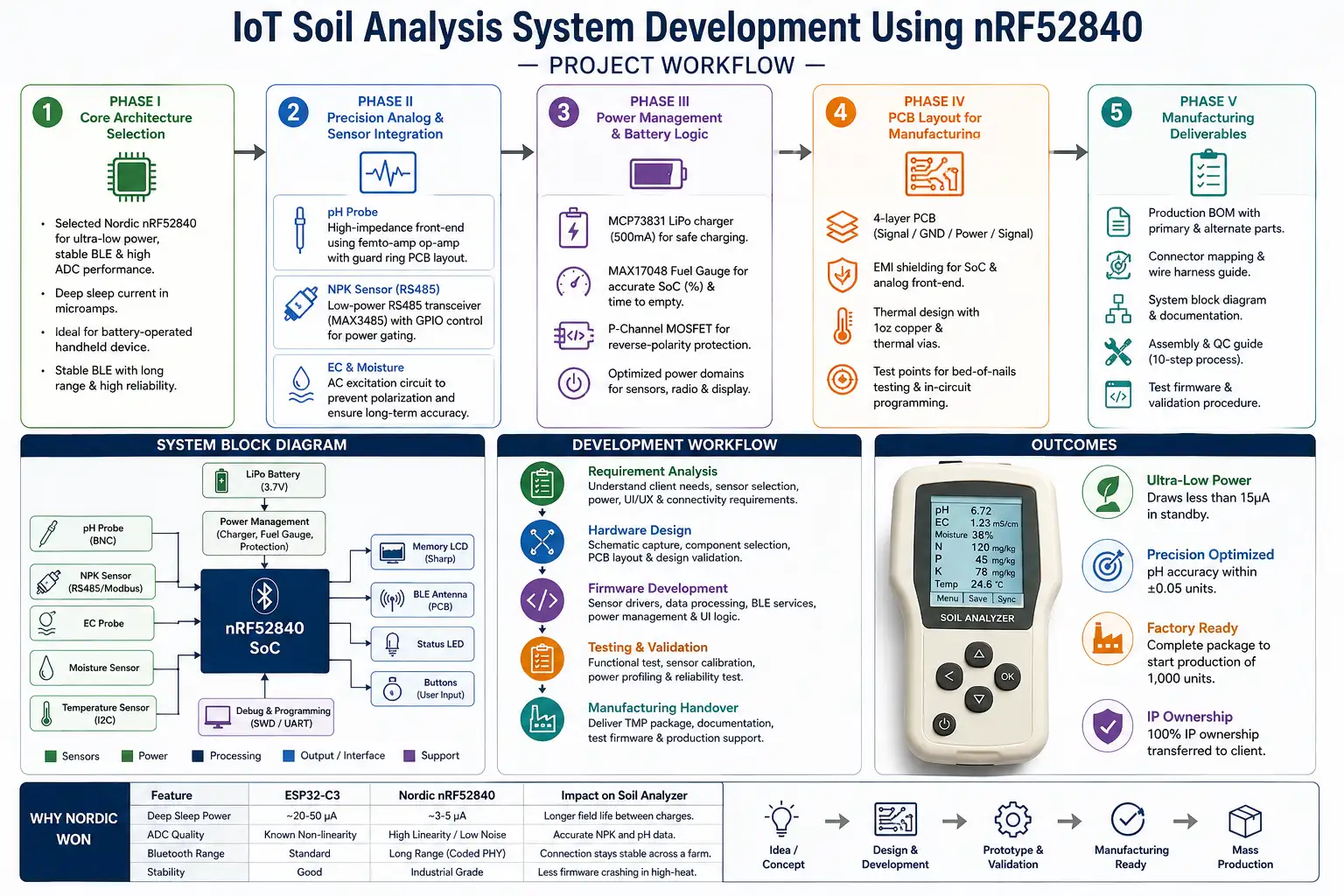
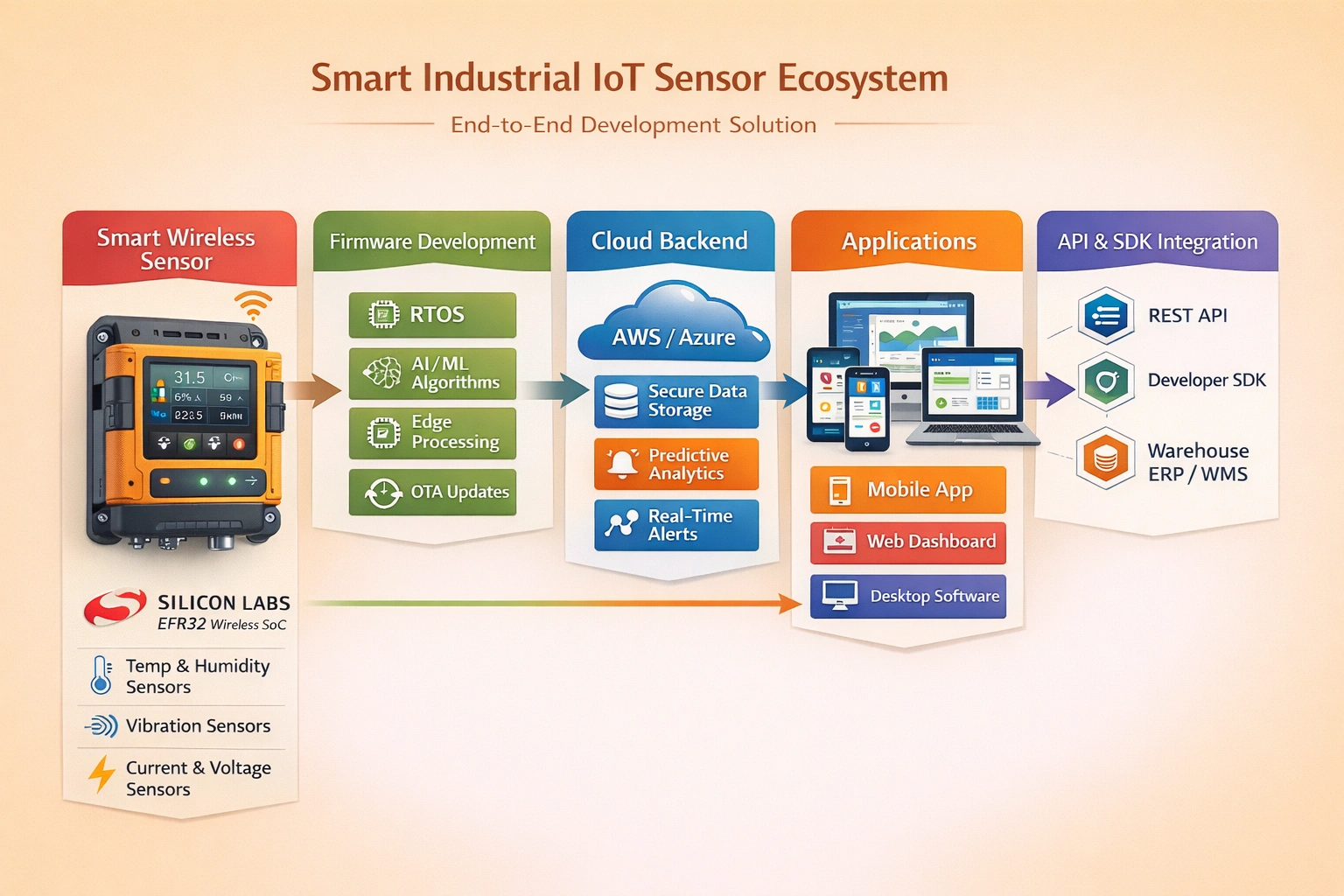
Explore Our Embedded Systems & PCB Development Case Studies
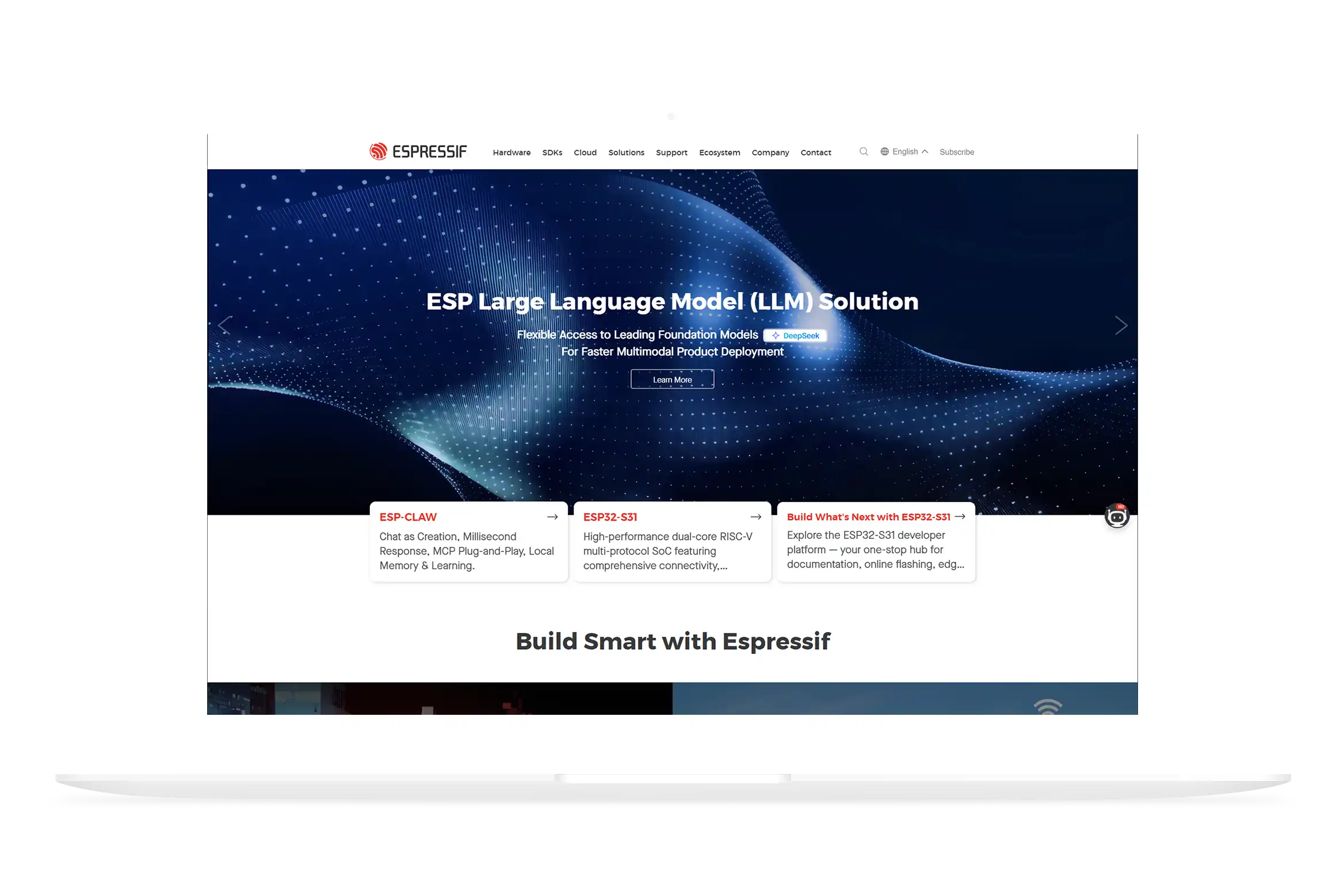
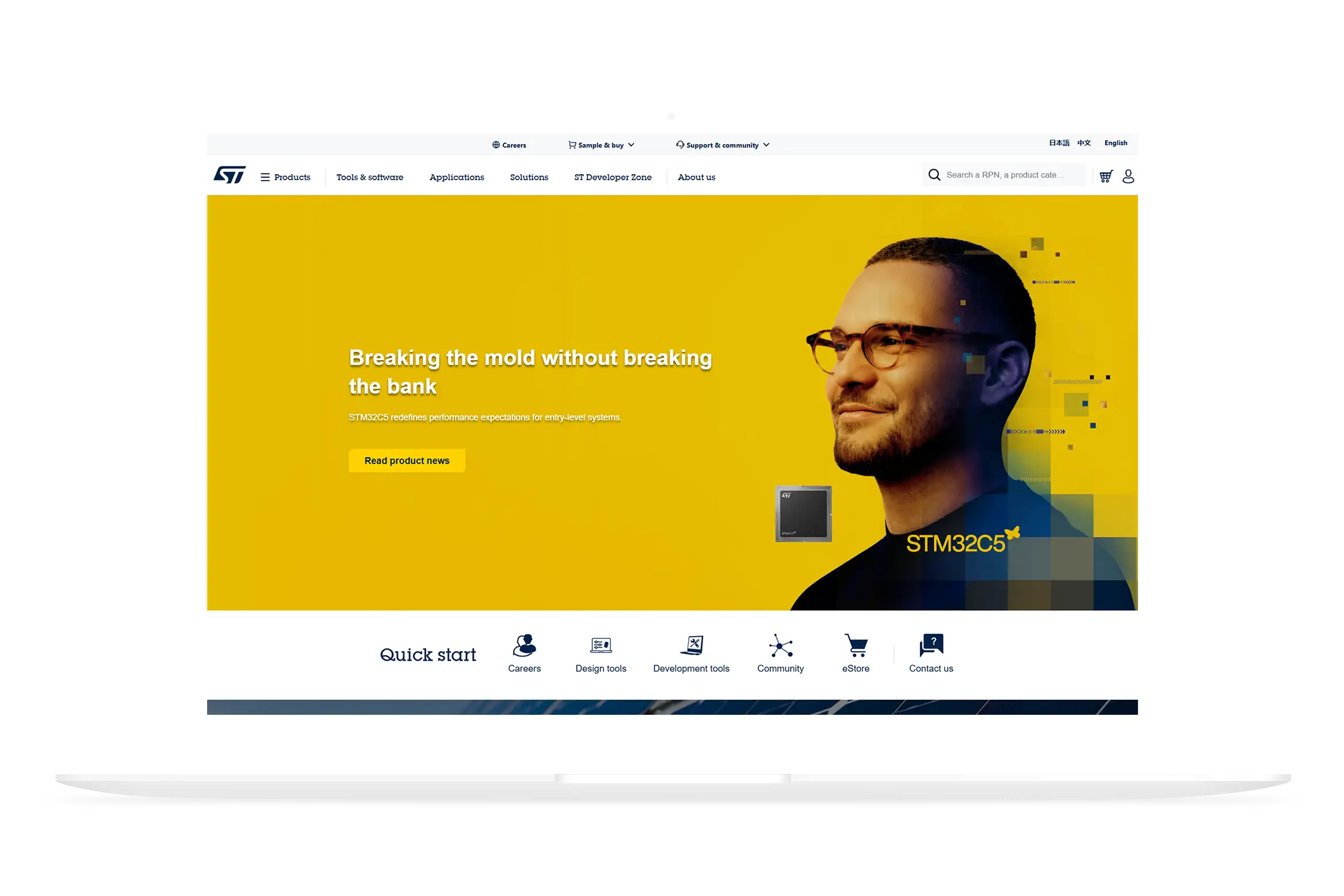
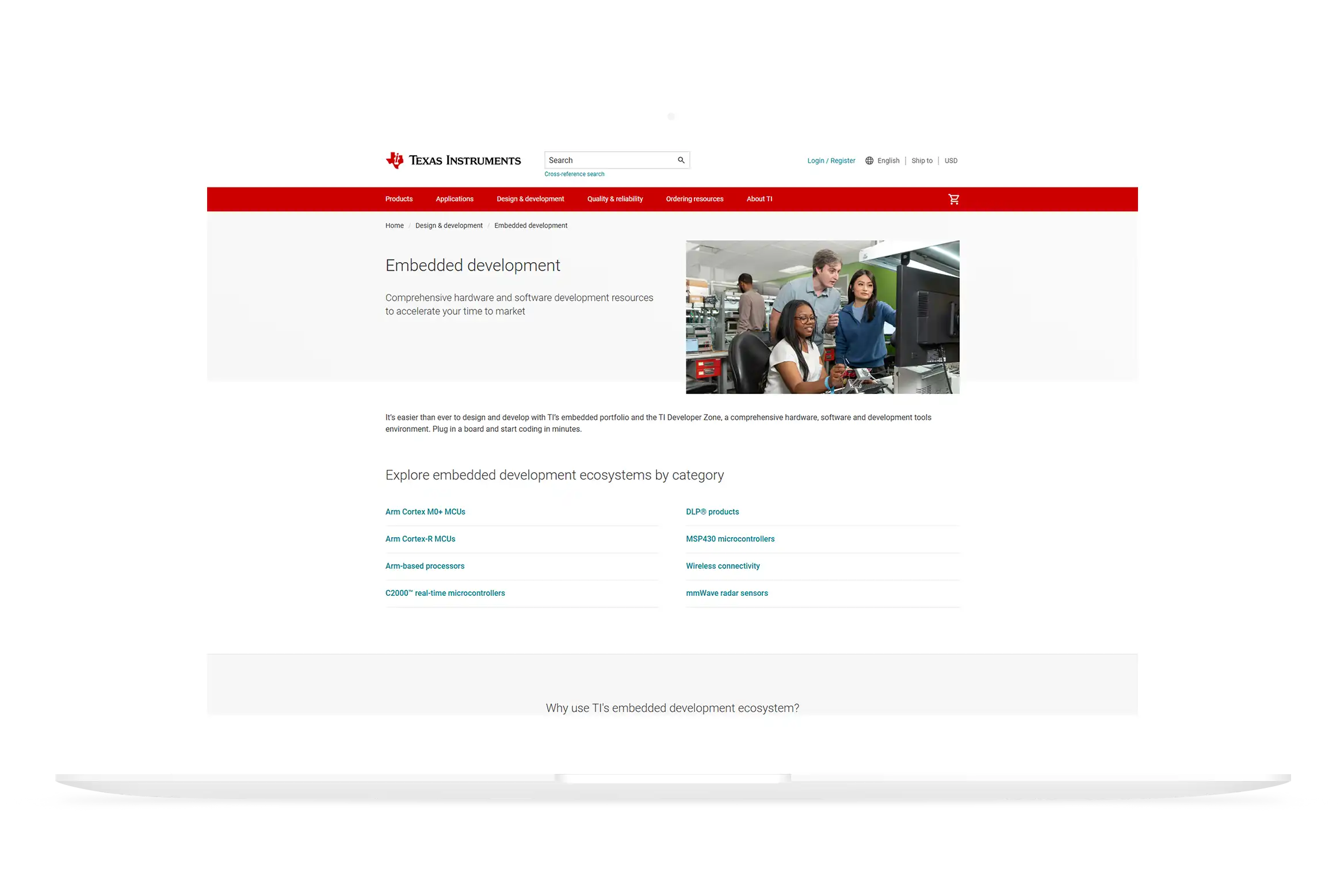
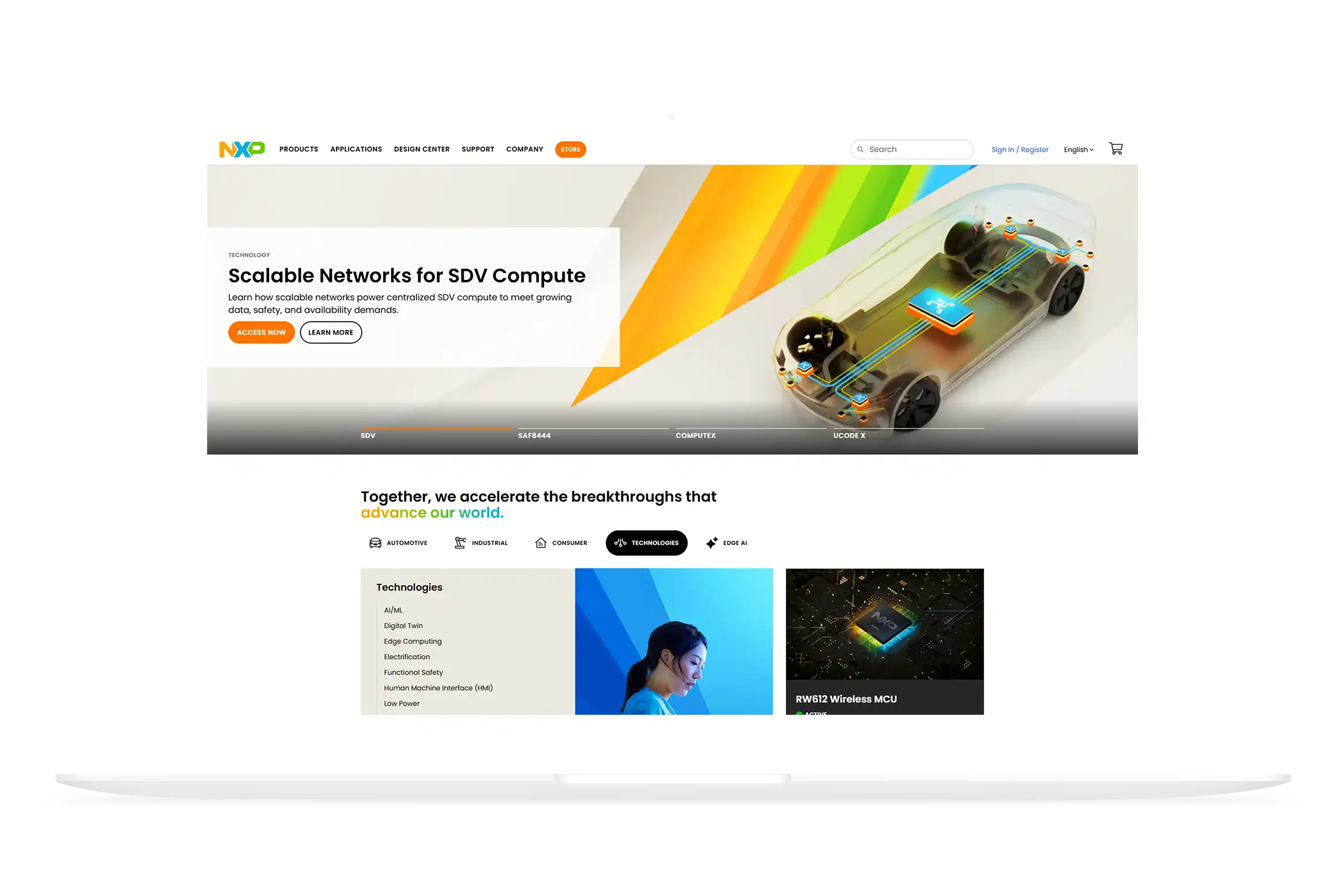
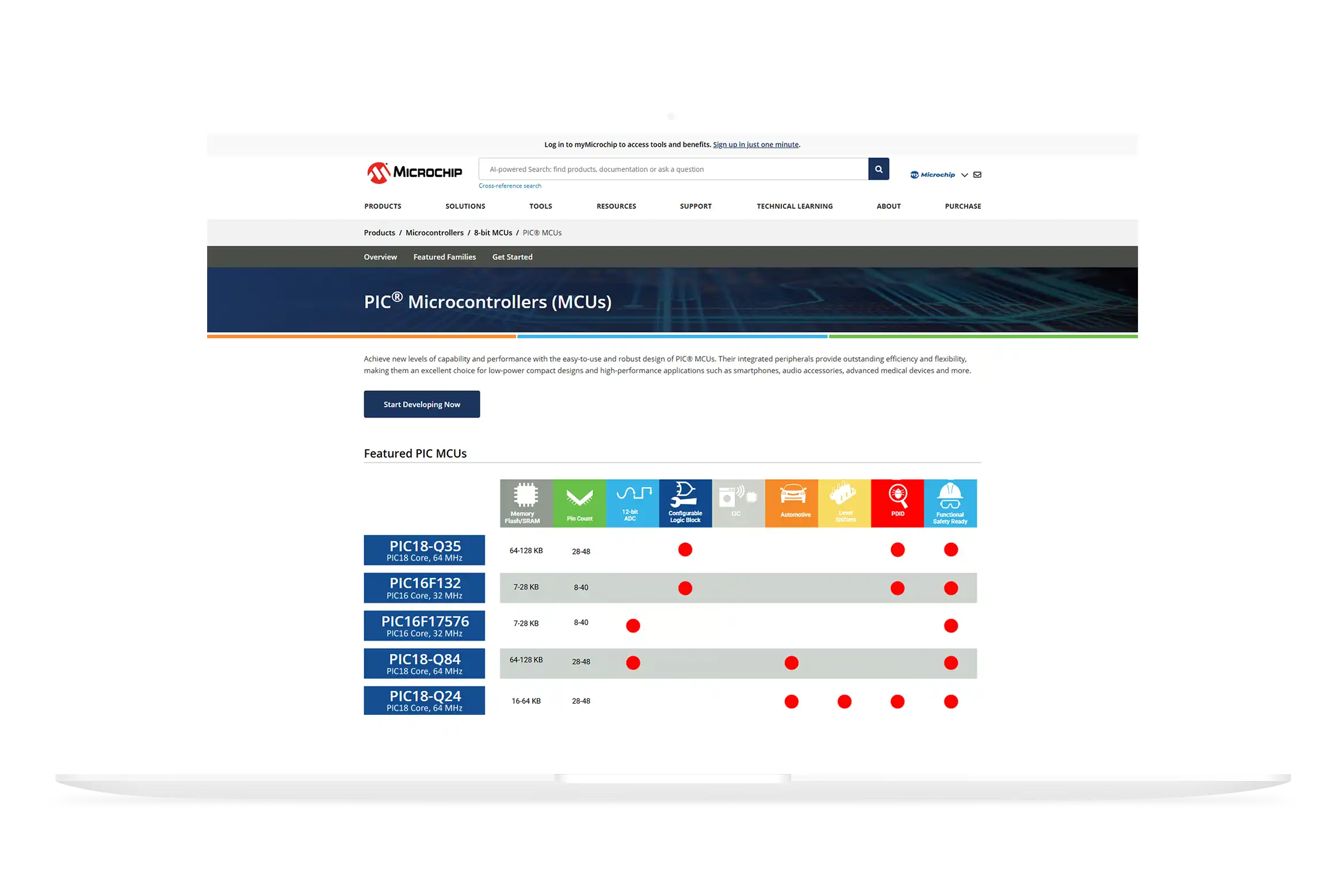
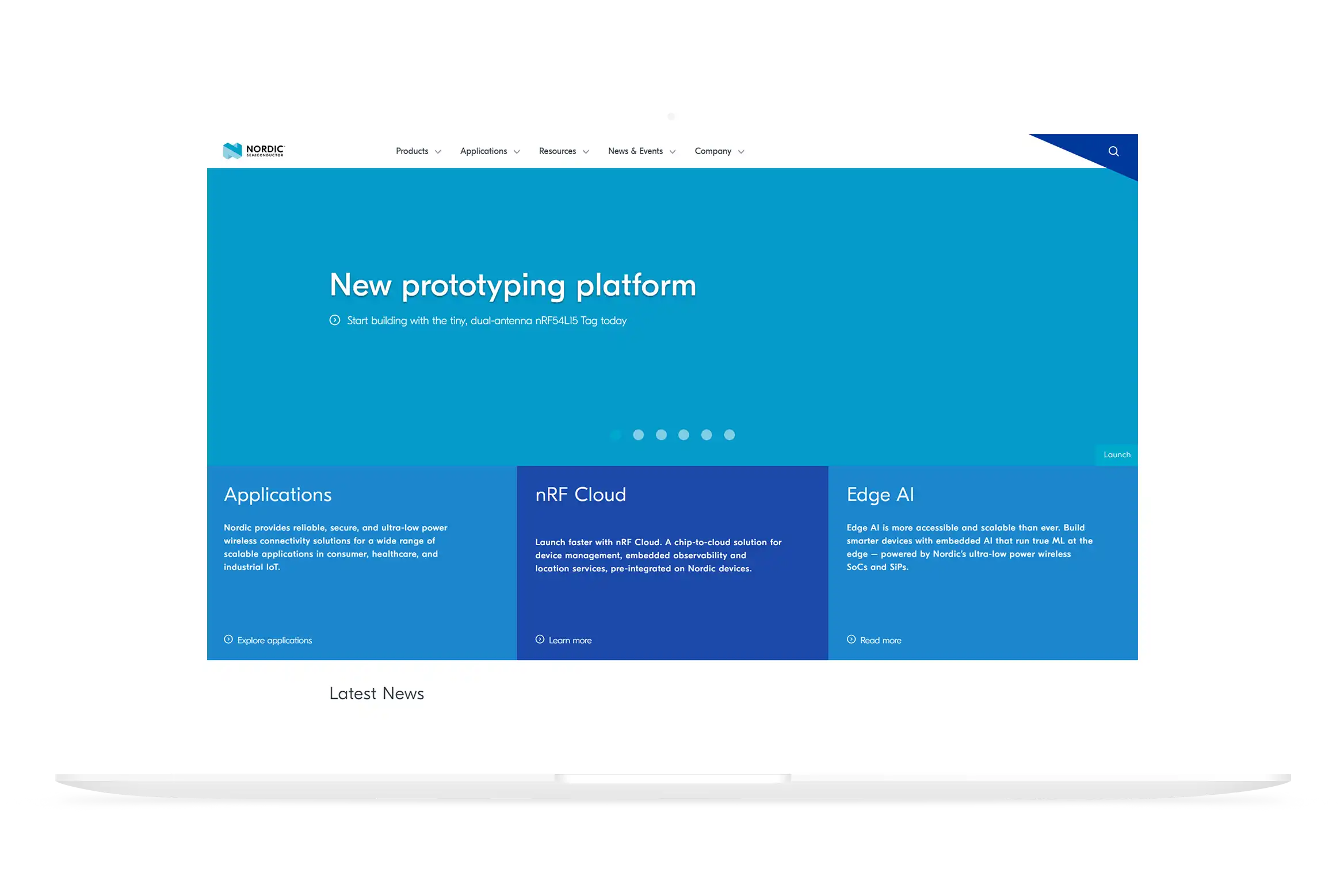
Explore our project case studies delivered on many MCU and embedded platforms, including ESP32, Nordic, STM32, Silicon Labs, Qualcomm, Texas Instruments, NXP and Microchip.
Each of these projects highlights our expertise in hardware design, firmware development, IoT solution development and production-ready embedded systems, allowing you to see how broad our engineering experience is.
Our PCB Design & Layout Services
Schematic Design & Component Engineering
Our PCB design process always begins with a well-structured schematic. We create industry-standard schematic diagrams that are fully documented and reviewed before layout begins.
When selecting components for an IoT product development project, the important factors to consider include their overall availability, lifecycle status, power efficiency, as well as cost. Avoiding the use of obsolete or long lead-time components helps reduce potential supply chain risk.
The precise schematic design of the product is the foundation of all downstream processes related to IoT product development and embedded systems / industrial electronics.
Multi-Layer PCB Layout
Our team handles the full range of PCB layout complexity, from simple two-layer boards to demanding 10-layer+ high-speed designs. Our multi-layer PCB design capabilities include:
Single-layer and double-layer PCBs for cost-sensitive applications 4-layer, 6-layer, and 8+ layer boards for complex digital systems High-speed digital PCB design with controlled impedance Mixed-signal PCB design separating analog and digital domains Rigid, flexible, and rigid-flex PCB layouts
High-Speed & RF PCB Design
For wireless IoT product and RF sensitive design communications module PCB layout discipline is paramount to our engineers who have been designing PCBs for WiFi, Bluetooth, BLE, LTE, LoRa and NB-IoT applications.
We support the most common MCUs like ESP32, STM32, Nordic nRF52, NXP i.MX RT, TI CC series and ARM Cortex M platform.
Our high-speed PCB layout services include controlled impedance routing, differential pair routing, ground plane management, and optimization of antenna placement, all of which lower EMI risks and improve range of wireless communications.
Power Electronics & Analog PCB Design
We design PCBs for power-critical applications including SMPS circuits, linear regulators, battery management systems (BMS), low-noise analog sensor circuits, and industrial power boards. Proper power PCB design is essential for products requiring long battery life, stable voltage delivery, and safe thermal operation.
PCB Prototype Development Services
Speed and accuracy are both important when developing prototypes. As part of our PCB prototype services of getting you from validated schematic to functioning prototype, we'll do it as quickly as possible without sacrificing engineering quality.
Speedy Prototype Development
Our speedup prototype development process includes producing quick-turn PCB layouts complete with an assembly-ready gerber file, finding components, and conducting DFM/DFA checks. These DFM/DFA checks occur before fabrication to prevent layout errors and conflicting components from becoming costly, physical mistakes.
Functional Prototype Testing & Validation
Delivering a PCB prototype is not enough. Our engineers validate every prototype through structured functional testing that includes:
Power-up validation and voltage rail verification Signal integrity and timing analysis Firmware flashing, debugging, and communication protocol testing Thermal behavior analysis under load conditions
This thorough validation process means your prototype is not just built — it is proven, with documented test results that give your team confidence before moving to production.
PCB Fabrication & Assembly (PCBA) Services
PCB Fabrication Services
Adequate Infosoft offers a variety of fabrication capabilities:
FR-4 and other types of material (such as, High-Tg and Rogers) for demanding applications. All boards are produced by using lead-free and RoHS compliant methods. Flexible PCBs and rigid-flex PCBs are available to accommodate wearables and small design requirements. Industrial grade surface finishes (HASL, ENIG, OSP) are produced based on the customers' requirements. Our PCB fabrication capabilities allow us to produce controlled impedance designs for high-speed applications.
PCB Assembly (PCBA)
Beyond bare board fabrication, we coordinate complete PCB assembly services including:
Surface Mount Device (SMD) assembly and Through-Hole assembly of components Production runs from small batches to medium volumes Automated Optical Inspection (AOI) to verify the quality of the assembly X-ray inspection of BGA and fine pitch components Manual and semi-automated soldering of the mixed technology boards
Take a Tour of Our PCB Fabrication & Assembly (PCBA) Facility
This video, which was filmed during a customer's visit to our facility, serves as an overview of our PCB fabrication, assembly, testing and quality control processes.
In this virtual tour of our production facility, you will have the opportunity to view the manufacturing processes used to produce reliable and production-ready products from electronic designs. You will gain practical insight into the design and engineering capabilities of our facilities as well as the workflow within our assembly area.
PCB Programming & Embedded Firmware Development
What differentiates Adequate Infosoft from a regular PCB design company is that we have in-house capabilities for both firmware and software development. We take care of the entire process after your board has been fabricated and assembled, programming/validating the firmware on your custom PCBs with our embedded engineers.
Microcontroller Programming
Our team supports multiple microcontroller platforms, including the ESP32, ESP8266, STM32, AVR, PIC, and ARM Cortex-M series, by writing production-level embedded firmware that meets both your design specifications as well as the specific application requirements for your products.
Embedded Firmware Development
Our firmware services can provide bare-metal or RTOS-based embedded firmware development; support implementing communication protocols (UART, SPI, I2C, CAN, USB); allow for OTAs (over-the-air) to be used to update firmware; and enable power-saving modes for battery powered products.
Hardware-Software Integration & Validation
We perform firmware testing directly using your printed circuit board (PCB) prototypes to ensure that the firmware boots up from the opening to be stable, that all connected peripherals are operating correctly, that power consumption meets requirements, and that the product will operate correctly in the field when it is shipped.
Leading MCU Platforms & Technologies in Our Development
The strength of our embedded systems capabilities will enable you to design a PCB layout that aligns your electronic product's Component Selection and Firmware, thereby reducing your overall integration risks.
Certified PCB engineers on our staff have extensive experience designing, developing and integrating firmware into many of the most popular embedded systems available today.

Our Recent PCB Design Projects: ESP32 Drone and Vacuum Cleaner Robot
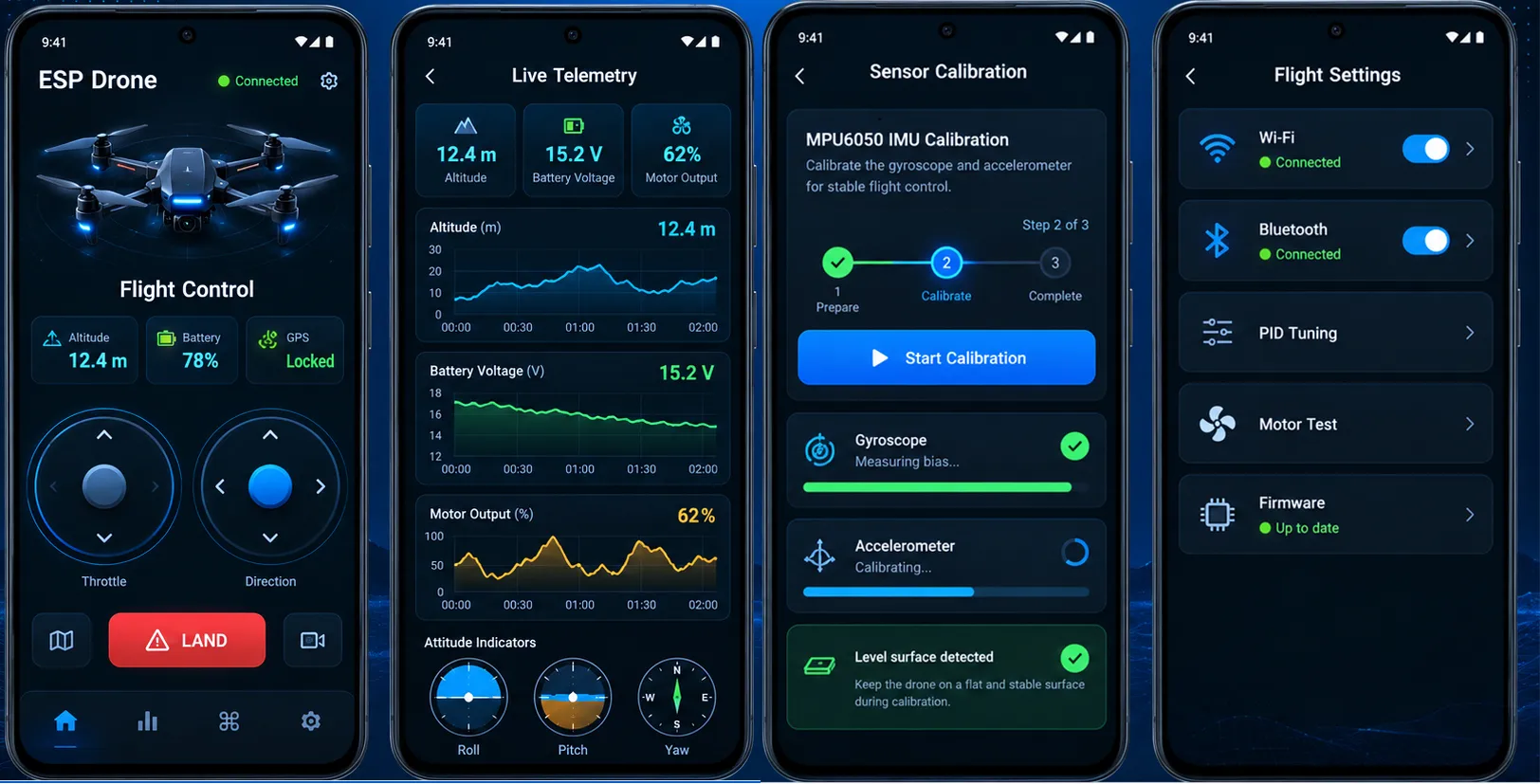
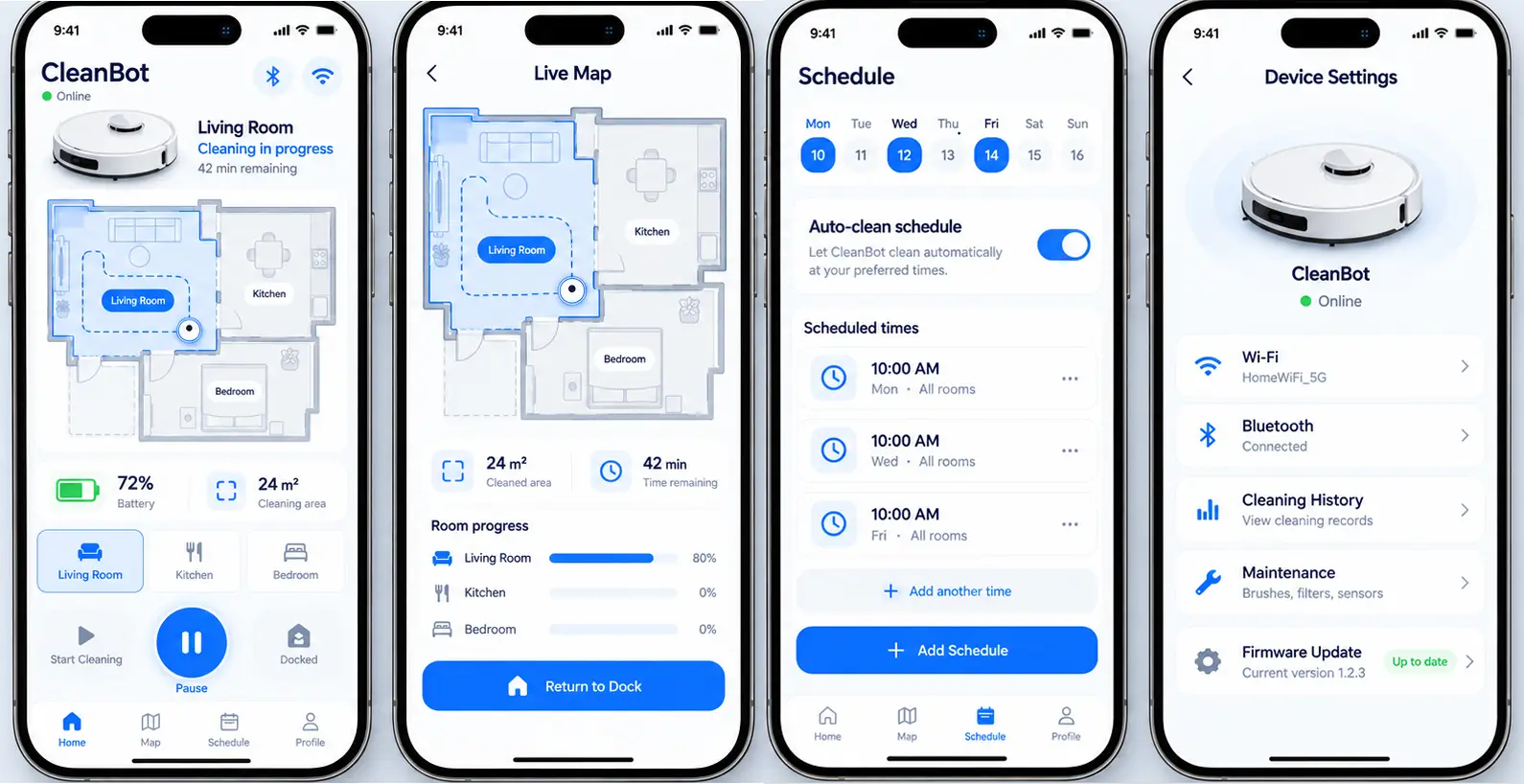
Robotics hardware brings several PCB challenges together: motor loads, sensitive sensors, wireless communication and battery-powered operation.
Our drone platform using ESP32 and our vacuum robot are two examples of how we meet these demands via the creation of custom electronics and modular architecture. Both systems are open source development platforms. Their usefulness lies in the availability of their hardware architecture for study and further engineering.
Managing Power Distribution and Signal Routing
For the flight controller, it needs to include power circuitry together with sensors and communication signals. From the project specification document, clean routing, stable power distribution, filtering, and decoupling are the aspects that have been considered in the design.
From the development journal, the creation of the schematic, footprints, connectors, power and signal routing, and ground plane development have been mentioned. Electrical rules and design rules checks were among the aspects involved in the review before fabrication outputs were created.
Preparing Manufacturing Files and Initial Hardware Checks
The repository contains editable KiCad design files, a BOM, pick-and-place data and a Gerber archive. These provide a practical starting point for fabrication, assembly and subsequent revisions.
The journal also records visual inspection, voltage-rail checks and programming-interface checks. These are initial bring-up activities; they should be distinguished from comprehensive flight qualification or EMC certification.
Read moreProject repository: github.com/IoT-App-Development-Company/esp32-drone-platform
Designing Power Control Around Operating-System Shutdown
A power controller meets a specification that cannot be met by a plain old switch, which is the ability to perform a shutdown prior to the removal of the power from the Raspberry Pi.
The specified procedure will send a shutdown signal through the hardware controller, wait for the shutdown operation to complete, and then remove the power. Communication with the power controller is via I²C protocol with the Arduino.
Documentation of the power controller also includes information on battery measurements and charging faults.
Supporting Debugging and Future Development
The motherboard documentation identifies sensor interfaces, motor-control interfaces, expansion headers and programming connections. These access points matter during integration because developers need to observe signals, update firmware and isolate faults.
The modular approach also supports changes to individual subsystems without requiring every hardware and software function to be redesigned together.
Read moreProject repository: github.com/IoT-App-Development-Company/vacuum-cleaner-robot
What These Projects Demonstrate
This list illustrates our philosophy behind the implementation of electronics within the framework of PCB design and firmware. If you are running a business that wants to hire PCB design engineers, you have examples here of how we approach our electronics design for your project.
Industries We Serve with PCB Design & Fabrication
We have experience in designing and manufacturing printed circuit boards (PCBs) across a wide range of industries, however, each industry has different requirements regarding compliance, dependability, and performance:
IoT (Internet of Things) & Smart Devices
We can design PCBs that will control attached devices such as sensors, gateways, and smart controllers.
Industrial Automation
Heavily tested & ruggedized PCB layouts for use on factory floors.
HVAC & Energy Management
Control boards for Smart HVAC, energy meter, and electric vehicle charging systems.
Medical & Healthcare Devices
Precision designed PCBs that meet stringent safety and compliance requirements.
Smart Home & Building Automation
Low-power PCBs for smart locks, lighting, and access control products.
Consumer Electronics
We specialize in developing cost-effective PCB designs that are easily manufacturable in high volumes.
Wearable Devices & Embedded Systems
Small, flexible PCB designs for wearable devices.
Reasons to Pick Adequate Infosoft for PCB Design & Fabrication
A team of PCB Engineers with Certifications
Our team has years of hardware engineering experience and is certified, has significant domain expertise across all areas of IoT, industrial, and consumer electronics.
Designing PCB's and the full stack of Electronic Devices
Adequate Infosoft is not just a PCB design company but can provide a full electronic device stack from PCB design to Cloud-based apps and mobile apps.
PCB Design Based on Manufacturing First
All PCB layouts are subjected to a DFM process (Manufacturing Review) prior to producing Gerbers to eliminate manufacturing surprises.
Rapid Prototyping
Rapid prototyping for PCB's allows you to receive prototype PCB's in a short period of time while testing for functionality, allowing quick iterations during product development.
Transparency in the Design Process
We provide full documentation, PCB design review sessions and PCB test documents at each stage of the process, to keep your team up to date at all times.
Multi-Industry Manufacturing Experience
Our PCB design experience from the development of smart locks to medical devices to industrial IOT devices has provided us experience with the compliance and performance requirements of various industries.
Frequently Asked Questions
Yes, we offer Printed Circuit Board fabrication and assembly through verified partners.
Certainly, we will provide assistance with redesigning, optimizing and troubleshooting an existing PCB.
Yes, we offer full firmware programming services for both printed circuit boards and embedded devices.
Yes, we provide support for everything from individual prototype units to low volume production runs.