



 Mean Stack Development
 Vue JS Development
 Javascript Development
 React JS Development
 Angular JS Development
 Next JS development
 Java Development
 Python Development
 Django Development
 Cherrypy Development
 C# Development
 ASP.NET Development
 NodeJS Development
 Laravel Development
 CodeIgniter Development
 Zend Development
 Ruby on Rails Development
 CakePHP Development
 PHP Website Development
 Symfony Development
 Drupal Development
 Joomla Development
 Wordpress Development
 .NET Nuke Development
 Kentico
 Umbraco
 .NET MAUI Development
 Xamarin Application Development
 iOS Application Development
 Android Application Development
 Android Wear App Development
 Ionic Development
 iBeacon Application Development
 Universal Windows Platform (UWP)
 Kotlin Application Development
 Swift Application Development
 Flutter Application Development
 PWA Application Development
 Flutter Health Tech & Wearable App Development Company
 React Native Health Tech Wearable App Development
 Offshore Software Development
 Custom Application Development
 Front-End Development
 Full Stack Development
 AI & Machine Learning
 Custom CRM Solutions
 Flask Software Development
 Electron JS Development
 ChatGPT Development
 Telemedicine App Development
 Build Smart Telemedicine Platform
 Beauty & Salon App Solutions
 Hire Workato Experts
 Magento Development
 Magento 2.0 Development
 Magento Enterprise
 Shopping Cart Development
 Prestashop Development
 Shopify Development
 Open Cart Development
 WooCommerce Development
 BigCommerce Development
 NopCommerce Development
 Virto Commerce Development
 AspDotNetStorefront Development
 .NET Application Development
 Microsoft Dynamics CRM
 VB .NET Development
 Sharepoint Migration
 ASP.NET Core Development
 ASP.NET MVC Development
 AJAX Development
 Agile Development
 Microsoft Bot
 Microsoft Blazor
 Microsoft Azure Cognitive
 HTML 5
 UI/UX Design
 Graphic Design
 Adobe Photoshop
 XML Application Development
 Cloud Computing Solutions
 Azure Cloud App Development
 AWS Development
 Google Cloud Development
 Certified AWS IoT Services Developers
 DevOps Consulting & Development
 Kubernetes Consulting & Services
 SQL Programming Development
 MySQL Development
 MongoDB Development
 Big Data
 Robotic Process Automation
 Social Media Marketing
 Search Engine Optimization
 QA Testing
 Software Testing
 Software Security
 Maintenance And Support
 I.T. Consulting Services
 Business Intelligence
 YII Development
 Data Analysis
 Alexa Skills Development
 On Demand App for Mobile repairing services
 On Demand App for Car Service Booking
 On Demand App for Cleaning Services
 On Demand App for Pharmacy
 On Demand Dedicated Developers
 On Demand Lawyer App Development



 Nuki Smart Lock
 Salto Smart Lock
 TTlock Smart Lock
 NFC App Development
 Custom IOT Enabled Smart Lock
 Smart Locker Solutions
 Hospital Smart Lock Systems
 Hotel Smart Lock Systems
 Smart Home & Office Locks
 Smart Access for Schools & Colleges
 Unloc Smart Lock Integration
 Yale & August Smart Lock Integration
 Populife Smart Lock Integration
 Smart Lock Hardware Development
 Dairy IoT Solutions
 Agri IoT & AI Solutions
 Weather & Climate Solutions
 Water & Waste Management Solutions
 RaspBerry Pi
 Firmware Software Development
 ESP 32 Software Development
 Embedded Development
 Internet of Things
 Smart IoT Development
 IoT Sensor Integration & Development Solutions
 Smart IoT System Development for HVAC
 Tuya IoT App Development
 Particle IoT SDK
 IoT Development with AI
 Smart Pet GPS Tracker
 Dairy GPS Tracking Solutions
 GPS Fleet Management Software
 Car Rental & Subscription Solutions
 Car Buy & Sell Marketplace Development
 AI-Powered Car Wash App Development
 PCB Design & Fabrication
 IoT AC Automation
 AI–IoT Painting Solutions
 IoT Wearable Hardware & App Development
 HVAC Automation & AI Control Systems
 Smart Home IoT Engineering
 AI Embedded Systems
 AI Hardware Design Service
 Advanced IoT Hardware & Firmware Development
 Device Driver Development Services
 NXP i.MX RT Firmware & Hardware Services
 Microchip PIC & AVR Development
 Hire IoT Architects
 IoT Cloud & Infrastructure Solutions
 Infineon XMC / AURIX Development Services
 Matter & Thread IoT Services
 Native IoT Mobile App Development (BLE & Wi-Fi)
 Snapdragon IoT Firmware Development
 Renesas RA/RX Firmware Services
 Silicon Labs EFR32 Development Services
 Smart Wearable App Development
 Smart IoT Meters
 Smart Healthcare Wearable App Development
 Health Care Monitoring System
 Fitness Tracking App Development
 Smart Home Automation Apps
 nRF PCB Design
 ESP32 PCB Design
 Embedded Wearables Engineers
 Rental Property Management System
 Building Management System
 Smart Lighting Development
 Infineon Semiconductor Firmware Development Services
 Custom Camera Development: Hardware, Firmware & PCB Prototyping
 Smart Security Camera SDK
 Nordic Semiconductor SDK
 Infineon SDK
 Arduino SDK
 NFC Lock Integration
 Kerong Lock Integration
 IoT & AI Solutions for Manufacturing
 Smart Inventory & Logistics Solution
 Food & Beverage Industry Solutions
 Smart Hospitality Solutions
 Smart Property Management
 Custom Smart Home IOT SDK
 Smart IoT & AI in Healthcare
 AI-Powered Security Solutions
 Smart Home Safety & AI
 Veterinary Clinic Management (AI)
 Pet Care System (AI & IoT)
 Pet Training & Adoption (AI)
 Healthcare IoT Development
 Event Management Software
 Money Remittance App
 Money Lending App Development
 Utility and Bill Payment App
 IoT Mobile App Development (Flutter & React Native)
 AI & IoT Retail Solutions
 Smart EV App Development
 Smart Solar IoT & AI Solutions
 IoT-Based Energy Systems
 Smart Energy & Utilities Solutions
 6G Solutions
 IoT Security Solutions
 AI-Powered Lottery App Development
 AI-Sports Fitness Club Management
 Travel
 Real Estate
 Medical & Healthcare
 e-Learning
 Consumer Products
 Finance
 Automobile
 Media & Entertainment
 Billing Software
 Enterprise Resource Planning (ERP)
 Augumented & Virtual Reality
 Point of Sale(POS) Development
 Learning Management System
 EV Charging Solutions
 About Us
 Partners & Certifications
 Quality Assurance
 Our Clients & Testimonials
 Development Process
 Our Products
 Social Responsibility
 Work Ethics
 Vision & Mission
 Awards
 Live Project Demos
 Contact Us
 Case Studies
 Portfolio
 Blog
Blog
Design and Development of Smart Locker and Smart Lock Applications
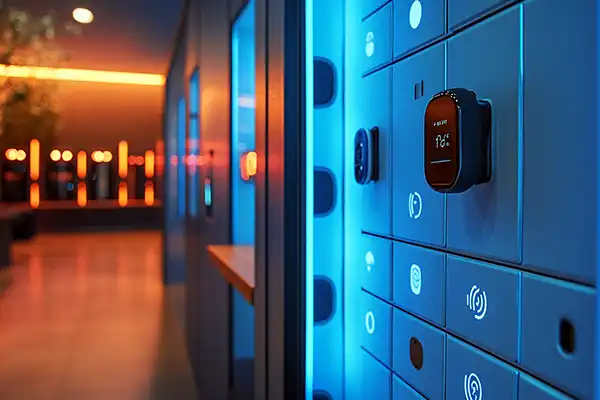
A smart locker needs to do more than open when someone scans a code. It needs to assign the right compartment, recognise an authorised user and keep an accurate record of what happened. When a payment fails or a door does not open, the system also needs a practical way to resolve the problem.
Adequate Infosoft develops custom smart locker software, mobile applications and web management platforms for parcel collection, workplace storage, equipment lending and paid locker rentals. We connect the customer experience with the hardware and operational tools behind it.
Already have a locker manufacturer or an existing installation? Our specialists can help you evaluate available integration possibilities to determine what can be used as is and what requires further development, as well as what features are dependent on the selected hardware.
Our Smart Locker and Smart Lock Development Services
Product Planning and Hardware Feasibility
We assist in defining the workflow of the lockers, users’ identities, as well as the points of connectivity and integration. In the initial phases, we will analyze the hardware manuals and run tests around the functions available from the sample devices.
Customer, Courier and Employee Mobile Apps
We develop Android and iOS applications for booking lockers, receiving collection instructions, accessing assigned compartments and managing rental sessions. Interfaces can be tailored to customers, delivery staff or employees, with each role seeing only the actions it needs.
Web-Based Locker Management Software
Give your operations team a central place to manage sites, locker banks, compartments and users. Depending on available hardware data, the dashboard can show reservations, access events, connectivity status and maintenance issues, with permissions for different administrative roles.
Kiosk and App-less Access
Some customers want to pick up the parcel without downloading an application. We create the workflow in a kiosk or browser with the methods of PIN codes, QR codes among the other methods, and we prepare the instructions on the errors with codes, failed attempts and support requests.
Lock, Controller and Gateway Integration
We connect applications with compatible manufacturer SDKs, APIs and documented device protocols. The integration may involve individual locks, a central controller or a gateway. Supported commands, event reporting and offline behaviour are confirmed for the selected hardware.
Locker Allocation and Reservation Systems
We build allocation rules around compartment size, location, availability and booking duration. The software should prevent competing bookings from receiving the same compartment and handle cancellations, expired reservations and lockers temporarily removed from service.
Parcel Delivery, Click&Collect and Return
We develop solutions for authentication of the courier, compartment assignment and messages to the customer. Return can include validation of the order and pickup by the authorized courier. Our solution helps to connect these events and your logistics and retail systems.
Rental, Subscription and Payment Integration
For luggage storage, gyms and shared facilities, we develop booking, pricing, payment and extension workflows. Payment records remain separate from physical access events, allowing staff to investigate situations where a customer has paid but a locker has not opened.
Employee Storage and Equipment Lending
We create applications for assigned workplace lockers and shared equipment such as laptops, tools and devices. Features can include employee authentication, item reservations, issue-and-return records, overdue reminders and integration with supported inventory or IT service platforms.
Digital Credentials and Access Approvals
We make use of the credential techniques your hardware allows us to operate. Typical tasks include issuing temporary credentials, setting expiration times, revoking issued credentials and limiting their usages by the clients. Permissions may be local or remote depending on the capabilities of the platform used.
Business System and Cloud Integration
Connect locker activity with your existing software through approved APIs and event integrations. Relevant systems may include order management, warehouse software, employee directories, customer support and payment providers. We also plan how failed or duplicated events should be handled.
Smart Door Lock and Cabinet Lock Applications
Alongside locker systems, we develop applications for compatible door and cabinet locks. Projects may include mobile keys, scheduled access, visitor permissions and administration tools. Each integration is scoped around the specific lock model, manufacturer platform and available developer access.
Security, Reliability and Device Testing
Testing covers more than a successful unlock. We assess permission checks, expired credentials, repeated requests, interrupted connections and application recovery. Hardware testing also checks which physical events can be confirmed and how the interface should communicate uncertainty.
Deployment, Transfer and Ongoing Maintenance
We provide assistance with the launch of trials and commercial use of the product. The transfer would include source-codes, integration documentation, step-by-step instructions on how toimplement the system and its use. The continuance might include mobile operating system improvements, changes in the vendor’s APIs and investigation of any incidents taking place.
Specialized Locker and Lock Applications
Let’s look at some examples of the sectors for which we build apps.
Parcel Delivery Locker Apps
If you’re in e-commerce or logistics, you understand the challenges of last-mile delivery. We want an app that:
-
Makes it easy for delivery agents to drop off parcels, -
Instantly sends a one-time code (OTP) or QR code to the customer, -
Allows real-time tracking of locker availability.
We can build all of this, along with API integrations, so your entire system runs smoothly.
Rental and Shared Locker Systems (e.g., gyms, railway stations)
Here, the focus is on user experience. Customers should quickly rent a locker, make a payment, and get an access code. We’ve created apps that handle high traffic without any issues.
Smart Home and Office Lock Apps
These apps have different requirements. They need to do more than simply lock and unlock. We must:
-
Provide temporary access e.g., giving a visitor access for one hour, -
Keep a complete history of who entered and left the home and when, -
Integrate with other smart home devices e.g., Alexa or Google Home.
Global Smart Lock & Smart Locker Brands We Have Worked With
If you're creating a new smart access solution, whether for a residential building or a large parcel network, the biggest challenge is picking the right hardware partner. You need a partner that not only makes locks but also offers a platform that your team can easily connect to your custom app.
At Adequate Infosoft, we understand that your time is valuable. That's why we compiled a list of brands that offer reliable B2B solutions and developer tools (SDK/API) This information will help you make the best first steps. We have successfully integrated their solution into our SDK app.
Let's talk about some companies that focus mainly on door and personal access control. These brands help you create the system for your building or property management app, and we are experts on these brands.
TTLock
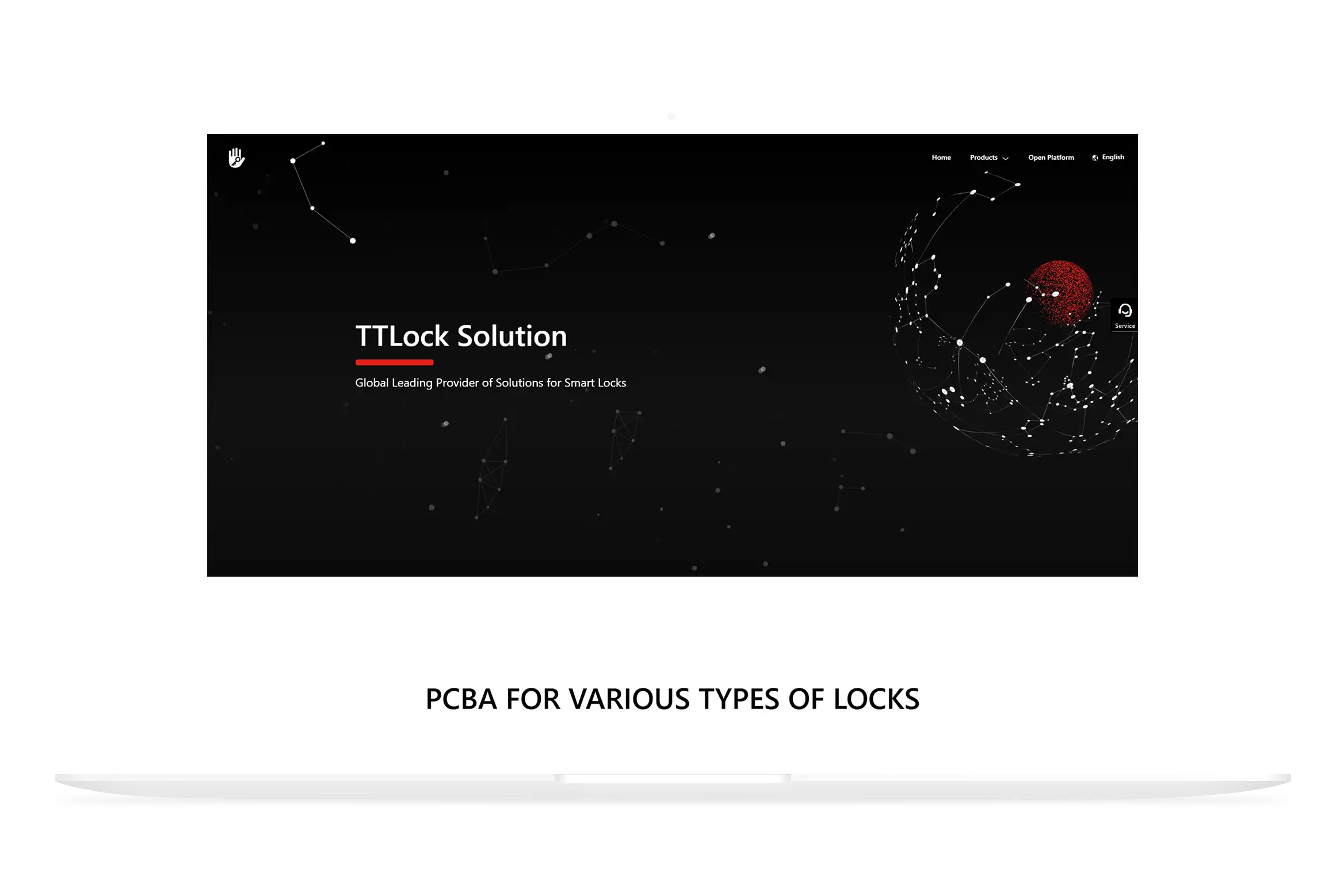
TTLock is more of an ecosystem than just a hardware brand. It's a workhorse in smart lock development. Many hospitality businesses, like hotels and Airbnb, as well as multi-family rentals use them. They shine because they provide a common SDK/API for nearly every type of lock, including door locks, cabinet locks, and bicycle locks.
How to Use (Integration Overview):If you are developing an app that needs to give thousands of users temporary access codes within minutes, TTLock's SDK is essential. Your app communicates with TTLock's API, simply saying, "Give this user access to this lock from this time to that time." TTLock's cloud does the rest, speeding up app development significantly.
Tuya Smart
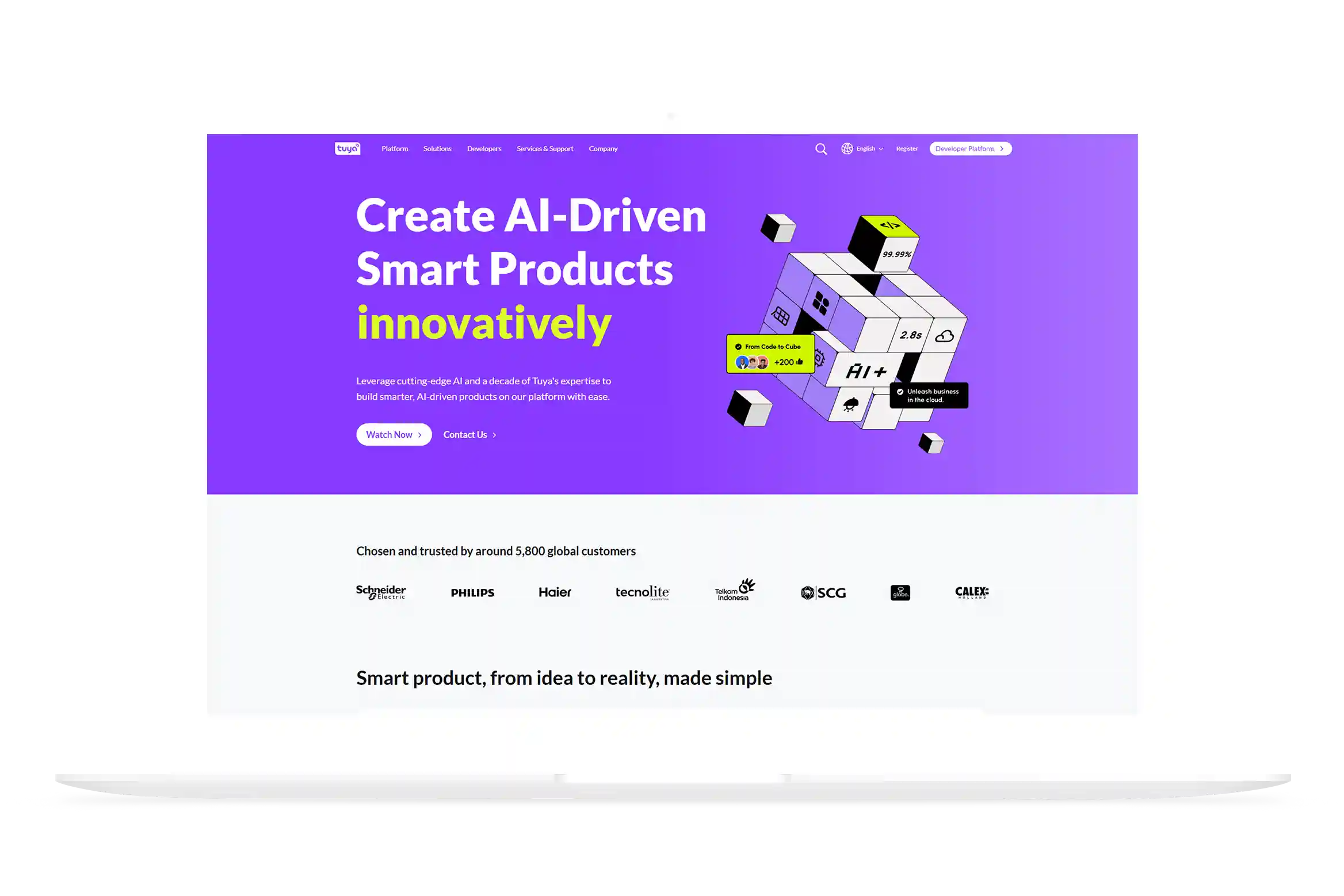
Tuya doesn’t sell locks directly; instead, it operates a huge IoT cloud platform. You can think of it as a highway connecting various Internet of Things (IoT) devices. Numerous manufacturers worldwide use Tuya’s cloud to enhance their smart locks.
If you want to control not just smart locks but also smart lighting, plugs, and cameras from your app, Tuya is useful. You can connect your custom app to thousands of Tuya-compatible devices using their extensive API. This is especially beneficial for projects involving large smart homes or smart offices.
Tapkey
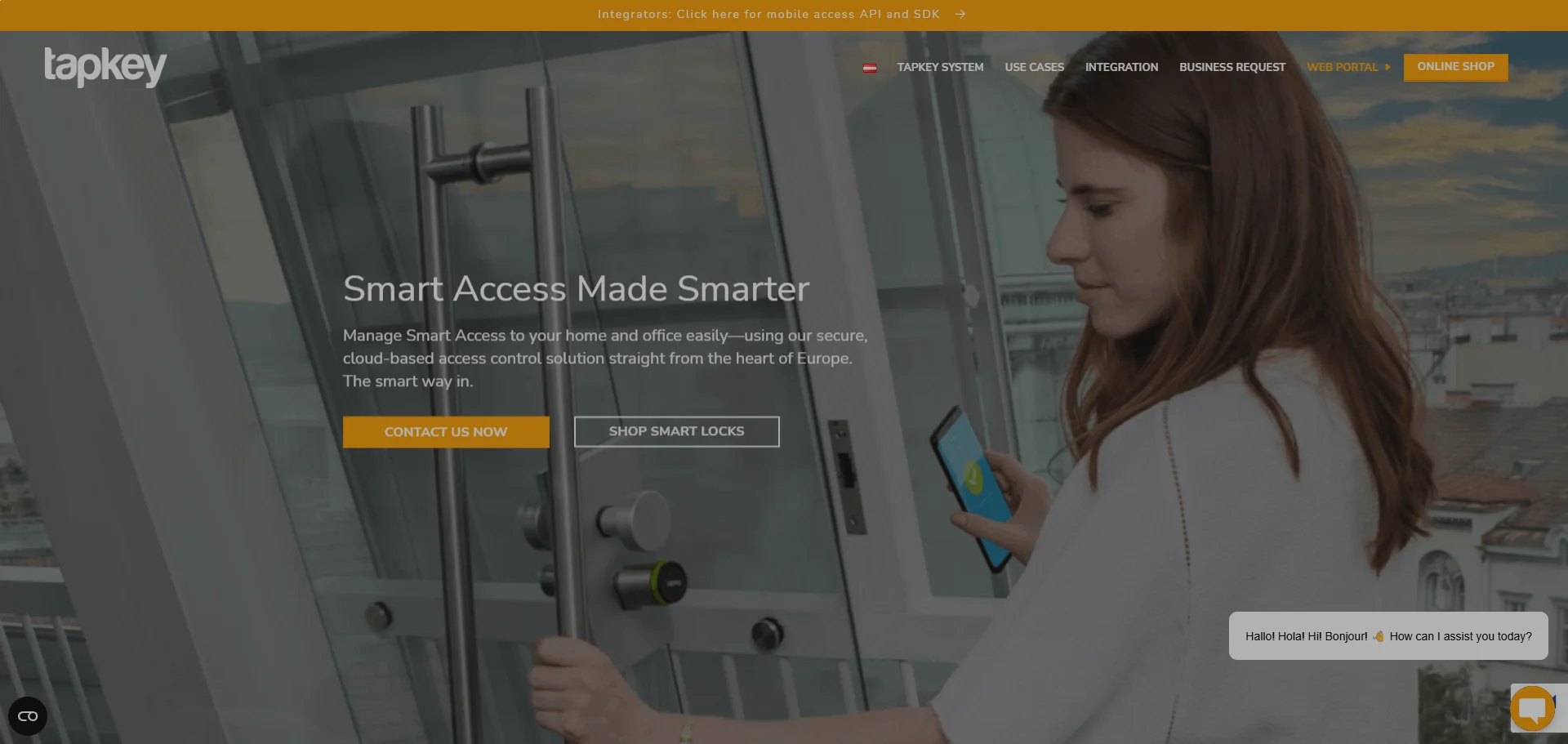
Tapkey specializes in mobile-based access control. Their technology transforms the user's smartphone into a digital key. This solution is ideal for situations where access needs to change quickly, like co-working spaces or gyms.
Integrating Tapkey is straightforward. Will add their Mobile SDK to your custom app. When the user holds their phone near the lock, Tapkey’s SDK sends a secure signal from the phone. This all occurs through a highly secure cloud setup. If your main focus is communication between the phone and lock, Tapkey is a solid choice.
Bloq.it
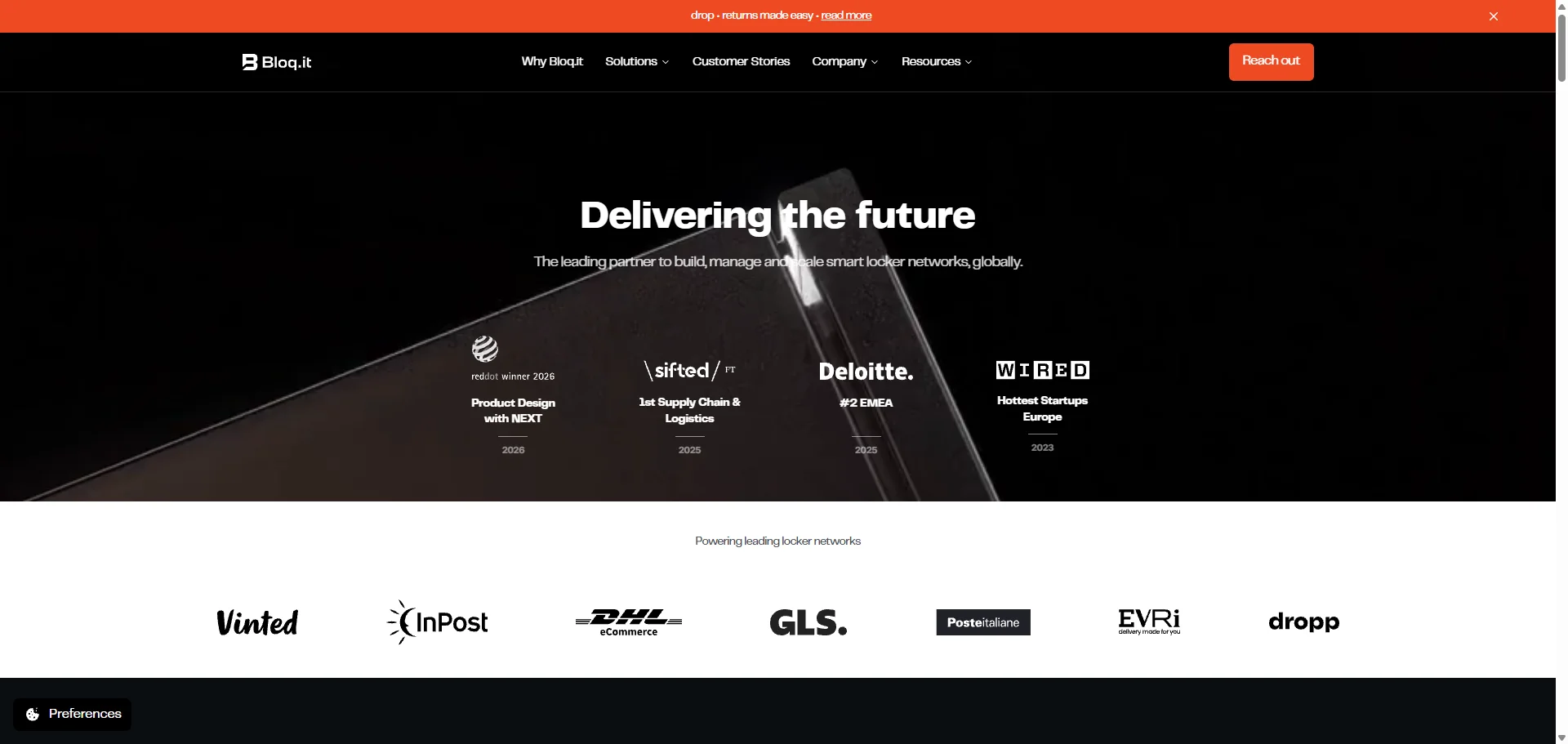
Bloq.it creates modular and customizable smart locker systems. They provide not just locks but also a complete locker operating system (Bloq.OS). Their focus is on complex logistics like parcel delivery, retail pickup, and drop-off.
Logistics companies often use these systems. Your app needs to connect with the locker network using Bloq.it’s REST APIs. For example, you might say, "I need to put a parcel in locker A2." Or you could say, "User B has taken a parcel from locker C5." They have the advantage of managing the entire network instead of just individual lockers. This makes them ideal for large e-commerce projects.
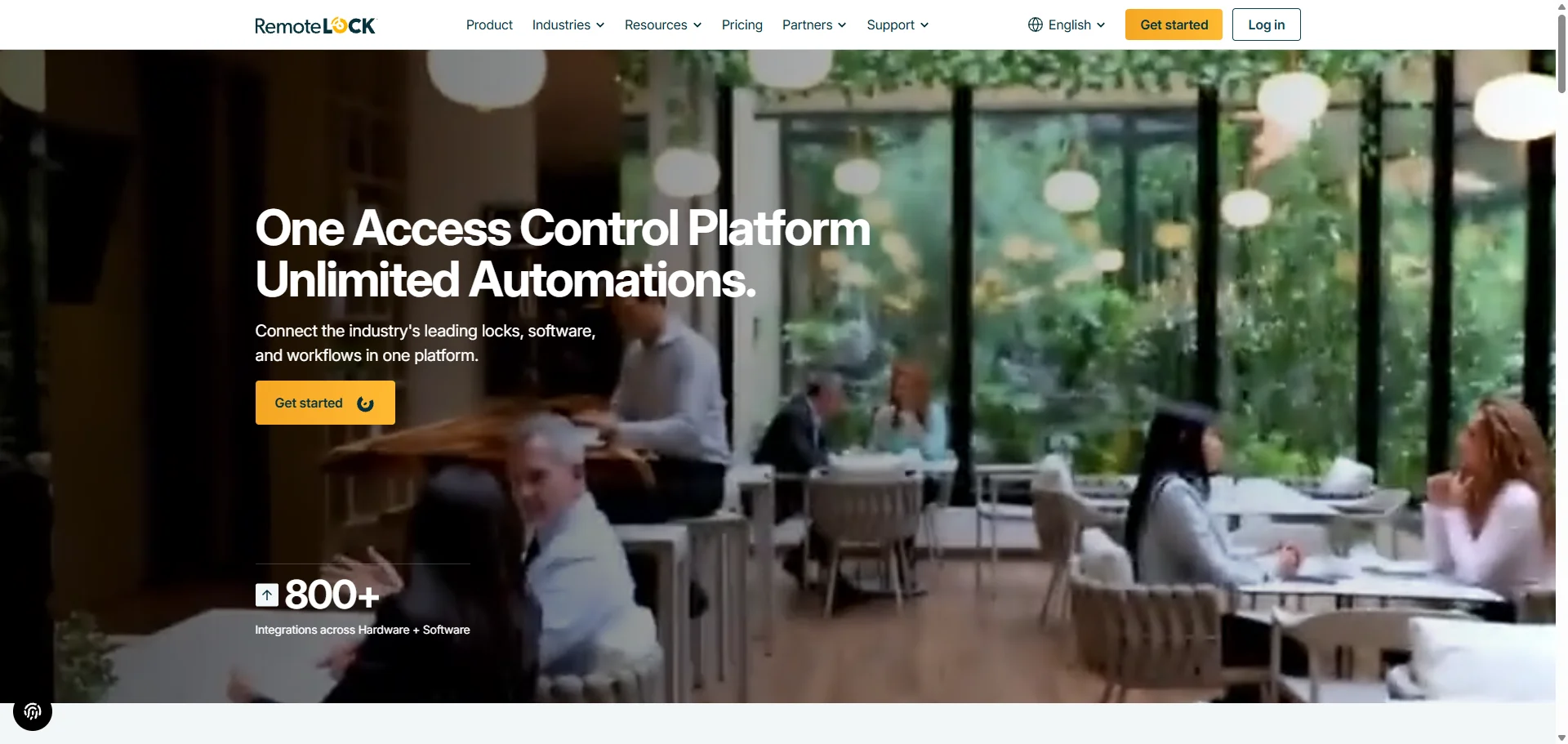
RemoteLock
RemoteLock is an access control platform that lets you manage various hardware brands (e.g., Schlage, Yale, August) in one place and built for property managers who need to control multiple locks and lockers from a single app.
RemoteLock emphasizes cloud-to-cloud integration, so if your client already has various smart locks in place, you can connect your app to the RemoteLock API instead of integrating with each lock brand separately.
RemoteLock will manage all those separate locks, making it an excellent solution for complex property ownership.
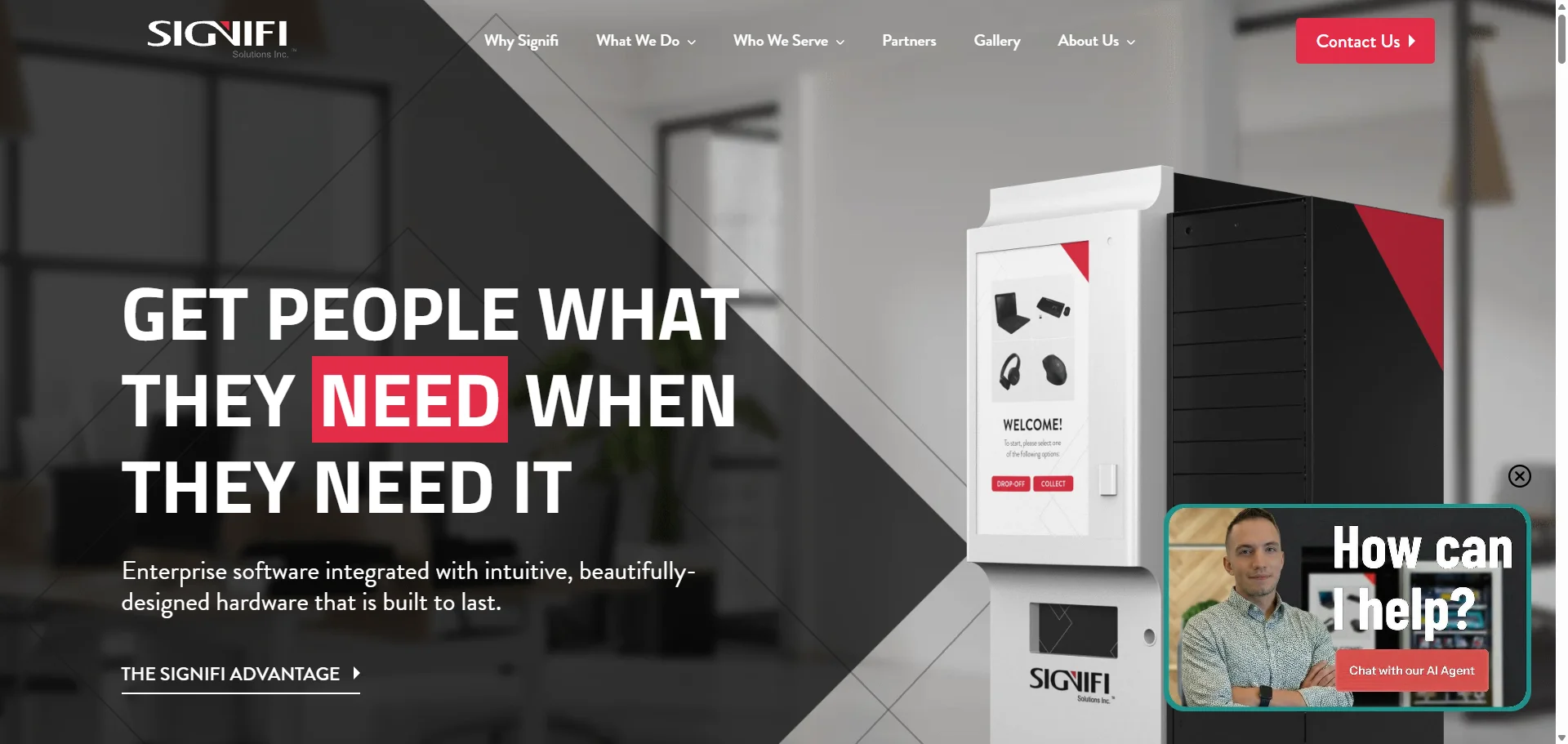
Datrose / Signifi
Offers smart parcel lockers and IT Asset Management (ITAM) locker solutions, provide REST-based APIs that let you integrate their locker system with your ERP, WMS, CRM, or custom mobile/web app.
You can manage features like opening and closing lockers, storage and pickup processes, logs, OTP/PIN verification, and locker health monitoring directly through the API. If you're creating a smart delivery, warehousing, or IT asset management platform, their lockers fit well with your system.
Yellowbox
Smart locker solutions for offices and workplaces. This includes digital key access, app-based management, and cloud control.
It connects directly to technologies like Microsoft Teams, RFID, and Bluetooth, and it also provides custom API integration for developers.
We can include their locker system in your HRMS, attendance system, or workspace management app to enable features like employee locker booking, access control, and storage tracking. It's an effective solution for smart office automation and co-working platforms.

Gantner | Digilock
RFID/NFC-based electronic locks and smart lockers for gyms, spas, hotels, resorts, and corporate spaces, provide SDKs/APIs that let us connect app or software to the locker access control system.
You can manage features like RFID card ID, user authentication, commands to open or close lockers, and activity logs from your system. These lockers integrate easily with gym management systems, access control platforms, and hospitality automation.
Technology We Use
Using the right technology is essential for building a robust, fast, and secure app.
Whenever we create a smart locker or lock app, we focus on:
Bluetooth Low Energy (BLE) or NFC integration
This is the easiest and quickest way to connect the app to the lock hardware. We make sure the connection is instant, even if the user has an older phone or slower internet.
Cloud-based backend
All data, like user profiles, access codes, and log history, is securely stored in the cloud. We use Amazon Web Services or Google Cloud Platform to ensure your system can support thousands or millions of users.
Security protocols (Encryption)
This is crucial. Encrypting access codes and data transfers is a must and apply the latest encryption standards to prevent data theft.
Platforms
We create native apps for iOS and Android. If you're on a tight budget and need to launch quickly, we can use a cross-platform framework like Flutter or React Native. It all depends on what you need.
What Happens When a Locker Does Not Open?
A customer scans a collection code, but the door stays closed. What should happen next?
The application needs to distinguish between a valid credential, an accepted unlock request and a confirmed physical event. These are different outcomes.
The receiving of payment confirmation card or closed door indication does not assure that the compartment has opened or that the parcel is indeed in the compartment. If something is outside the parameters of the device, there should be indications that this factor exists.
We define these situations during planning, which includes rules about retries, escalation of support in case of the malfunctioning compartment. Also, offline access should include the specification of credentials validity, expiration and what happens with the access once connectivity is restored.
The goal is to give customers a clear next step and operators enough information to resolve the problem.
Frequently Asked Questions
Through checking the lock and controller types, the SDK or API that can be utilized, the firmware and commercial access requirements. Having a working sample will help in establishing which features can be integrated.
Yes, where the hardware supports an appropriate kiosk, PIN, QR or browser-based workflow. The right approach depends on how users are identified and how the locker receives an authorised access request.
Certain configurations allow for local access without an internet connection using previously assigned credentials; others require constant internet connection. The use of the system offline and the limitations regarding the expiration and cancellation of credentials must be verified for the particular hardware and platform being utilized.
A custom platform can be designed for multiple locations, with site-specific permissions and central reporting. Capacity requirements should consider active devices, simultaneous requests and event volume—not just the number of registered users.
The scope depends on hardware readiness, the number of user interfaces, integrations, payment requirements and operational complexity. A useful estimate separates software development from hardware, vendor subscriptions, hosting, messaging and ongoing support.
As the integration prototype is different from the production lock system, the levels of work required will also differ. The schedule will depend on hardware validation and will include application development as well as integration testing and the pilot launch.
Source-code ownership and handover should be defined in the development agreement. Third-party SDKs, vendor platforms and commercial components remain subject to their own licence terms.