






 Mean Stack Development
 Vue JS Development
 Javascript Development
 React JS Development
 Angular JS Development
 Next JS development
 Java Development
 Python Development
 Django Development
 Cherrypy Development
 C# Development
 ASP.NET Development
 NodeJS Development
 Laravel Development
 CodeIgniter Development
 Zend Development
 Ruby on Rails Development
 CakePHP Development
 PHP Website Development
 Symfony Development
 Drupal Development
 Joomla Development
 Wordpress Development
 .NET Nuke Development
 Kentico
 Umbraco
 .NET MAUI Development
 Xamarin Application Development
 iOS Application Development
 Android Application Development
 Android Wear App Development
 Ionic Development
 iBeacon Application Development
 Universal Windows Platform (UWP)
 Kotlin Application Development
 Swift Application Development
 Flutter Application Development
 PWA Application Development
 Flutter Health Tech & Wearable App Development Company
 React Native Health Tech Wearable App Development
 Offshore Software Development
 Custom Application Development
 Front-End Development
 Full Stack Development
 AI & Machine Learning
 Custom CRM Solutions
 Flask Software Development
 Electron JS Development
 ChatGPT Development
 Telemedicine App Development
 Build Smart Telemedicine Platform
 Beauty & Salon App Solutions
 Hire Workato Experts
 Magento Development
 Magento 2.0 Development
 Magento Enterprise
 Shopping Cart Development
 Prestashop Development
 Shopify Development
 Open Cart Development
 WooCommerce Development
 BigCommerce Development
 NopCommerce Development
 Virto Commerce Development
 AspDotNetStorefront Development
 .NET Application Development
 Microsoft Dynamics CRM
 VB .NET Development
 Sharepoint Migration
 ASP.NET Core Development
 ASP.NET MVC Development
 AJAX Development
 Agile Development
 Microsoft Bot
 Microsoft Blazor
 Microsoft Azure Cognitive
 HTML 5
 UI/UX Design
 Graphic Design
 Adobe Photoshop
 XML Application Development
 Cloud Computing Solutions
 Azure Cloud App Development
 AWS Development
 Google Cloud Development
 Certified AWS IoT Services Developers
 DevOps Consulting & Development
 Kubernetes Consulting & Services
 SQL Programming Development
 MySQL Development
 MongoDB Development
 Big Data
 Robotic Process Automation
 Social Media Marketing
 Search Engine Optimization
 QA Testing
 Software Testing
 Software Security
 Maintenance And Support
 I.T. Consulting Services
 Business Intelligence
 YII Development
 Data Analysis
 Alexa Skills Development
 On Demand App for Mobile repairing services
 On Demand App for Car Service Booking
 On Demand App for Cleaning Services
 On Demand App for Pharmacy
 On Demand Dedicated Developers
 On Demand Lawyer App Development





 Nuki Smart Lock
 Salto Smart Lock
 TTlock Smart Lock
 NFC App Development
 Custom IOT Enabled Smart Lock
 Smart Locker Solutions
 Hospital Smart Lock Systems
 Hotel Smart Lock Systems
 Smart Home & Office Locks
 Smart Access for Schools & Colleges
 Unloc Smart Lock Integration
 Yale & August Smart Lock Integration
 Populife Smart Lock Integration
 Smart Lock Hardware Development
 Dairy IoT Solutions
 Agri IoT & AI Solutions
 Weather & Climate Solutions
 Water & Waste Management Solutions
 RaspBerry Pi
 Firmware Software Development
 ESP 32 Software Development
 Embedded Development
 Internet of Things
 Smart IoT Development
 IoT Sensor Integration & Development Solutions
 Smart IoT System Development for HVAC
 Tuya IoT App Development
 Particle IoT SDK
 IoT Development with AI
 Smart Pet GPS Tracker
 Dairy GPS Tracking Solutions
 GPS Fleet Management Software
 Car Rental & Subscription Solutions
 Car Buy & Sell Marketplace Development
 AI-Powered Car Wash App Development
 PCB Design & Fabrication
 IoT AC Automation
 AI–IoT Painting Solutions
 IoT Wearable Hardware & App Development
 HVAC Automation & AI Control Systems
 Smart Home IoT Engineering
 AI Embedded Systems
 AI Hardware Design Service
 Advanced IoT Hardware & Firmware Development
 Device Driver Development Services
 NXP i.MX RT Firmware & Hardware Services
 Microchip PIC & AVR Development
 Hire IoT Architects
 IoT Cloud & Infrastructure Solutions
 Infineon XMC / AURIX Development Services
 Matter & Thread IoT Services
 Native IoT Mobile App Development (BLE & Wi-Fi)
 Snapdragon IoT Firmware Development
 Renesas RA/RX Firmware Services
 Silicon Labs EFR32 Development Services
 Smart Wearable App Development
 Smart IoT Meters
 Smart Healthcare Wearable App Development
 Health Care Monitoring System
 Fitness Tracking App Development
 Smart Home Automation Apps
 nRF PCB Design
 ESP32 PCB Design
 Embedded Wearables Engineers
 Rental Property Management System
 Building Management System
 Smart Lighting Development
 Infineon Semiconductor Firmware Development Services
 Custom Camera Development: Hardware, Firmware & PCB Prototyping
 Smart Security Camera SDK
 Nordic Semiconductor SDK
 Infineon SDK
 Arduino SDK
 NFC Lock Integration
 Kerong Lock Integration
 IoT & AI Solutions for Manufacturing
 Smart Inventory & Logistics Solution
 Food & Beverage Industry Solutions
 Smart Hospitality Solutions
 Smart Property Management
 Custom Smart Home IOT SDK
 Smart IoT & AI in Healthcare
 AI-Powered Security Solutions
 Smart Home Safety & AI
 Veterinary Clinic Management (AI)
 Pet Care System (AI & IoT)
 Pet Training & Adoption (AI)
 Healthcare IoT Development
 Event Management Software
 Money Remittance App
 Money Lending App Development
 Utility and Bill Payment App
 IoT Mobile App Development (Flutter & React Native)
 AI & IoT Retail Solutions
 Smart EV App Development
 Smart Solar IoT & AI Solutions
 IoT-Based Energy Systems
 Smart Energy & Utilities Solutions
 6G Solutions
 IoT Security Solutions
 AI-Powered Lottery App Development
 AI-Sports Fitness Club Management
 Travel
 Real Estate
 Medical & Healthcare
 e-Learning
 Consumer Products
 Finance
 Automobile
 Media & Entertainment
 Billing Software
 Enterprise Resource Planning (ERP)
 Augumented & Virtual Reality
 Point of Sale(POS) Development
 Learning Management System
 EV Charging Solutions
 About Us
 Partners & Certifications
 Quality Assurance
 Our Clients & Testimonials
 Development Process
 Our Products
 Social Responsibility
 Work Ethics
 Vision & Mission
 Awards
 Live Project Demos
 Contact Us
 Case Studies
 Portfolio
 Blog
Blog
Smart Energy & Utilities Solutions Using AI & IoT
We combine AI and IoT to make energy and utilities smarter. If your plant is wasting power or a water leak is causing issues, our system will handle it. No more nonsense, just the right solutions. Come see what it can do.
At Adequate Infosoft, we know that working in the energy and utilities sector can be stressful. You have to keep the grid stable, avoid water waste, and ensure safety, all while keeping costs low but by using artificial intelligence and the Internet of Things, we're turning these traditional challenges into smart, efficient operations.
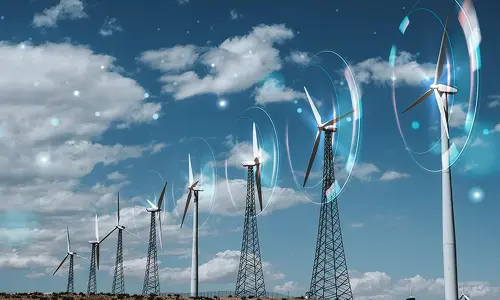
AI and IoT: Making infrastructure smart
Smart Grid Monitoring for Energy Distribution
The power grid is a complex system, and even a small issue can lead to a significant outag ,it's now about managing power efficiently, not just delivering it.
Real-Time Data
IoT sensors are placed at substations and important points. They collect data on voltage, current, and frequency.
Fault Detection
AI models process this data to find potential problems, like overloading or equipment failure, before an outage happens.
Load Management
AI predicts when demand will rise and adjusts the grid to distribute the load, keeping stability and cutting down energy waste.
IoT sensors are on every line, monitoring voltage. AI identifies excessive loads and balances them automatically. A substation operator, once mentioned, "Earlier, we dealt with blackouts for hours, but now they're fixed in just two minutes."
Gas Leak Detection in Industrial Plants
Safety is the top priority in industrial plants that use hazardous gases. One minor leak can impact human lives and quickly detecting a gas leak can save lives and protect property.
Network Sensors
We created a dense IoT sensor network that continuously monitors the levels of specific gases like methane and carbon monoxide to protect human health.
Immediate Alert
If the gas levels exceed safe limits, the system sends an audio and visual alert within seconds and notifies the necessary personnel.
Mapping and Tracking
On the dashboard, you can see the exact location of the leak and helps emergency response teams take quick action.
There is a serious danger if a gas leak occurs in a plant. Smart sensors can detect methane or CO2 in the air and are sensitive to 10 parts per million so that when an alert is triggered, the valves close automatically, and a siren sounds.
Detecting Water Pipeline Leaks with IoT
For water utility companies, water leaks mean losing money and wasting a valuable resource and finding leaks using traditional methods is slow and costly.
Acoustic Sensors
We install special IoT sensors along pipelines that listen for quiet sounds created by water leaks.
Location Accuracy
AI analyzes these acoustic patterns to find the exact location of the leak. This saves the trouble of digging up the entire city, allowing for repairs right where they’re needed.
Is the fruit about to spoil? Sensors detect humidity and gas levels. Our AI reviews historical data and warns, "This batch will spoil in 14 hours." It then automatically places an order with the supplier. A retail store chain owner joked, "Before, we used to go to the warehouse and count. Now, we learn everything over the phone."
Pressure Monitoring
Sensors also monitor sudden drops in water pressure, which can indicate a leak and if this happens, it sends an alert right away.
A water pipe burst can lead to millions in costs. Our sensors sit inside the pipe, monitoring vibrations and pressure. If a leak happens, GPS indicates the precise location. The AI compares the current pattern and alerts, "This is not normal, check 50 meters ahead." Savings Up to 30% of water.
Remote Monitoring of Solar Panels and Wind Turbines
As we know, most renewable energy plants are often situated in remote areas. It is crucial to keep these resources efficient and operating well.
Performance Data
IoT sensors collect information like power generation, vibration, temperature, and blade pitch from each panel or turbine.
AI-Based Efficiency
AI models examine this data and forecast when a turbine or panel might underperform. This approach shifts maintenance from being reactive to proactive.
Reduced Downtime
Remote monitoring lets you deal with small problems before they turn into big failures. This maximizes production time. You won’t have to worry about your plant because you can monitor it from anywhere in the world.
If dust covers a solar farm panel or if a turbine blade is cracked, these problems can be spotted from a distance. Drones capture images, and AI processes them. When performance declines, the system recommends a cleaning schedule. One solar plant owner mentioned, "Earlier, we used to send drone to check, but now we monitor it live on an app." Energy output increased by 18%.
Energy Consumption Analytics for Industrial Equipment
Where is energy going in your plant? A large amount of energy is often wasted in inefficient processes or old equipment that is not working properly.
Equipment-Level Tracking
We install IoT sensors on individual pumps, motors, and HVAC units.
Usage Patterns
AI studies data to understand when and how much energy equipment is using.
Recommendations
The system points out where equipment needs replacement or where you can save the most energy by changing operating hours.
Track how much power machines are consuming. Sensors are installed on motors, sending data to AI. If a motor is overloaded, a "switch off" message is displayed. Reports show graphs of monthly patterns. A steel mill owner laughed and said, "Earlier, we used to be shocked when we saw the bills, but now we reduce them in advance." Energy savings can reach up to 25%.
Unique Case Studies: Showcasing Our Success Stories
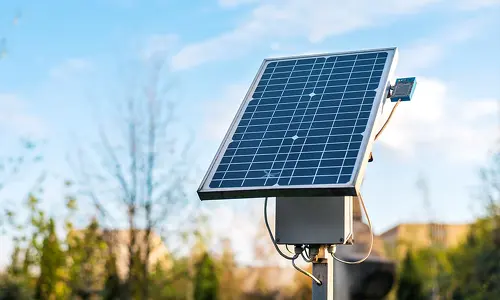
Special Case Study: Himachal's Tea Garden Energy Revolution
Challenge
In 2023, we focused on a small tea plantation in Himalayan called "Himalayan Tea Estate.", covers 150 acres and has 200 workers.
The issue was that the power lines were old and often broke down in the rain. Although solar panels were installed, the generators only turned on when it was cloudy, costing $8000 a month for diesel.
The water supply was also a problem, the pipeline took a hilly route, wasting 30% of the water due to leaks. Gas stoves boiled the tea, but there was concern about gas leaks.
We sent a team to investigate. We came up with an idea: IoT sensors on the solar panels and the tea leaves.
These small, biodegradable sensors would measure the humidity and temperature of the leaves, which could affect tea quality. We trained AI on Himalayan's weather patterns, including fog and snowfall.
We just set up a LoRa network on tall trees. The software could predict tea yield, saying, "This week, expect a 20% drop, save electricity."
We eliminated diesel use in six months. Electricity loss dropped from 12% to 2%. Water savings increased by 45%, and tea quality improved.
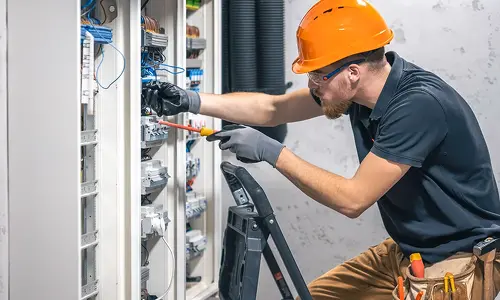
A Unique Case Study: "The Smart Cable Stress Predictor"
Challenge
A large power distribution company faced unexpected failures in its underground cables. These failures often happened at night, resulting in long repair times and losses worth millions of rupees. Traditional monitoring systems only looked at overloading or temperature. The company needed to understand the cables' conditions before they failed.
Adequate Infosoft's Unique Solution
We developed a solution that was not available online. We named it the "Underground Thermal-Stress Micro-Sensor Network."
Cable Sheath Micro-Sensors
We installed highly sensitive thermal and stress sensors directly on the sheath of the most vulnerable underground power cables. These sensors measure how the cables physically expand and contract due to daily loads and variations in soil temperature.
AI 'Cable Fatigue' Model
The AI model was trained to forecast how many stress cycles a cable could endure before failing. This model accurately estimated the cable's Remaining Useful Life based on specific soil moisture, load history, and cable strain data.
Auto-Reloading
If the AI detects that a specific cable segment is close to failing, the system automatically suggests or partially redirects the load from that segment to a nearby, less stressed one.
Results
A 60% reduction in unexpected outages, the company now knows which cable is likely to fail within the next 30 days.
Planned Maintenance
They could conduct repairs before peak hours, during daylight, and in controlled conditions, which reduced costs and risks.
Optimizing capital expenditure
They no longer replaced cables on impulse. Instead, they only replaced those identified by the AI as definitely failing.
Our solution stands out because it not only measures temperature but also uses AI and micro-sensors to understand the cable's internal physical stress history to predict failures.
Fully Customized Energy and Utilities Solutions
Every plant is different in size and needs. We customize our solutions to match your design. Need 25 reports? No problem. Integration with old systems? We can handle that. We provide 2 months of free updates to our clients.
Legacy System Integration
We make sure our IoT and AI solutions connect smoothly with your existing SCADA, GIS, or ERP systems.
Mobile App, Software, and Web App
Our apps are so simple that even field engineers can use them. Shake to check the status of the nearest sensor. The software includes dashboards and alerts.
The management team can see the analysis on the web. It works even when the battery is low and syncs later. A site engineer shared his experience, he monitors a solar plant on a mountain, viewing it in real time through an app, "I could get the work done while sitting at home and drinking coffee."