


 Mean Stack Development
 Vue JS Development
 Javascript Development
 React JS Development
 Angular JS Development
 Next JS development
 Java Development
 Python Development
 Django Development
 Cherrypy Development
 C# Development
 ASP.NET Development
 NodeJS Development
 Laravel Development
 CodeIgniter Development
 Zend Development
 Ruby on Rails Development
 CakePHP Development
 PHP Website Development
 Symfony Development
 Drupal Development
 Joomla Development
 Wordpress Development
 .NET Nuke Development
 Kentico
 Umbraco
 .NET MAUI Development
 Xamarin Application Development
 iOS Application Development
 Android Application Development
 Android Wear App Development
 Ionic Development
 iBeacon Application Development
 Universal Windows Platform (UWP)
 Kotlin Application Development
 Swift Application Development
 Flutter Application Development
 PWA Application Development
 Flutter Health Tech & Wearable App Development Company
 React Native Health Tech Wearable App Development
 Offshore Software Development
 Custom Application Development
 Front-End Development
 Full Stack Development
 AI & Machine Learning
 Custom CRM Solutions
 Flask Software Development
 Electron JS Development
 ChatGPT Development
 Telemedicine App Development
 Build Smart Telemedicine Platform
 Beauty & Salon App Solutions
 Hire Workato Experts
 Magento Development
 Magento 2.0 Development
 Magento Enterprise
 Shopping Cart Development
 Prestashop Development
 Shopify Development
 Open Cart Development
 WooCommerce Development
 BigCommerce Development
 NopCommerce Development
 Virto Commerce Development
 AspDotNetStorefront Development
 .NET Application Development
 Microsoft Dynamics CRM
 VB .NET Development
 Sharepoint Migration
 ASP.NET Core Development
 ASP.NET MVC Development
 AJAX Development
 Agile Development
 Microsoft Bot
 Microsoft Blazor
 Microsoft Azure Cognitive
 HTML 5
 UI/UX Design
 Graphic Design
 Adobe Photoshop
 XML Application Development
 Cloud Computing Solutions
 Azure Cloud App Development
 AWS Development
 Google Cloud Development
 Certified AWS IoT Services Developers
 DevOps Consulting & Development
 Kubernetes Consulting & Services
 SQL Programming Development
 MySQL Development
 MongoDB Development
 Big Data
 Robotic Process Automation
 Social Media Marketing
 Search Engine Optimization
 QA Testing
 Software Testing
 Software Security
 Maintenance And Support
 I.T. Consulting Services
 Business Intelligence
 YII Development
 Data Analysis
 Alexa Skills Development
 On Demand App for Mobile repairing services
 On Demand App for Car Service Booking
 On Demand App for Cleaning Services
 On Demand App for Pharmacy
 On Demand Dedicated Developers
 On Demand Lawyer App Development











 Nuki Smart Lock
 Salto Smart Lock
 TTlock Smart Lock
 NFC App Development
 Custom IOT Enabled Smart Lock
 Smart Locker Solutions
 Hospital Smart Lock Systems
 Hotel Smart Lock Systems
 Smart Home & Office Locks
 Smart Access for Schools & Colleges
 Unloc Smart Lock Integration
 Yale & August Smart Lock Integration
 Populife Smart Lock Integration
 Smart Lock Hardware Development
 Dairy IoT Solutions
 Agri IoT & AI Solutions
 Weather & Climate Solutions
 Water & Waste Management Solutions
 RaspBerry Pi
 Firmware Software Development
 ESP 32 Software Development
 Embedded Development
 Internet of Things
 Smart IoT Development
 IoT Sensor Integration & Development Solutions
 Smart IoT System Development for HVAC
 Tuya IoT App Development
 Particle IoT SDK
 IoT Development with AI
 Smart Pet GPS Tracker
 Dairy GPS Tracking Solutions
 GPS Fleet Management Software
 Car Rental & Subscription Solutions
 Car Buy & Sell Marketplace Development
 AI-Powered Car Wash App Development
 PCB Design & Fabrication
 IoT AC Automation
 AI–IoT Painting Solutions
 IoT Wearable Hardware & App Development
 HVAC Automation & AI Control Systems
 Smart Home IoT Engineering
 AI Embedded Systems
 AI Hardware Design Service
 Advanced IoT Hardware & Firmware Development
 Device Driver Development Services
 NXP i.MX RT Firmware & Hardware Services
 Microchip PIC & AVR Development
 Hire IoT Architects
 IoT Cloud & Infrastructure Solutions
 Infineon XMC / AURIX Development Services
 Matter & Thread IoT Services
 Native IoT Mobile App Development (BLE & Wi-Fi)
 Snapdragon IoT Firmware Development
 Renesas RA/RX Firmware Services
 Silicon Labs EFR32 Development Services
 Smart Wearable App Development
 Smart IoT Meters
 Smart Healthcare Wearable App Development
 Health Care Monitoring System
 Fitness Tracking App Development
 Smart Home Automation Apps
 nRF PCB Design
 ESP32 PCB Design
 Embedded Wearables Engineers
 Rental Property Management System
 Building Management System
 Smart Lighting Development
 Infineon Semiconductor Firmware Development Services
 Custom Camera Development: Hardware, Firmware & PCB Prototyping
 Smart Security Camera SDK
 Nordic Semiconductor SDK
 Infineon SDK
 Arduino SDK
 NFC Lock Integration
 Kerong Lock Integration
 IoT & AI Solutions for Manufacturing
 Smart Inventory & Logistics Solution
 Food & Beverage Industry Solutions
 Smart Hospitality Solutions
 Smart Property Management
 Custom Smart Home IOT SDK
 Smart IoT & AI in Healthcare
 AI-Powered Security Solutions
 Smart Home Safety & AI
 Veterinary Clinic Management (AI)
 Pet Care System (AI & IoT)
 Pet Training & Adoption (AI)
 Healthcare IoT Development
 Event Management Software
 Money Remittance App
 Money Lending App Development
 Utility and Bill Payment App
 IoT Mobile App Development (Flutter & React Native)
 AI & IoT Retail Solutions
 Smart EV App Development
 Smart Solar IoT & AI Solutions
 IoT-Based Energy Systems
 Smart Energy & Utilities Solutions
 6G Solutions
 IoT Security Solutions
 AI-Powered Lottery App Development
 AI-Sports Fitness Club Management
 Travel
 Real Estate
 Medical & Healthcare
 e-Learning
 Consumer Products
 Finance
 Automobile
 Media & Entertainment
 Billing Software
 Enterprise Resource Planning (ERP)
 Augumented & Virtual Reality
 Point of Sale(POS) Development
 Learning Management System
 EV Charging Solutions
 About Us
 Partners & Certifications
 Quality Assurance
 Our Clients & Testimonials
 Development Process
 Our Products
 Social Responsibility
 Work Ethics
 Vision & Mission
 Awards
 Live Project Demos
 Contact Us
 Case Studies
 Portfolio
 Blog
Custom Bootloader & Secure OTA Firmware Development Services
In order to stay reliable, competitive, and safe from new threats, connected gadgets must receive reliable firmware updates.
Adequate Infosoft offers customized bootloader and OTA firmware development services for IoT devices and embedded systems.
Our solutions allow businesses to remotely install firmware upgrades, repair defects, add new features and lower the cost of maintenance trips and product recalls.
A bootloader manages firmware verification, application startup, installation, and recovery when updates fail. We design secure update mechanisms that protect devices against malicious firmware, interrupted downloads, and unexpected power loss.
Our services support smart locks, medical wearables, industrial sensors, EV chargers, gateways, and consumer appliances across STM32, Nordic nRF52/nRF53/nRF54, ESP32, NXP i.MX RT, Silicon Labs, Renesas, Infineon, TI, and ARM Cortex-M platforms.
Let's Work Together!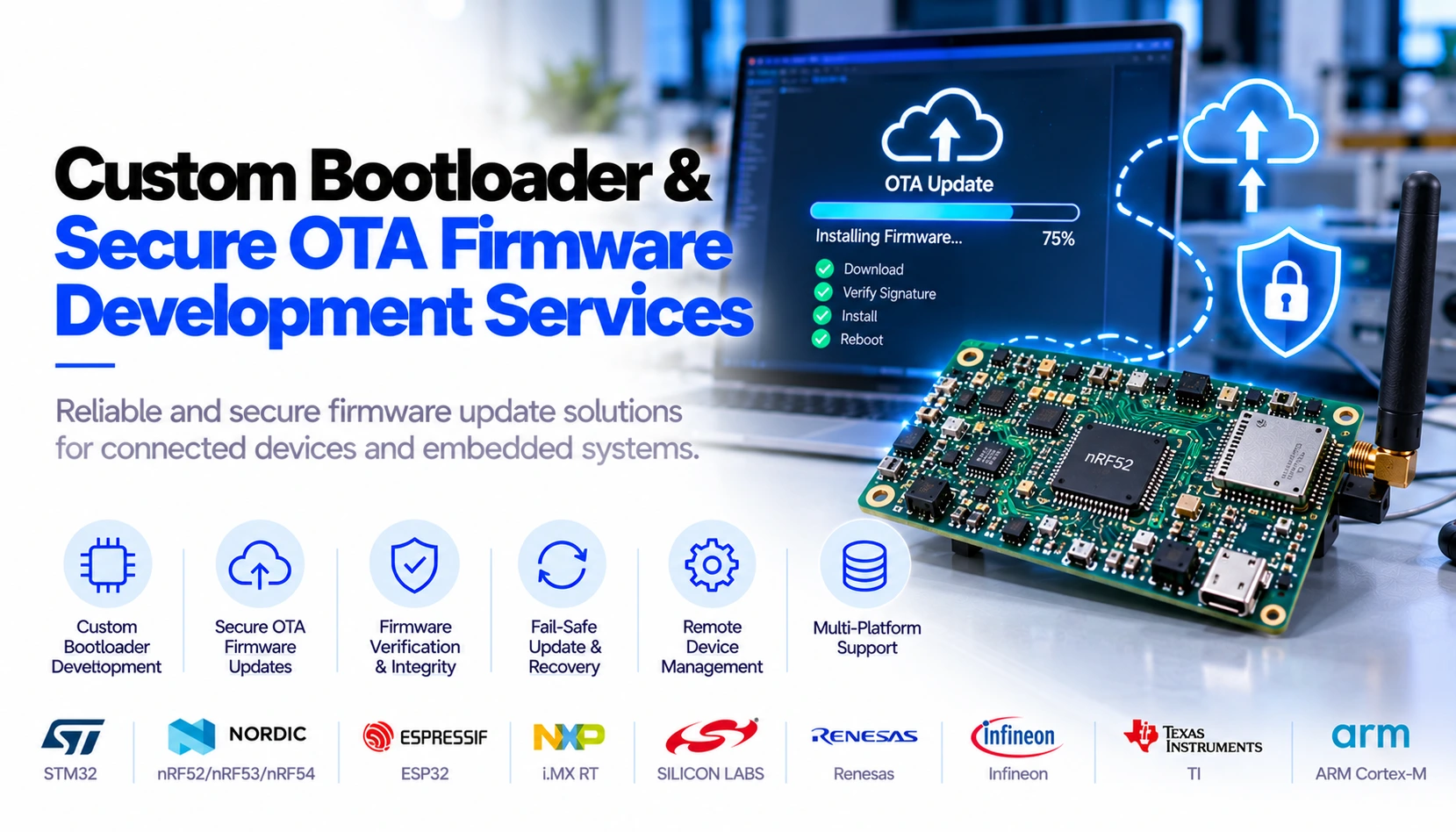
Why Secure OTA Firmware Updates Matter
Firmware updating has become a standard component in any product. A viable OTA solution gives manufacturers the flexibility to react fast to unforeseen events after the product has been deployed, such as security issues, problems with reliability, incompatibility with wireless standards, or customer requests.
When updates are impossible, the available solutions count on USB programming, technician assistance, SD cards, device exchange, among others. This is a cumbersome process and increases the difficulty of managing hundreds or thousands of devices.
A good secure OTA firmware update solution allows product teams to:
Implement bug fixes and deliver performance improvements remotely Remediate security flaws before being exploited Deploy new functions without redesigning the hardware Handle different hardware and firmware versions Lower the cost of field-service operations and device downtime Keep an update history available for auditing purposes Recover from unsuccessful or interrupted updates
For devices sensitive to security issues, the firmware update method can be a weak point, leading to hacker attacks. Consequently, the focus of our technology is on firmware authenticity, integrity; and confidentiality when this is warranted.
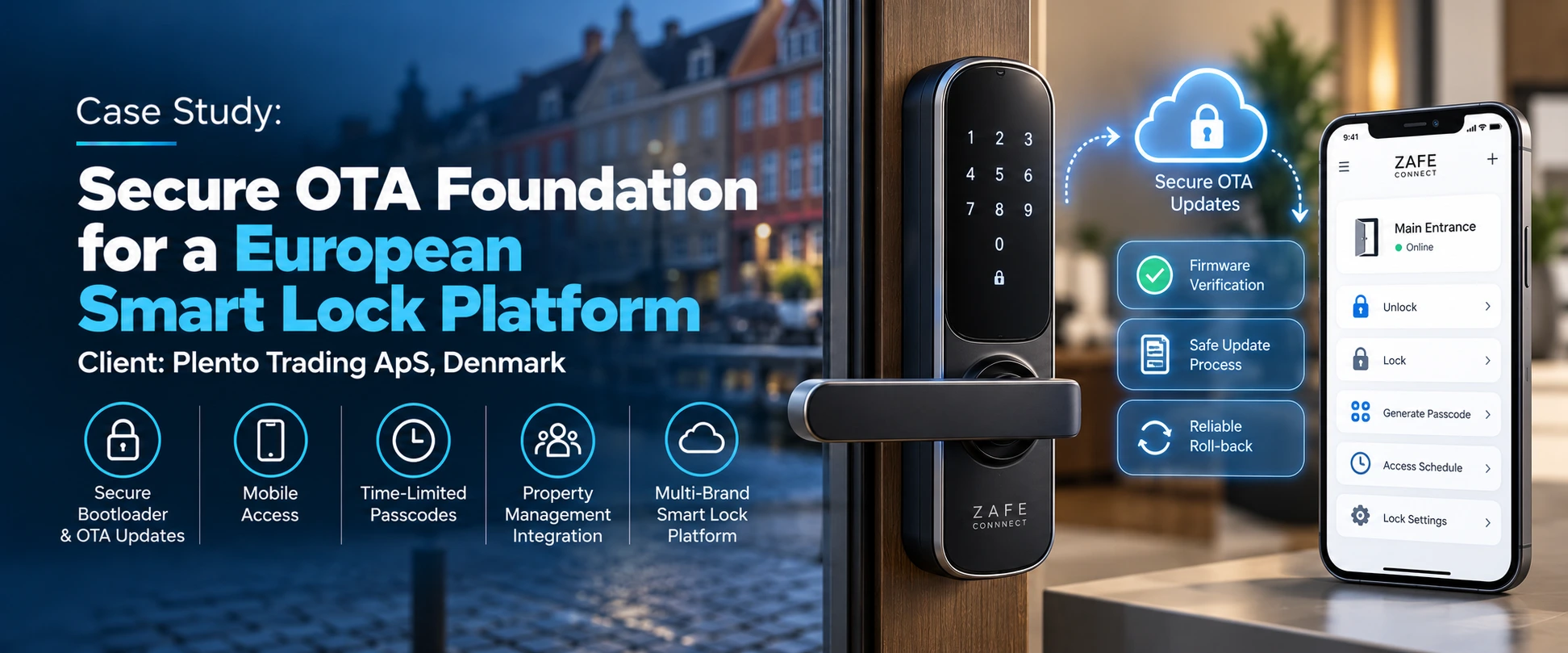
Case Study: Secure OTA Foundation for a European Smart Lock Platform
Client and Platform Context
Client: Plento Trading ApS, Denmark
Product: Zafe Connect Multi-Brand Smart Lock Platform
Adequate Infosoft delivered embedded and connected-product engineering for Plento Trading ApS, a Denmark-based smart security company operating through its Zafe Connect platform. The product ecosystem required reliable management of smart locks across property-management environments where access, security, device availability, and remote operations directly affect guests and building operators.
The platform was supposed to accommodate multiple smart-lock processes that included mobile access, time-sensitive passcodes, remote locking, access automation due to reservation-making, and alarm integrated process.
Secure Bootloader and OTA-Ready Firmware
When the various installations across Europe took place, it was time to approach firmware life cycle planning. A lock device cannot simply cease functioning because of the updates, and the way updates are handled might lead to the risk of physical security.
Our engineering approach incorporated a secure bootloader and OTA-ready firmware architecture for supported lock hardware. The bootloader was responsible for validating firmware integrity before handover to the primary application.
Firmware images were prepared with version metadata, checksum validation, and cryptographic verification requirements so the device could reject corrupted or unauthorized update packages.
The architecture also considered the practical constraints of battery-powered connected locks. Firmware transfer must be efficient, resilient to intermittent connectivity, and designed around safe reboot behaviour.
In designing the update process, we ensured that a partial package cannot overwrite the version of the application operating at that time. The lock should hold the last working version of the firmware till it receives and authenticates the new version completely.
Platform Outcome and Scale
The bigger Zafe Connect platform included mobile applications, cloud connectivity services, integrations with smart locks, booking flows, and Ajax alarms. This allowed property managers to manage access to properties through one system instead of using separate systems and distributing physical keys.
The public project outcome demonstrates the scale required from the platform: Zafe Connect manages more than 25,000 smart locks for over 1,500 active property managers across Denmark, Germany, and France. The platform also reduced check-in time by 90 percent by replacing many physical handovers with digital access workflows.
The project demonstrates the discipline involved in the secure development of over-the-air firmware. Rather than considering the bootloader in isolation, it is seen as part of a complete product lifecycle that includes secure firmware release, compatibility verification, recovery strategies, cloud connectivity, mobile integration, product monitoring, and ongoing product support.
Relevant Delivered Projects That Strengthen Our OTA and Bootloader Expertise
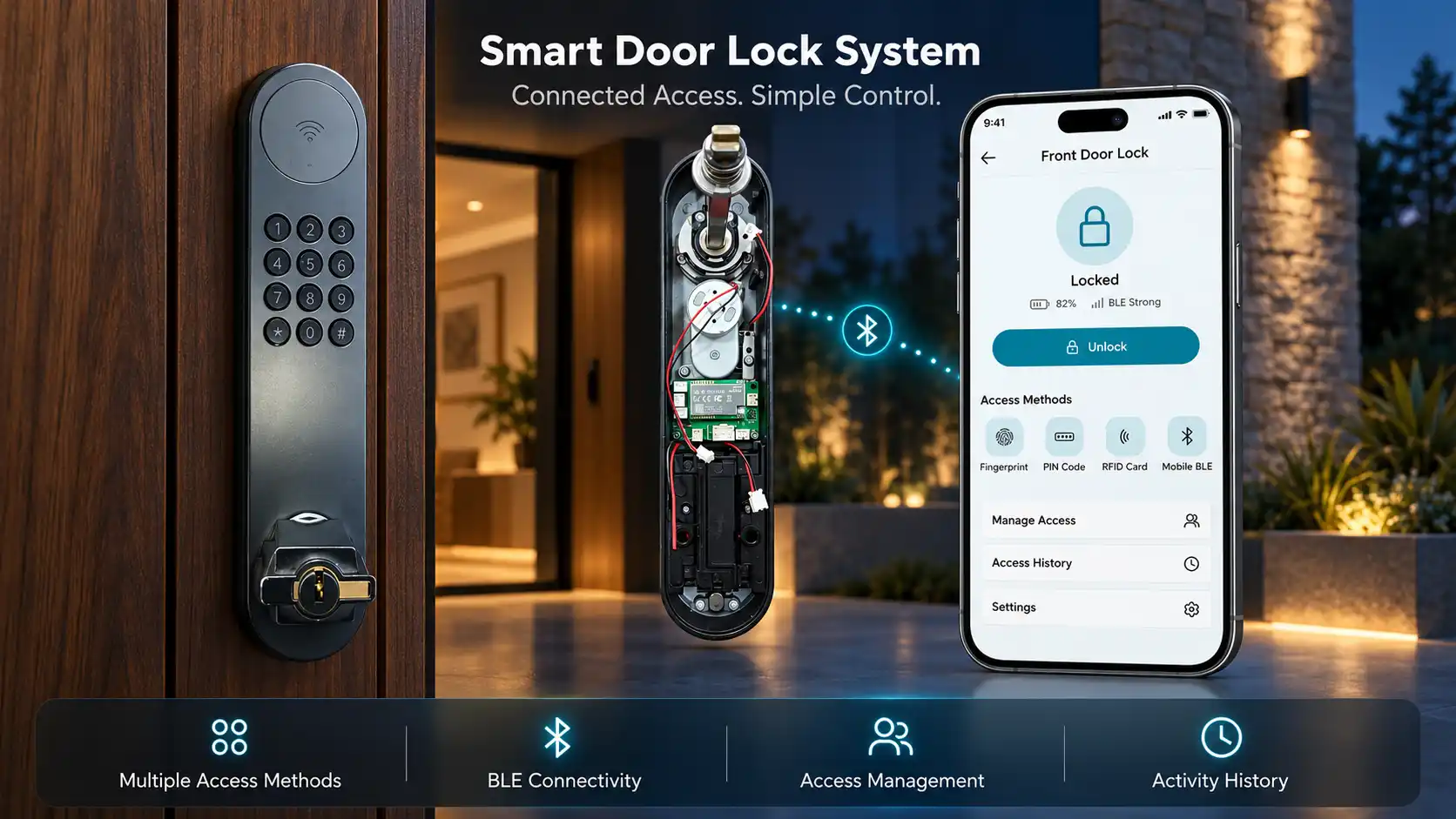
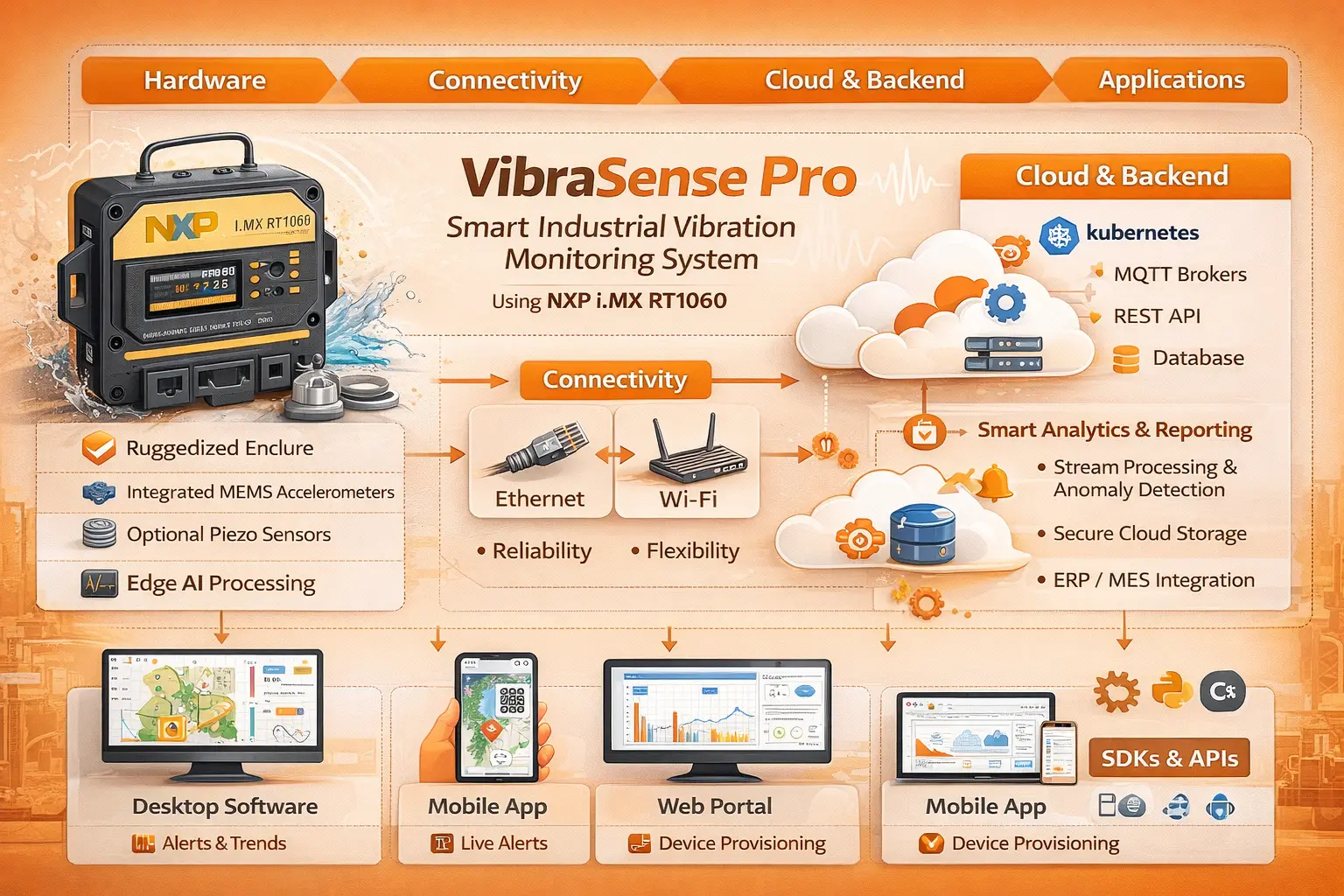
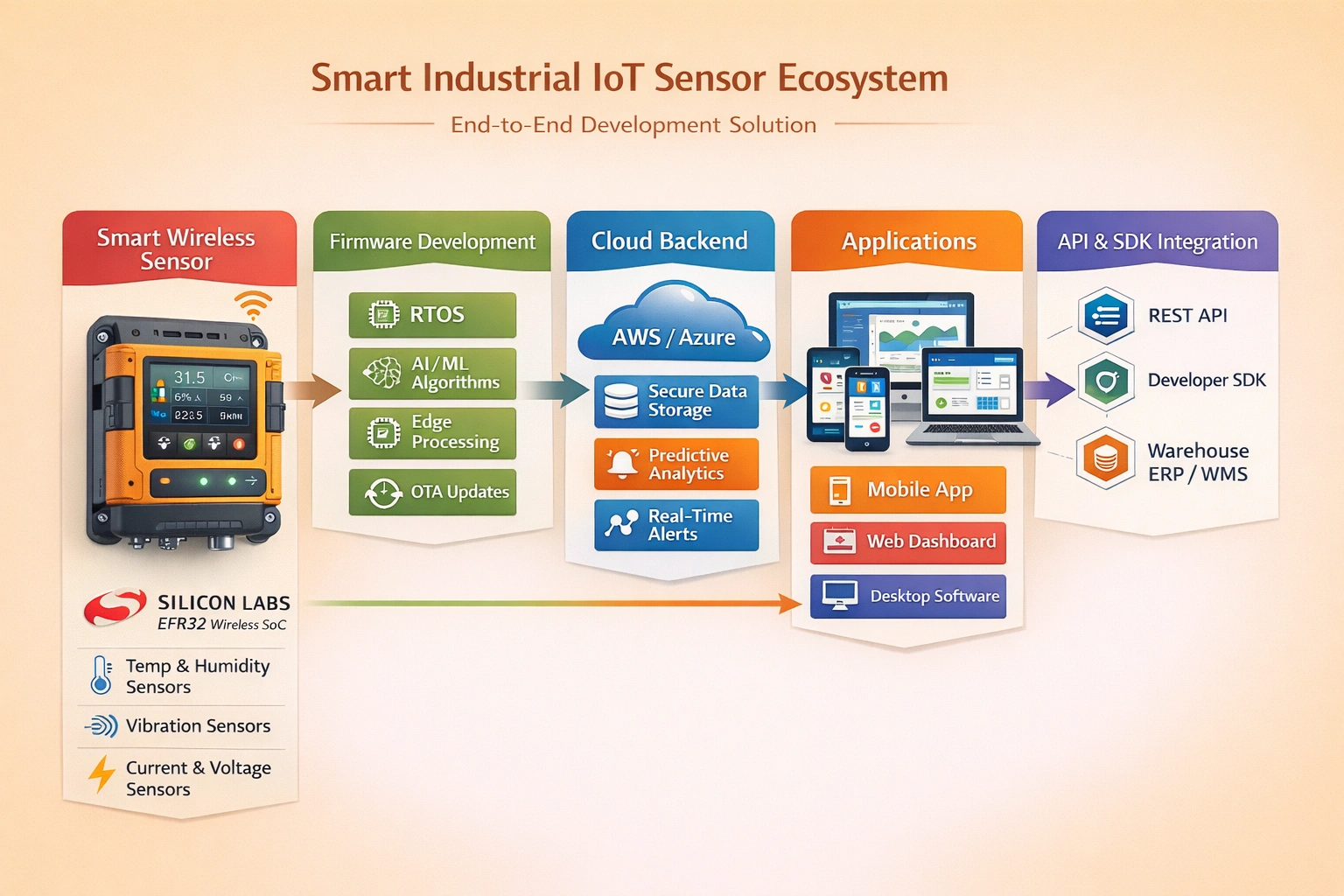
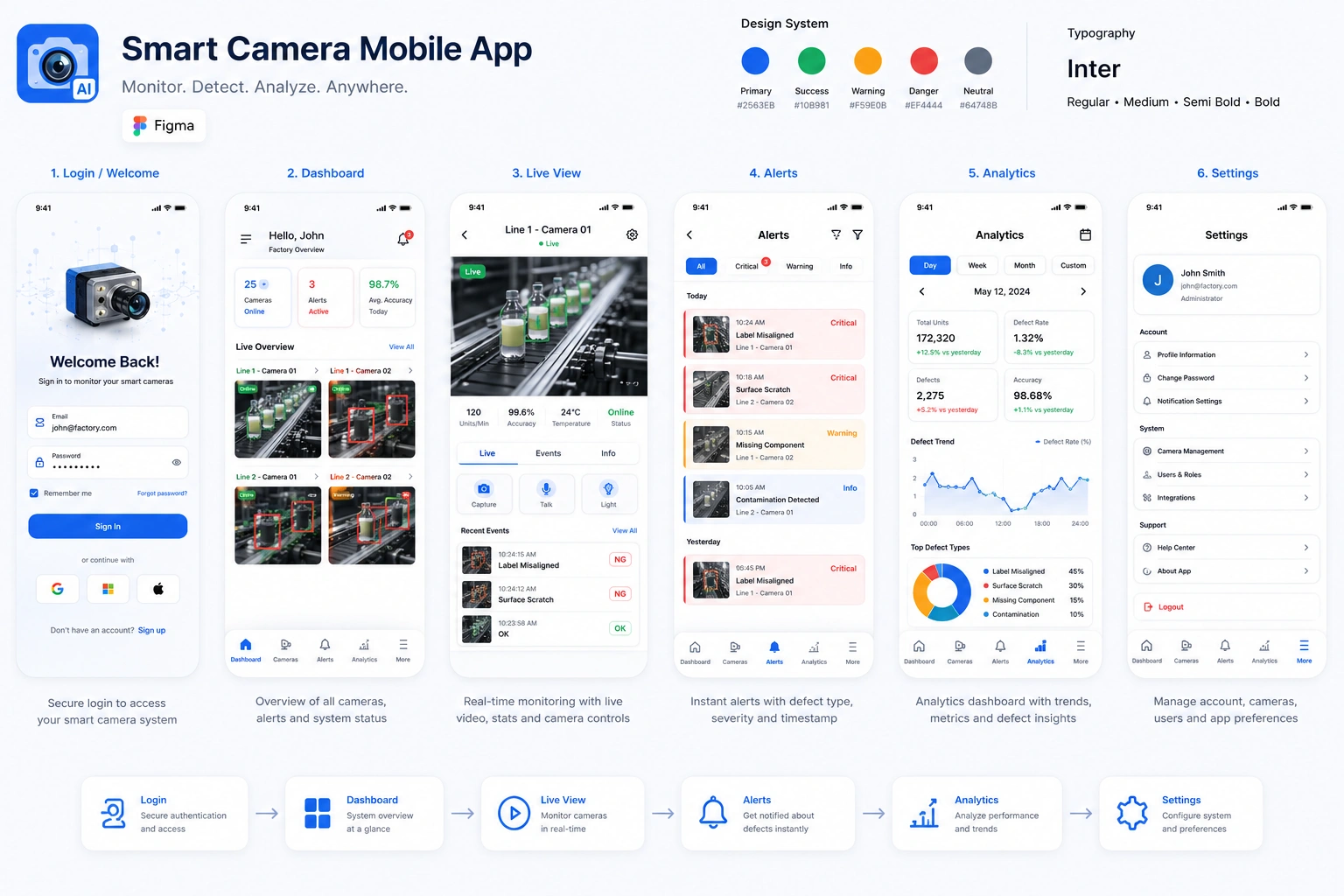
Our team has delivered connected products where firmware security, remote management, reliable device operation, and production-readiness are practical requirements rather than theoretical features.
Our Custom Bootloader Development Services
Each type of embedded device requires its own level of memory, connectivity, power, compliance, and security. While generic bootloaders can be used successfully for proof of concept, devices that are ready for production usually require a bootloader unique to the product.
We create lightweight bootloaders customized for each device's flash structure and operation. Depending on the product in question, the bootloader can allow wired update methods over USB, UART, CAN, RS-485, Ethernet, SWD recovery or wireless methods using BLE, Wi-Fi, cellular networks, Thread, Zigbee, LoRaWAN or any proprietary radio protocol.
Secure Boot and Firmware Authentication
The process of validating whether the firmware is legitimate is secure boot. The secure boot process is accomplished using various encryption techniques like ECDSA, RSA, and SHA-256 for verification of image integrity.
It is the bootloader that authenticates the firmware image by using a public key kept in secure memory. Only the firmware that production companies have signed with the recognized private signing key will run on the device, thus ensuring that unrecognized or tampered firmware cannot be installed on the device, no matter how much the hacker tries to access the update channel.
Where the MCU supports it, we use hardware-backed security features including secure key storage, readout protection, TrustZone, one-time programmable memory, secure debug configuration, and hardware cryptographic acceleration.
A/B Firmware Images and Safe Rollback
An OTA update must not make a device unusable if the battery dies, network disconnects, or power is removed during installation. To address this, we can implement dual-bank or A/B firmware architecture.
The operational firmware runs from one memory area while a newer version of the firmware is being loaded into another memory area.
The bootloader checks the new firmware for validity and after having successfully rebooted, it waits for the health status to be confirmed. If the new firmware fails boot or self-tests, the system resets back to the last known working firmware version.
For smaller MCUs with limited flash memory, we can design swap-based update mechanisms using external flash, staging areas, compression, delta updates, or carefully managed single-bank recovery flows.
Firmware Encryption and Anti-Rollback Protection
Digital signatures serve to account for the individual responsible for the creation of firmware as well as the ability to ascertain its integrity.
In the case of devices whose firmware is protected by IP, safety, and security rules, it is possible to design firmware images encrypted with AES technologies, as well as to use key management solutions in the process of manufacturing and provisioning.
In addition, our solutions are provided with anti-rollback features that inhibit an attacker from reloading an older firmware version that contains a known vulnerability.
Secure OTA Firmware Architecture
A complete OTA solution includes more than device code. It requires a reliable relationship between the embedded device, cloud platform, mobile app or gateway, and operations team.
Our OTA firmware architecture typically includes:
Bootloader with secure boot and image validation Main application firmware with OTA client logic Firmware packaging and signing process Release versioning and hardware compatibility rules Cloud storage for firmware images and metadata Secure API or MQTT-based update notifications Download resume support for unstable networks Device-side progress reporting and error logs Fleet dashboards for rollout monitoring Staged deployment, rollback, and release control
For instance, one may first deploy an update to a new version to an internal device, later to five percent of the production devices, and ultimately to the entire fleet once performance checks are successful. This strategy minimizes consequences on operations while giving greater insight to the team before widespread rollout.
The approach helps integrate Over-The-Air (OTA) workflows with numerous robust platforms such as AWS IoT Core, Azure IoT Hub, Firebase, third-party .NET/Node.js backends, MQTT brokers, REST APIs, and mobile apps. The innovation is anchored on existing connectivity capabilities, enabling the devices to pick their preferred cloud.
Development Process for Reliable Firmware Updates
The very first thing in our development process is to do the architecture review of all essential MCU components, present firmware, connection mechanisms, power requirements, fleet size, and security requirements.
In terms of flash partitioning, application slots, firmware signature, rollback flags, and recovery mechanisms are defined to deal with failed operations like power loss, corrupted downloads, disconnected gateways, or inappropriate hardware.
The engineers develop the bootloader, OTA update programs, firmware signing procedures, and the system for release management from the cloud.
Testing procedures will include cases with connection problems, forced resets, low battery conditions, wrong signing, corrupted firmware images, and rollback procedures.
Before production, we support factory programming, key provisioning, device registration, firmware version tracking, and technical documentation for manufacturing and support teams.
Build a Firmware Update System That Protects Your Product
An OTA firmware system that is secure should be designed early in the product development process — rather than being tacked on as an afterthought after deployment of devices. This architecture potentially minimizes long-term support costs, leads to improved security response times, and gives your product team the confidence to steadily enhance devices in their life span.
Adequate Infosoft helps them design custom bootloaders, secure firmware update workflows, OTA cloud integration, firmware signing pipelines, device recovery mechanisms, and scalable fleet-management capabilities.
Whether you are building a new IoT product or improving an existing embedded device, our team can create a secure, maintainable firmware update foundation for production deployment.