

 Mean Stack Development
 Vue JS Development
 Javascript Development
 React JS Development
 Angular JS Development
 Next JS development
 Java Development
 Python Development
 Django Development
 Cherrypy Development
 C# Development
 ASP.NET Development
 NodeJS Development
 Laravel Development
 CodeIgniter Development
 Zend Development
 Ruby on Rails Development
 CakePHP Development
 PHP Website Development
 Symfony Development
 Drupal Development
 Joomla Development
 Wordpress Development
 .NET Nuke Development
 Kentico
 Umbraco
 .NET MAUI Development
 Xamarin Application Development
 iOS Application Development
 Android Application Development
 Android Wear App Development
 Ionic Development
 iBeacon Application Development
 Universal Windows Platform (UWP)
 Kotlin Application Development
 Swift Application Development
 Flutter Application Development
 PWA Application Development
 Flutter Health Tech & Wearable App Development Company
 React Native Health Tech Wearable App Development
 Offshore Software Development
 Custom Application Development
 Front-End Development
 Full Stack Development
 AI & Machine Learning
 Custom CRM Solutions
 Flask Software Development
 Electron JS Development
 ChatGPT Development
 Veterinary Telemedicine App Development
 Build Smart Telemedicine Platform
 Beauty & Salon App Solutions
 Hire Workato Experts
 Magento Development
 Magento 2.0 Development
 Magento Enterprise
 Shopping Cart Development
 Prestashop Development
 Shopify Development
 Open Cart Development
 WooCommerce Development
 BigCommerce Development
 NopCommerce Development
 Virto Commerce Development
 AspDotNetStorefront Development
 .NET Application Development
 Microsoft Dynamics CRM
 VB .NET Development
 Sharepoint Migration
 ASP.NET Core Development
 ASP.NET MVC Development
 AJAX Development
 Agile Development
 Microsoft Bot
 Microsoft Blazor
 Microsoft Azure Cognitive
 HTML 5
 UI/UX Design
 Graphic Design
 Adobe Photoshop
 XML Application Development
 Cloud Computing Solutions
 Azure Cloud App Development
 AWS Development
 Google Cloud Development
 Certified AWS IoT Services Developers
 DevOps Consulting & Development
 Kubernetes Consulting & Services
 SQL Programming Development
 MySQL Development
 MongoDB Development
 Big Data
 Robotic Process Automation
 Social Media Marketing
 Search Engine Optimization
 QA Testing
 Software Testing
 Software Security
 Maintenance And Support
 I.T. Consulting Services
 Business Intelligence
 YII Development
 Data Analysis
 Alexa Skills Development
 On Demand App for Mobile repairing services
 On Demand App for Car Service Booking
 On Demand App for Cleaning Services
 On Demand App for Pharmacy
 On Demand Dedicated Developers
 On Demand Lawyer App Development






 Nuki Smart Lock
 Salto Smart Lock
 TTlock Smart Lock
 NFC App Development
 Custom IOT Enabled Smart Lock
 Smart Locker Solutions
 Hospital Smart Lock Systems
 Hotel Smart Lock Systems
 Smart Home & Office Locks
 Smart Access for Schools & Colleges
 Unloc Smart Lock Integration
 Yale & August Smart Lock Integration
 Populife Smart Lock Integration
 Smart Lock Hardware Development
 Dairy IoT Solutions
 Agri IoT & AI Solutions
 Weather & Climate Solutions
 Water & Waste Management Solutions
 RaspBerry Pi
 Firmware Software Development
 ESP 32 Software Development
 Embedded Development
 Internet of Things
 Smart IoT Development
 IoT Sensor Integration & Development Solutions
 Smart IoT System Development for HVAC
 Tuya IoT App Development
 Particle IoT SDK
 IoT Development with AI
 Smart Pet GPS Tracker
 Dairy GPS Tracking Solutions
 GPS Fleet Management Software
 Car Rental & Subscription Solutions
 Car Buy & Sell Marketplace Development
 AI-Powered Car Wash App Development
 PCB Design & Fabrication
 IoT AC Automation
 AI–IoT Painting Solutions
 IoT Wearable Hardware & App Development
 HVAC Automation & AI Control Systems
 Smart Home IoT Engineering
 AI Embedded Systems
 AI Hardware Design Service
 Advanced IoT Hardware & Firmware Development
 Device Driver Development Services
 NXP i.MX RT Firmware & Hardware Services
 Microchip PIC & AVR Development
 Hire IoT Architects
 IoT Cloud & Infrastructure Solutions
 Infineon XMC / AURIX Development Services
 Matter & Thread IoT Services
 Native IoT Mobile App Development (BLE & Wi-Fi)
 Snapdragon IoT Firmware Development
 Renesas RA/RX Firmware Services
 Silicon Labs EFR32 Development Services
 Smart Wearable App Development
 Smart IoT Meters
 Smart Healthcare Wearable App Development
 Health Care Monitoring System
 Fitness Tracking App Development
 Smart Home Automation Apps
 nRF PCB Design
 ESP32 PCB Design
 Embedded Wearables Engineers
 Rental Property Management System
 Building Management System
 Smart Lighting Development
 Infineon Semiconductor Firmware Development Services
 Custom Camera Development: Hardware, Firmware & PCB Prototyping
 Smart Security Camera SDK
 Nordic Semiconductor SDK
 Infineon SDK
 Arduino SDK
 NFC Lock Integration
 Kerong Lock Integration
 IoT & AI Solutions for Manufacturing
 Smart Inventory & Logistics Solution
 Food & Beverage Industry Solutions
 Smart Hospitality Solutions
 Smart Property Management
 Custom Smart Home IOT SDK
 Smart IoT & AI in Healthcare
 AI-Powered Security Solutions
 Smart Home Safety & AI
 Veterinary Clinic Management (AI)
 Pet Care System (AI & IoT)
 Pet Training & Adoption (AI)
 Healthcare IoT Development
 Event Management Software
 Money Remittance App
 Money Lending App Development
 Utility and Bill Payment App
 IoT Mobile App Development (Flutter & React Native)
 AI & IoT Retail Solutions
 Smart EV App Development
 Smart Solar IoT & AI Solutions
 IoT-Based Energy Systems
 Smart Energy & Utilities Solutions
 6G Solutions
 IoT Security Solutions
 AI-Powered Lottery App Development
 AI-Sports Fitness Club Management
 Travel
 Real Estate
 Medical & Healthcare
 e-Learning
 Consumer Products
 Finance
 Automobile
 Media & Entertainment
 Billing Software
 Enterprise Resource Planning (ERP)
 Augumented & Virtual Reality
 Point of Sale(POS) Development
 Learning Management System
 EV Charging Solutions
 About Us
 Partners & Certifications
 Quality Assurance
 Our Clients & Testimonials
 Development Process
 Our Products
 Social Responsibility
 Work Ethics
 Vision & Mission
 Awards
 Live Project Demos
 Contact Us
 Case Studies
 Portfolio
 Blog
IoT Device Management Platform Development Services
Adequate Infosoft provides customized IoT device management solutions for businesses that manufacture, distribute, and operate the devices.
These systems will allow you to register devices, provision security certificates, check their connectivity status, update the firmware, configure the settings, troubleshoot problems, and control the entire life cycle of an IoT device from its production to retirement.
We can develop our solution on all of the following aspects: embedded firmware development, device provisioning, cloud infrastructure, device registries, communications security, OTA management, device health monitoring, administrative console, mobile app, and third-party integration.
Here IoT fleet management refers to the management of fleets of connected devices like industrial gateways, sensors, cameras, wearables, household appliances, robots, healthcare devices, energy controllers, monitoring devices, and others. The term does not refer to vehicle fleet management.
Let's Work Together!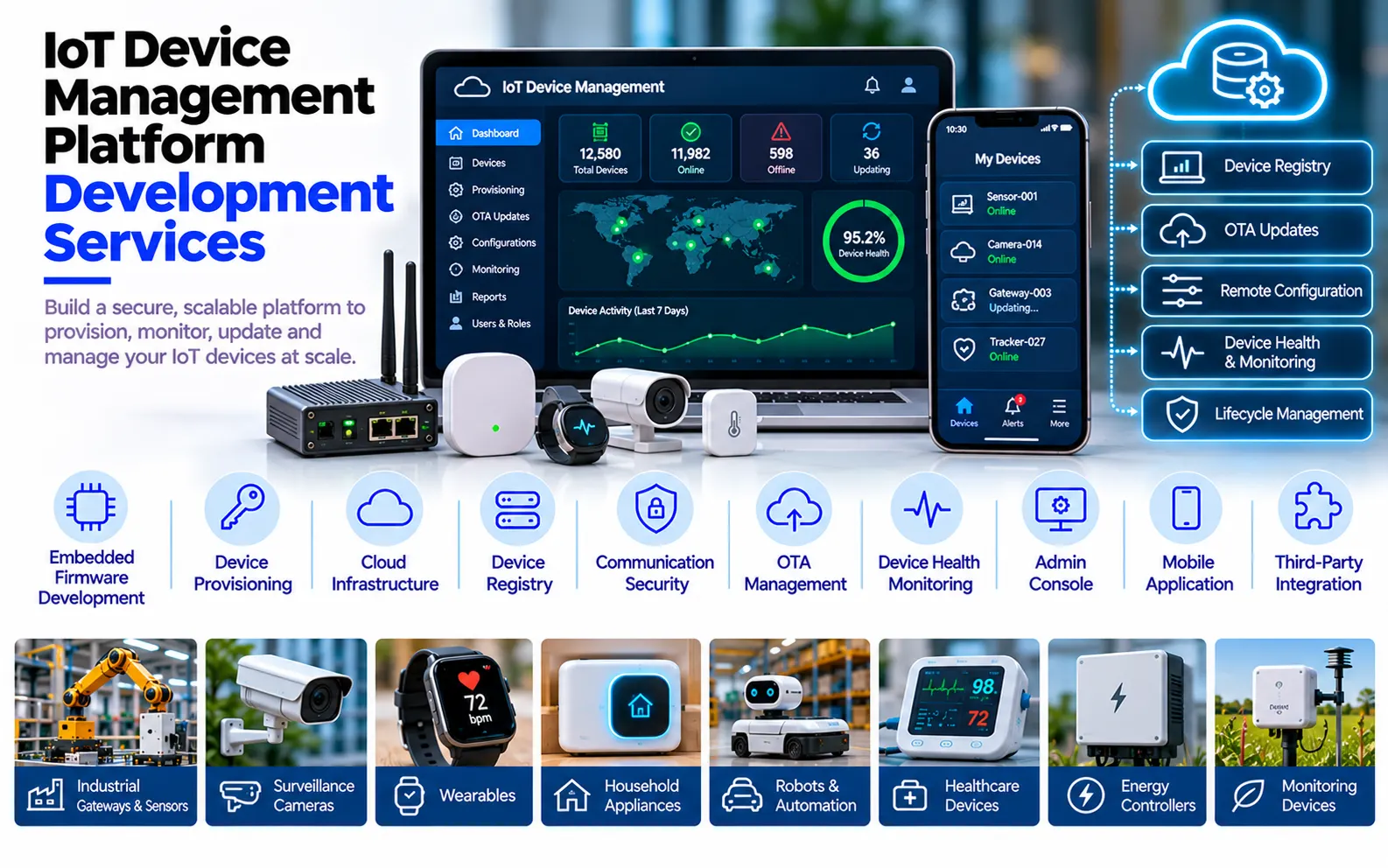
Custom IoT Device Management Platform Development
In the very beginning, managing a connected device may seem to be simple enough as long as a small quantity of prototypes is used in a laboratory environment.
However, the circumstances change radically when thousands of devices are functioning simultaneously in different locations be it a customer's premises, factory, construction site, farm, hospital, or a remote area.
The operations team must find answers to the following questions:
Where can a device be found? Which device belongs to which customer, site or account? Whether a device is on, off, or has an issue? What is the hardware-level version of this device? What is the firmware version of this device? What settings were applied to a device configuration? Was there a successful, failed, or rolled back OTA-update of the device? Is there a problem causing the device to have insufficient battery, sensor failure, or communication break? When was the device on? Should the device be put on hold, moved, reset, or retired?
With our Knowledge, we provide the platforms that can answer those questions and provide controlled means of managing connected devices.
Case Study: Cloud Device Management for an Industrial AI Camera Fleet
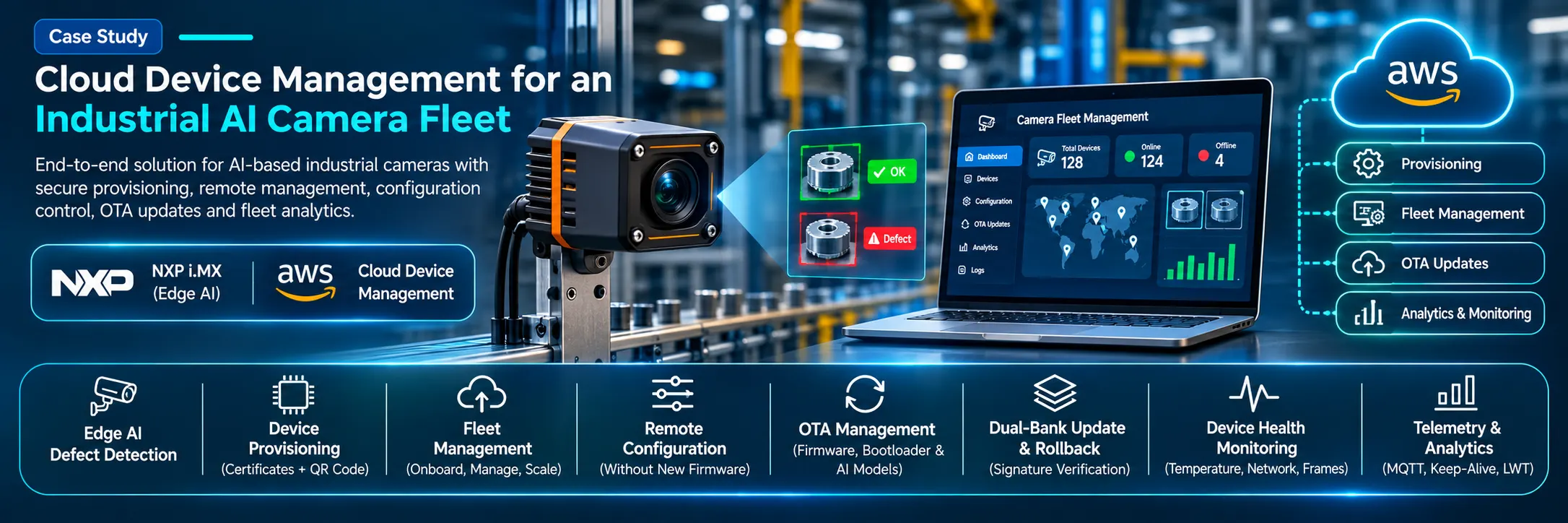
Cloud Device Management for an Industrial AI Camera Fleet
North American manufacturer of industrial automation products needed a special smart camera setup to be integrated into their production line. Besides the edge-based defect detection system, the customer needed a convenient solution for onboarding, managing, configuring, and updating all the devices from the camera fleet after installing them at manufacturing plants.
Adequate Infosoft delivered the product from hardware to PCB design, embedded firmware, edge AI, cloud infrastructure, and factory deployment.
Edge device was based on NXP i.MX processors with edge AI accelerator. The firmware performed image capturing, lighting management, defects processing, PLC communication, telemetry, diagnostics of networking, temperature management, dropped frame detection, and remote updates of devices.
For device provisioning, fleet management, analytics, remote monitoring, configuration control, and OTA campaigns, we have created a residential cloud platform based on AWS.
The onboarding process involved the incorporation of the certificate-supported device identity and QR code based provisioning. This allowed a physical camera to be related to its respective customer, factory, assembly line and records.
Once connected, every camera sends telemetry and health data via MQTT in regular intervals. Also, the keep-alive and last-will mechanism also helps to figure out when a camera has gone offline. The device health layer monitors the parameters including temperature, network status and frame processing.
The ability to remotely configure meant that operational parameters could be updated without having to create a new firmware package. Changes to configuration parameters would be logged for later analysis to determine when the change occurred and by whom.
OTA Management provided support for firmware, bootloader, and edge AI model packages. Rather than having to push a new package to every device, the platform would allow for a phased rollout of the package. The package could be first targeted to a smaller group of devices, expanded once it was verified, and halted if there was unusual behavior.
The update mechanism had been designed to use dual-bank memory and signature verification, allowing rollback if required. New image updates would first be verified and then activated. If the device failed to function correctly after the update, it could revert to the older version.
The project shows how important it is to design device management in both the cloud and embedded parts of the system. Provisioning requires knowing the identity of the device and the production processes it goes through.
Remote configuration relies on firmware availability and status synchronization of devices. OTA safety involves bootloader, storage architecture, package signing and recovery behavior. Health monitoring is based on meaningful diagnostic data generated by the device.
Because we treated all these components as a single unit, we realized an infrastructure that supported the cameras not only during deployment but also in future activities, not limited to their first use.
Related Device Management Projects We Have Delivered
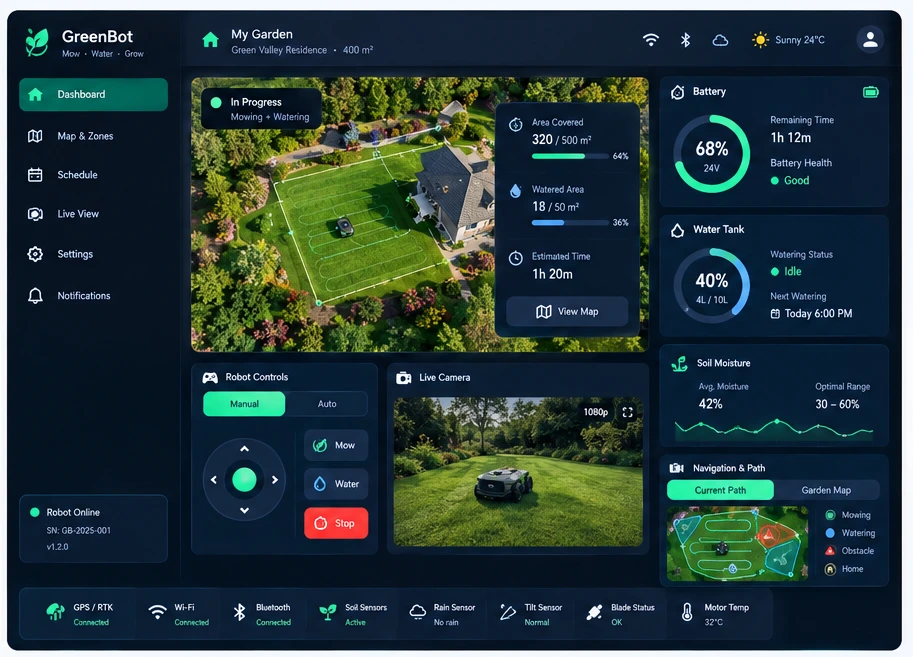
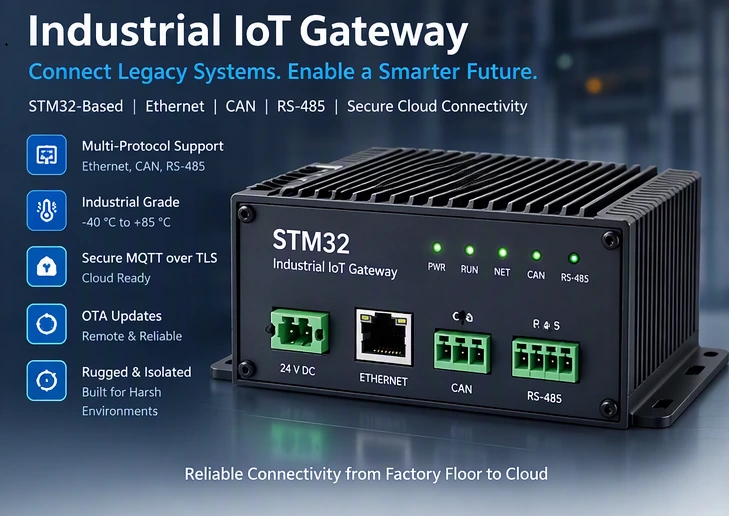
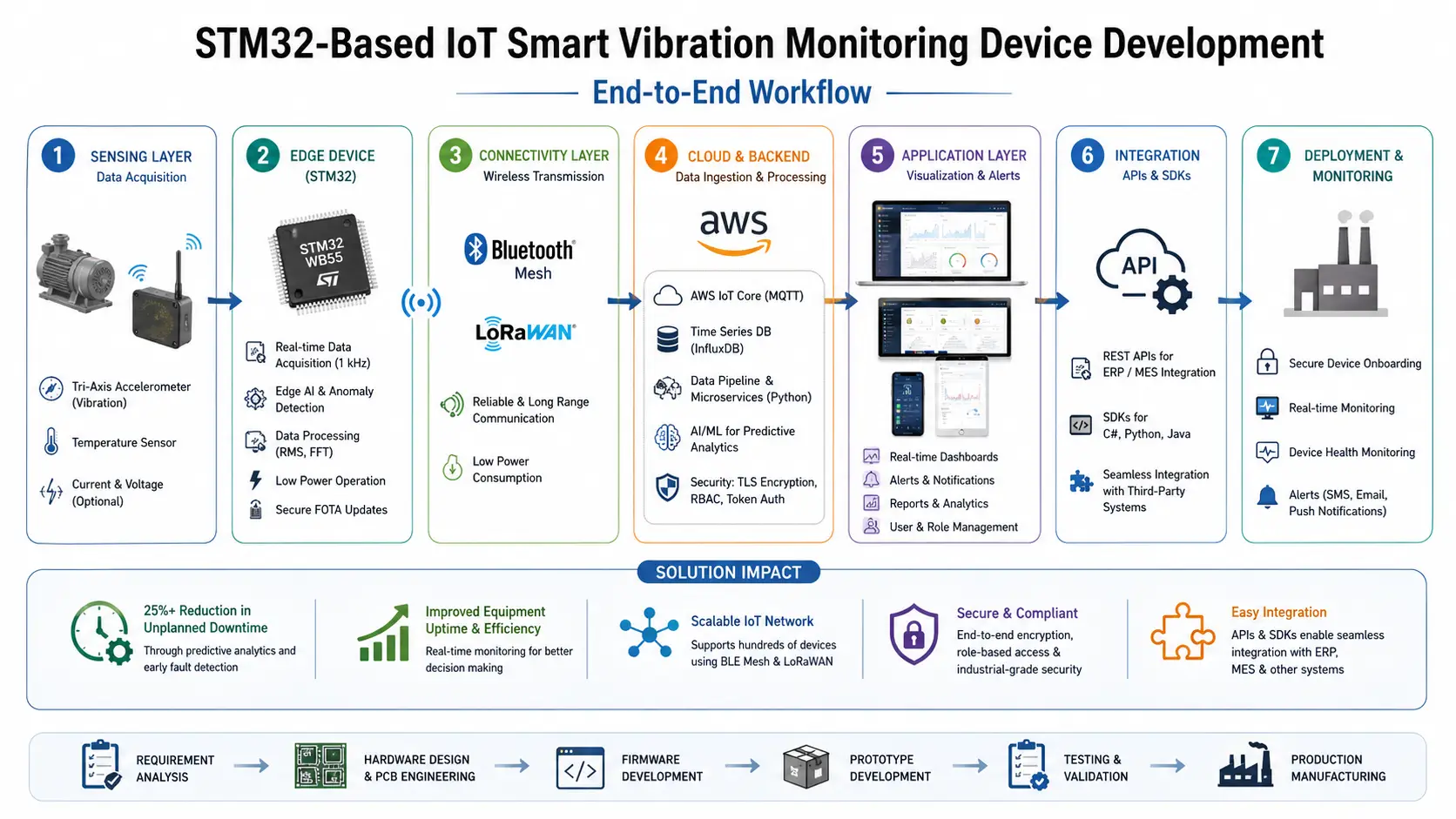
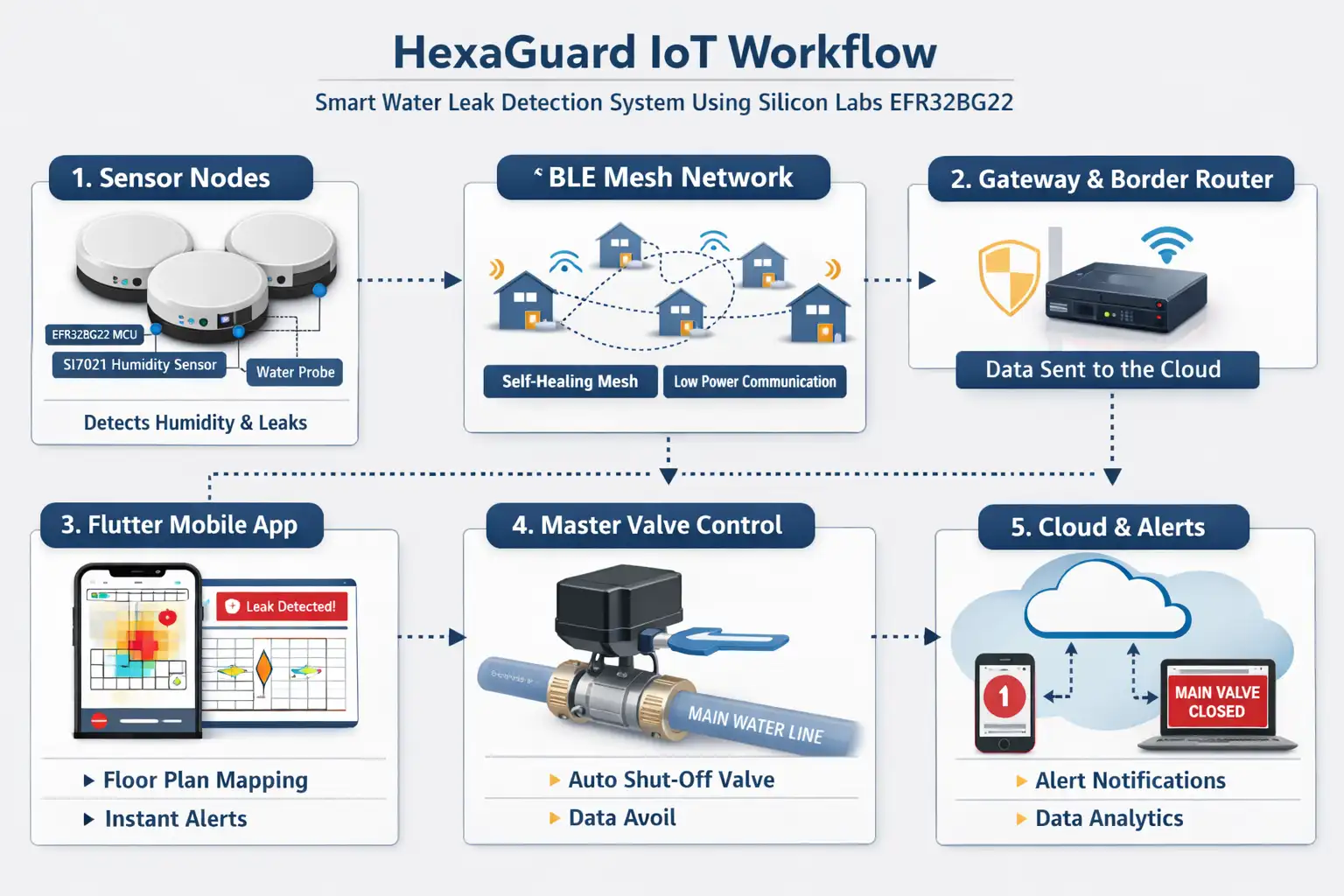
Our IoT Device Management Development Services
We can provide a complete solution or provide services within the existing IoT systems.
IoT Device Registry Building
Device registry is responsible for controlling the identity of every device that gets connected to the network.
Some of the records preserved in the registry include:
We work on building registries for different types of devices.
Secure Device Provisioning
In provisioning, the association between a physical device and its cloud identity and the owner / location must be established.
We create provisioning processes using various approaches, including:
The provisioning design must take into account not just the first connection—manufacturing, installation, transfer of ownership, and replacement, as well as issues like factory reset, loss, and device decommissioning, should also be considered as part of the design.
Remote Device Configuration
A device-management platform can maintain desired settings in the cloud and synchronize them with the physical device.
Remote configuration may include:
Configuration changes can be versioned, audited, validated, and applied to one device or a controlled group. The platform can compare desired configuration with the state reported by the device to identify incomplete or conflicting changes.
Management of IoT OTA and FOTA
Over-the-air technology enables devices to download OS, firmware, security updates, configuration files, and AI programs wirelessly.
We offer a wide range of OTA functions such as:
It has to interface with the embedded firmware, bootloader, etc., because only the dashboard cannot ensure the security of the update without imaging checks, secure boot modes, recovery logic, etc.
Device Health Checks and Deployed Diagnostics
Device health checks allow task forces to tell whether they're facing a connectivity error or some kind of hardware problem related to the use of hardware components, firmware, or power supply for the device.
The platform can monitor:
The provided logs and diagnostic data can be accessed remotely. The system can generate alerts in case the device stops sending data, continuously reboots, informs about low battery level, fails in firmware updates, or demonstrates abnormal health metrics.
Architecture of an IoT Device Management Platform
Device and Firmware Layer
The embedded device must provide identity stability, secure communication, configuration retention, health status transmission, and update enablement. The firmware must establish how the device will connect, report its situation, receive commands, check updates, and recover from interrupted tasks.
As per the kind of product, we work with STM32, ESP32, Nordic Semiconductor, NXP, Renesas, Microchip, Silicon Lab, Raspberry Pi, embedded Linux, FreeRTOS, Zephyr, and custom device hardware.
Connectivity and Messaging
The devices may communicate using the protocols MQTT, HTTPS, WebSockets, BLE, Wi-Fi, Ethernet, LoRaWAN, LTE-M, NB-IoT, 4G, or the industrial gateway.
The communication design should consider downtime, duplicates in messages, delay, offline functionality, retry protocols, bandwidth, power, and authorization.
Services related to Cloud Technology
This layer of the cloud can implement identity management, groups, synchronization processes, commands, telemetry, firmware, rules on system's health, and some auditing events.
We can create things on AWS platform, Microsoft Azure or develop a custom-made cloud infrastructure according to what the customer needs. Interestingly enough, in case of custom platform, managed IoT technology can be used to transfer data but to design a special management portal and application with database technologies.
Control Panel and API Integration
Users with permission can view the device details and manage the configuration of devices on the control panel.
The control panel offers the following functionalities:
Protection at Each Step of the Device Lifecycle
Device management allows for effective remote functions, which can lead to security breaches. The type of security measures used depends on the product and profile of the threats, they may include:
Security requirements must be determined during architecture development since they influence all aspects like hardware, bootloader, firmware, manufacturing, cloud, and support processes.
IoT Products We Can Manage
The platform architecture can be adapted for:
Develop Your Custom IoT Device Management Platform
If you need help with creating an IoT platform for managing devices, our company, Adequate Infosoft, will help you develop the necessary infrastructure to work with connected products efficiently and safely.
We will be able to develop such components as device provisioning, registry, configuration, monitoring, diagnostics, OTA management, administrative panel, mobile application, and APIs based on your product and business model.
Do not hesitate to contact us to discuss your device hardware, firmware, connectivity, production process, deployment size, preferred cloud service, security needs, and support process.
Our Device Management Development Process
1. Assessment of Fleet and Devices
We will identify types of device, architecture of firmware, technology of communication, technology of manufacturing, model of ownership, size of deployment and requirements of support.
2. Design of Lifecycle and Security
We determine how devices are to be registered, provisioned, assigned, configured, modified, and monitored, transferred and retired.
3. Proof of Concept
The controlled prototype validates the identity of the device and connection to the cloud, provisioning, synchronization of configurations, command execution, telemetry, and basic update process.
4. Creation of Platform and Firmware
We design and create device register, backend services, administration interface and API, embedded client software, loading software, and security and monitoring programs.
5. Pilot Testing
The platform is tested with typical devices under real conditions of operation. We study offline operation, failed changes of firmware, wrong credentials, conflicts in configuration, and alerts.
6. Providing Production Support
We give consultation on issues of manufacturing; use of cloud platform; performance of migration; launching releases in stages; real-time monitoring; trouble shooting and continuing development of the platform.
Frequently Asked Questions
An IoT device management platform is a platform to register, provision, configure, monitor, update, support, and decommission your connected devices during their entire lifecycle.
Yes. First, we will evaluate the device processor, bootloader, firmware, connectivity, memory, security functionality, and cloud connectivity of the device. Then we will determine what management functionalities can be implemented and if any firmware or hardware updates need to be made.
Yes. We deliver solutions on top of AWS IoT Core, Microsoft Azure IoT platforms, and proprietary cloud infrastructures.
Registration is where the device identity is created in the platform. Provisioning is where the credentials and configuration of the physical device are supplied or configured.
While our platform can identify specific device groups and manage mass campaigns, staged rollouts are always more secure than mass update procedures. The platform allows deployment in waves, monitoring, pause functionality, and rollback capability.
Protection can involve signed packages, encryption during the delivery, compatibility requirements, antirevolve functionality, dual-bank or A/B storage, bootloader checking, activation control, and automatic fallbacks.
Yes, if it is designed into the firmware architecture of devices. The device will be able to maintain its previous state, perform its functions, collect telemetry, and synchronize once the connectivity is reestablished.
Yes. The device can provide information about the battery level, signal quality, connectivity, temperature, memory usage, available storage, sensors' statuses, restarts, errors of firmware, applications' statuses, etc.
Yes. We are able to design multi-tenant solutions for customer, user, device, site, permission, data, configuration, and update campaign isolation.
Technical References