

 Mean Stack Development
 Vue JS Development
 Javascript Development
 React JS Development
 Angular JS Development
 Next JS development
 Java Development
 Python Development
 Django Development
 Cherrypy Development
 C# Development
 ASP.NET Development
 NodeJS Development
 Laravel Development
 CodeIgniter Development
 Zend Development
 Ruby on Rails Development
 CakePHP Development
 PHP Website Development
 Symfony Development
 Drupal Development
 Joomla Development
 Wordpress Development
 .NET Nuke Development
 Kentico
 Umbraco
 .NET MAUI Development
 Xamarin Application Development
 iOS Application Development
 Android Application Development
 Android Wear App Development
 Ionic Development
 iBeacon Application Development
 Universal Windows Platform (UWP)
 Kotlin Application Development
 Swift Application Development
 Flutter Application Development
 PWA Application Development
 Flutter Health Tech & Wearable App Development Company
 React Native Health Tech Wearable App Development
 Offshore Software Development
 Custom Application Development
 Front-End Development
 Full Stack Development
 AI & Machine Learning
 Custom CRM Solutions
 Flask Software Development
 Electron JS Development
 ChatGPT Development
 Veterinary Telemedicine App Development
 Build Smart Telemedicine Platform
 Beauty & Salon App Solutions
 Hire Workato Experts
 Magento Development
 Magento 2.0 Development
 Magento Enterprise
 Shopping Cart Development
 Prestashop Development
 Shopify Development
 Open Cart Development
 WooCommerce Development
 BigCommerce Development
 NopCommerce Development
 Virto Commerce Development
 AspDotNetStorefront Development
 .NET Application Development
 Microsoft Dynamics CRM
 VB .NET Development
 Sharepoint Migration
 ASP.NET Core Development
 ASP.NET MVC Development
 AJAX Development
 Agile Development
 Microsoft Bot
 Microsoft Blazor
 Microsoft Azure Cognitive
 HTML 5
 UI/UX Design
 Graphic Design
 Adobe Photoshop
 XML Application Development
 Cloud Computing Solutions
 Azure Cloud App Development
 AWS Development
 Google Cloud Development
 Certified AWS IoT Services Developers
 DevOps Consulting & Development
 Kubernetes Consulting & Services
 SQL Programming Development
 MySQL Development
 MongoDB Development
 Big Data
 Robotic Process Automation
 Social Media Marketing
 Search Engine Optimization
 QA Testing
 Software Testing
 Software Security
 Maintenance And Support
 I.T. Consulting Services
 Business Intelligence
 YII Development
 Data Analysis
 Alexa Skills Development
 On Demand App for Mobile repairing services
 On Demand App for Car Service Booking
 On Demand App for Cleaning Services
 On Demand App for Pharmacy
 On Demand Dedicated Developers
 On Demand Lawyer App Development





 Nuki Smart Lock
 Salto Smart Lock
 TTlock Smart Lock
 NFC App Development
 Custom IOT Enabled Smart Lock
 Smart Locker Solutions
 Hospital Smart Lock Systems
 Hotel Smart Lock Systems
 Smart Home & Office Locks
 Smart Access for Schools & Colleges
 Unloc Smart Lock Integration
 Yale & August Smart Lock Integration
 Populife Smart Lock Integration
 Smart Lock Hardware Development
 Dairy IoT Solutions
 Agri IoT & AI Solutions
 Weather & Climate Solutions
 Water & Waste Management Solutions
 RaspBerry Pi
 Firmware Software Development
 ESP 32 Software Development
 Embedded Development
 Internet of Things
 Smart IoT Development
 IoT Sensor Integration & Development Solutions
 Smart IoT System Development for HVAC
 Tuya IoT App Development
 Particle IoT SDK
 IoT Development with AI
 Smart Pet GPS Tracker
 Dairy GPS Tracking Solutions
 GPS Fleet Management Software
 Car Rental & Subscription Solutions
 Car Buy & Sell Marketplace Development
 AI-Powered Car Wash App Development
 PCB Design & Fabrication
 IoT AC Automation
 AI–IoT Painting Solutions
 IoT Wearable Hardware & App Development
 HVAC Automation & AI Control Systems
 Smart Home IoT Engineering
 AI Embedded Systems
 AI Hardware Design Service
 Advanced IoT Hardware & Firmware Development
 Device Driver Development Services
 NXP i.MX RT Firmware & Hardware Services
 Microchip PIC & AVR Development
 Hire IoT Architects
 IoT Cloud & Infrastructure Solutions
 Infineon XMC / AURIX Development Services
 Matter & Thread IoT Services
 Native IoT Mobile App Development (BLE & Wi-Fi)
 Snapdragon IoT Firmware Development
 Renesas RA/RX Firmware Services
 Silicon Labs EFR32 Development Services
 Smart Wearable App Development
 Smart IoT Meters
 Smart Healthcare Wearable App Development
 Health Care Monitoring System
 Fitness Tracking App Development
 Smart Home Automation Apps
 nRF PCB Design
 ESP32 PCB Design
 Embedded Wearables Engineers
 Rental Property Management System
 Building Management System
 Smart Lighting Development
 Infineon Semiconductor Firmware Development Services
 Custom Camera Development: Hardware, Firmware & PCB Prototyping
 Smart Security Camera SDK
 Nordic Semiconductor SDK
 Infineon SDK
 Arduino SDK
 NFC Lock Integration
 Kerong Lock Integration
 IoT & AI Solutions for Manufacturing
 Smart Inventory & Logistics Solution
 Food & Beverage Industry Solutions
 Smart Hospitality Solutions
 Smart Property Management
 Custom Smart Home IOT SDK
 Smart IoT & AI in Healthcare
 AI-Powered Security Solutions
 Smart Home Safety & AI
 Veterinary Clinic Management (AI)
 Pet Care System (AI & IoT)
 Pet Training & Adoption (AI)
 Healthcare IoT Development
 Event Management Software
 Money Remittance App
 Money Lending App Development
 Utility and Bill Payment App
 IoT Mobile App Development (Flutter & React Native)
 AI & IoT Retail Solutions
 Smart EV App Development
 Smart Solar IoT & AI Solutions
 IoT-Based Energy Systems
 Smart Energy & Utilities Solutions
 6G Solutions
 IoT Security Solutions
 AI-Powered Lottery App Development
 AI-Sports Fitness Club Management
 Travel
 Real Estate
 Medical & Healthcare
 e-Learning
 Consumer Products
 Finance
 Automobile
 Media & Entertainment
 Billing Software
 Enterprise Resource Planning (ERP)
 Augumented & Virtual Reality
 Point of Sale(POS) Development
 Learning Management System
 EV Charging Solutions
 About Us
 Partners & Certifications
 Quality Assurance
 Our Clients & Testimonials
 Development Process
 Our Products
 Social Responsibility
 Work Ethics
 Vision & Mission
 Awards
 Live Project Demos
 Contact Us
 Case Studies
 Portfolio
 Blog
Flutter IoT Mobile App Development Services
A connected product is only as useful as the mobile experience around it. Be it unlocking a smart door, checking patient's wearables data, controlling HVAC devices, tracking an asset, or receiving an equipment alert, the user expects quick reaction from the application, intuitiveness, and security of the data.
Adequate Infosoft provides Flutter IoT mobile application development services for companies creating connected products and device ecosystems.
We develop both Android and iOS applications based on the same Flutter codebase while developing the device connectivity, cloud APIs, real-time data exchange, push notifications, user roles, and operational interfaces that make the IoT product functional in reality.
We work across each of the IoT stack layers: embedded firmware, Bluetooth Low Energy and Wi-Fi connectivity, gateways, MQTT, cloud services, back-end APIs, web portals, and Flutter applications.
This end-to-end experience is valuable since a good application cannot fix the lack of connectivity, poorly designed telemetry, insecure API, and unclear ownership policies of the device.
Let's Work Together!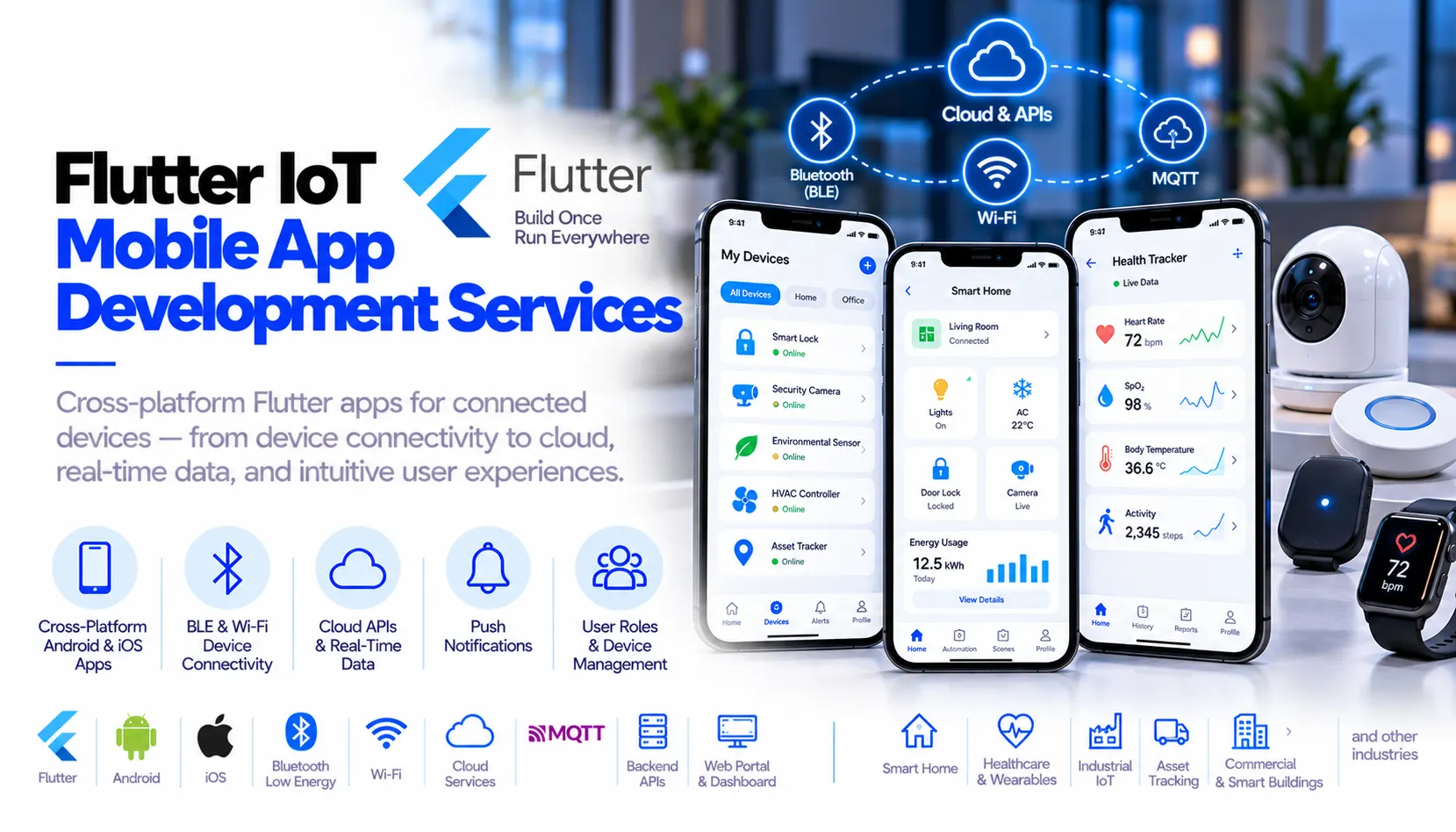
What is the Flutter IoT Mobile Application?
An application that runs on multiple platforms is the Flutter application that can help you interact with the IoT devices and any cloud service in connection with them through the device, whether it is an Android or an iOS operating system.
Depending on the specifics of a device this application can do the following:
Connect the device via BLE Provide internet connectivity for a device Transfer commands to the device (lock/unlock, start/stop, arm/disarm, change settings) Show sensor data, history, battery load, location, device condition Get notified about events, signals, thresholds, and service Control different premises Communicate with the device from the cloud using secure APIs Provide functionality even in offline mode
Flutter is advantageous when a business needs to provide identical experience on two platforms without creating separate applications.
Nevertheless, connected-device development requires specific consideration of platform differences. Permissions to use BLE, background operations, ability to use local network, device discovery, notifications, firmware updates and other things may vary from iOS to Android.
Our Flutter IoT App Development Capabilities
BLE, Wi-Fi and Device Provisioning
We provide onboarding experiences that assist users in creating their account, locating their nearest device, pairing it through Bluetooth, giving Wi-Fi details to the device, confirming it to the cloud, and labeling/identifying the device.
We work with BLE product features, including services and characteristics definition, command acknowledgement, reconnection behaviour, signal strength information, encryption, and error handling per device.
In the case of Wi-Fi devices, we design the provisioning journey and eliminate the problems associated with failed onboarding due to network permissions, wrong credentials, dual-band routers, and state changes of the device.
Real-Time Monitoring and Device Control
IoT solutions must present the relevant information in the correct form and at an appropriate level of detail. While a homeowner might be fine with "secure" or "unlocked," a facility manager might need to look over the state of hundreds of devices, their fault states, uptime, energy usage, and command logs.
We create dashboards with Flutter that enable the visualisation of real or past IoT data such as sensor readings, status data, trends, logs, maps, reminders, and remote control of devices. The core solution can use MQTT, WebSockets, REST API, server-sent events or IoT in-the-cloud depending on the particular needs of the product.
Secure User, Device and Access Management
Connected devices frequently need more than just a login process. The same device may be used by members of a family, field operators, building tenants, building management, and company management. Each one needs a different set of permissions.
We provide secure authentication, access controls based on roles, ability to hand off devices, guest access, team or site structure, logging, consent management, and API-level authentication. In cases where a connected device involves physical access, health data, location data, or controls for industrial applications, we ensure the right level of security for the operations involved.
Cloud, Backend and Third-Party Integration
Apps need a strong backend to operate user, device, data, notifications, and business logic. Sufficient Infosoft dеvеlops and deploys API usings .NET, Node.js, Python, AWS, Azure, PostgreSQL, MongoDB, Firebase, and custom IoT cloud platforms.
Flutter application integration may include AWS IoT Core, Azure IoT, Firebase Cloud Messaging, Twilio, payment systems, maps, CRM platforms, analytics, voice assistants, and API of devices' vendors. In case of a product requiring a secure command line, we set up the flow of user activity from mobile application to backend, cloud broker, gateway, and device itself.
OTA Updates, Diagnostics and Support Features
Longevity support is required for IoT products. It could be the need for firmware updates, configuration updates, diagnostic checks, or device replacement. We design mobile apps that explain what is going on and help customers understand when it comes to firmware update status, device diagnostics, low battery alert, connectivity checks, support ticketing, and setup instructions.
In case of over-the-air updates, we take into account power level, network, compatibility, rollback capabilities, and controller – mobile app, gateway, or cloud platform.
Unique Case Study: Flutter App for a Smart AC Control and Energy Management Platform
Client Context and Product Challenge
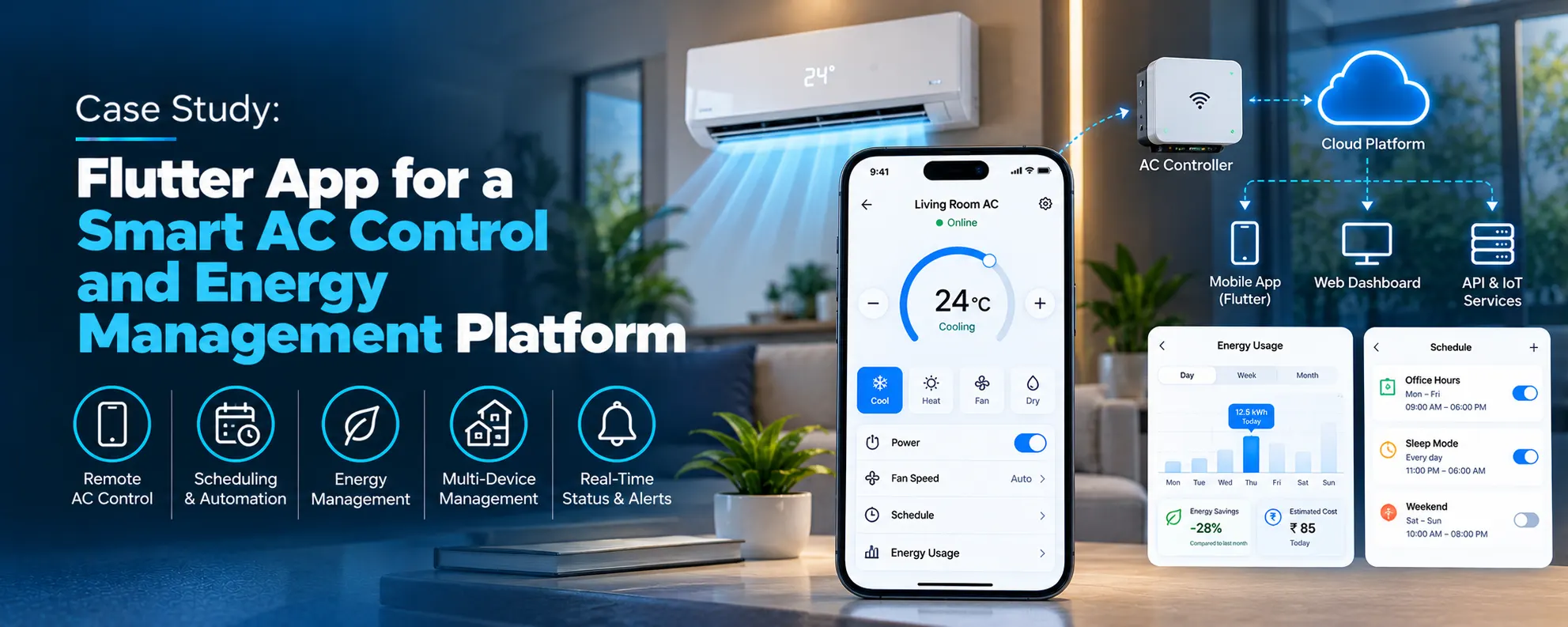
Adequate Infosoft created a smart AC controller that uses IoT technology for a HVAC company on a worldwide scale. They required the creation of an application which would allow them to control air-conditioning units remotely and save energy through managing the operation of the devices.
This project entailed not only the creation of the remote control interface but also the integration of physical controllers, firmware, cloud services, and users into a reliable system where it was necessary for the user to be sure that a chosen temperature or mode has been sent to the device and not just the button clicked within the application.
Flutter Mobile App and Connected Architecture
The mobile application was developed in Flutter and integrated with Android and iOS, which provided a uniform experience for the setup of the device, its control, alarms, and management.
Through the app, the users were able to register the controllers, link them to homes or commercial places, monitor the device's condition, and change the settings for control.
The architecture of the system was based on the command and state model. In case a user changed the temperature settings, chose the operating mode, or programmed an event using the Flutter app, the request was securely handled by the backend API and cloud communication and delivered to the controller.
The device's feedback and the telemetry were then shown in the app, allowing users to separate their commands from the current state of the device.
Key functional areas included:
Secure account registration and login Device onboarding and location assignment Remote AC power, mode, temperature, and scheduling controls Real-time status and operating-condition visibility Push notifications for selected device events and operational alerts Multi-device management for homes, offices, and sites Web-based administration and operational monitoring Cloud-ready architecture designed for scalable regional deployment
Engineering Decisions That Improved Reliability
Our solution addressed scenarios that would cause connected HVAC applications to be unreliable, such as momentary loss of internet connection, latency in device response, outdated status, repeated taps of a command, and change in ownership of devices. The in-app states for loading and confirmation were clearly defined to inform the user of the state of a command.
Coordination between firmware, backend, cloud, and mobile development was another important requirement for this project. Instead of considering them as separate components, we created shared device ID, command structure, telemetry parameters, rules for events, and error handling mechanisms. As a result, the Flutter application became more beneficial for end users and support specialists.
The result was a practical smart AC control solution that connected mobile convenience with real operational visibility. It gave the client a foundation for energy-management features, expanding device fleets, and future automation capabilities without forcing users to move between separate apps.
Case study link: iot-based-smart-ac-controls-mobile-app-web
Relevant Adequate Infosoft IoT and Flutter Project Experience
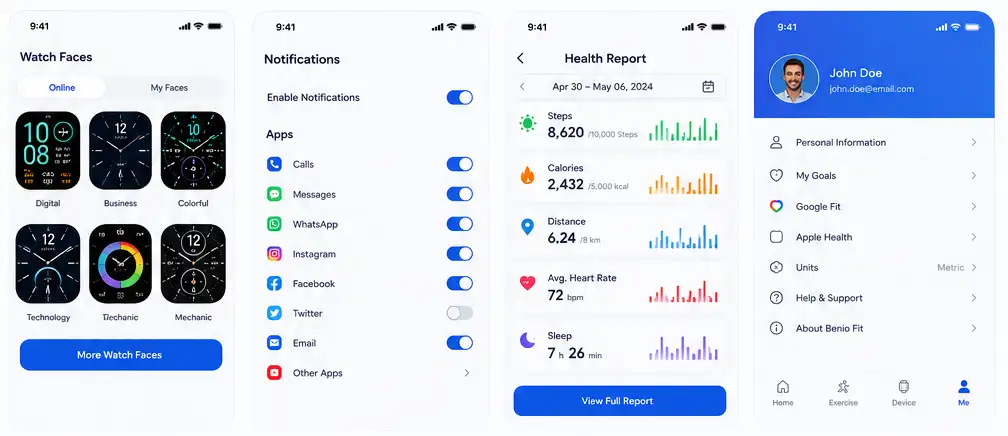
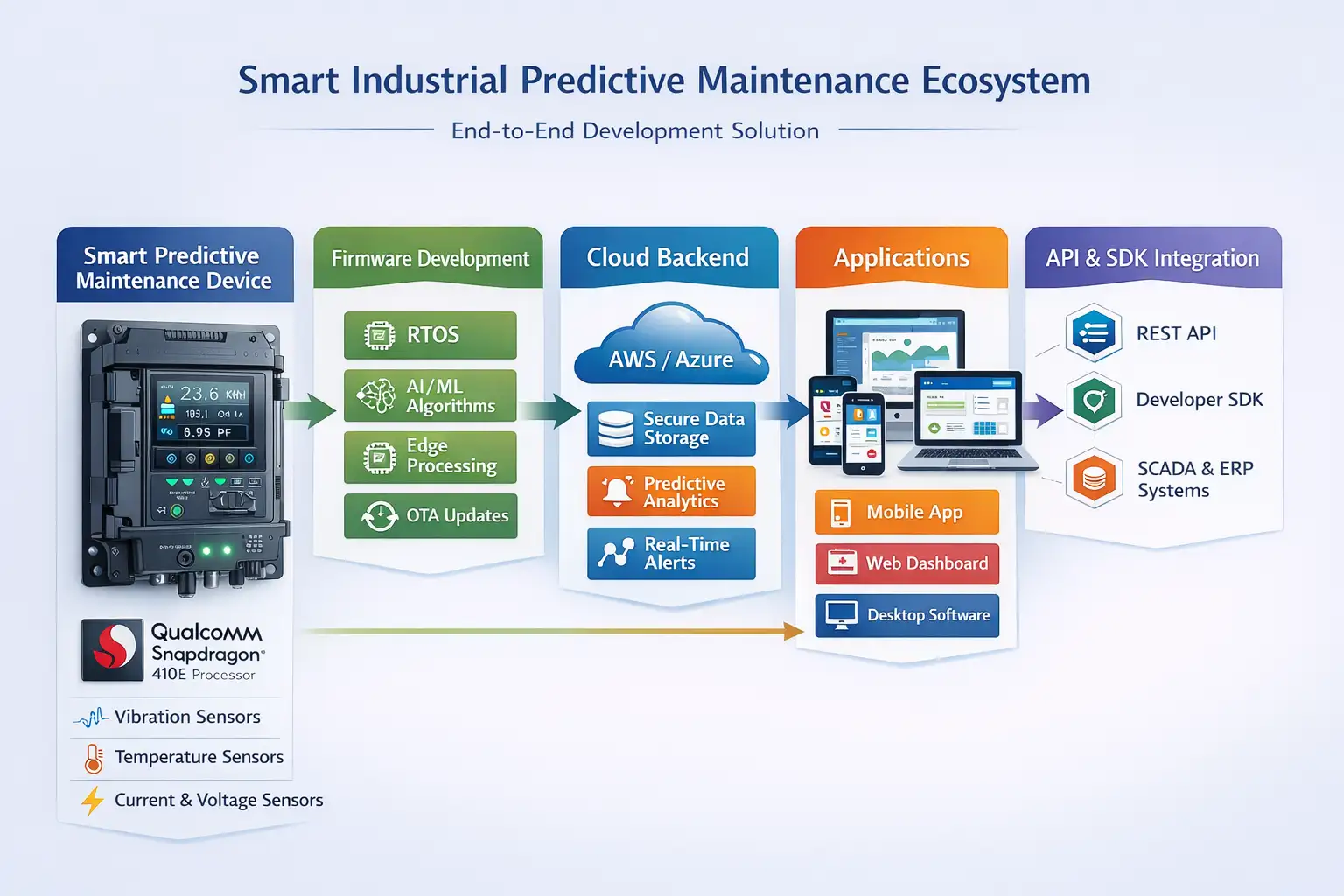
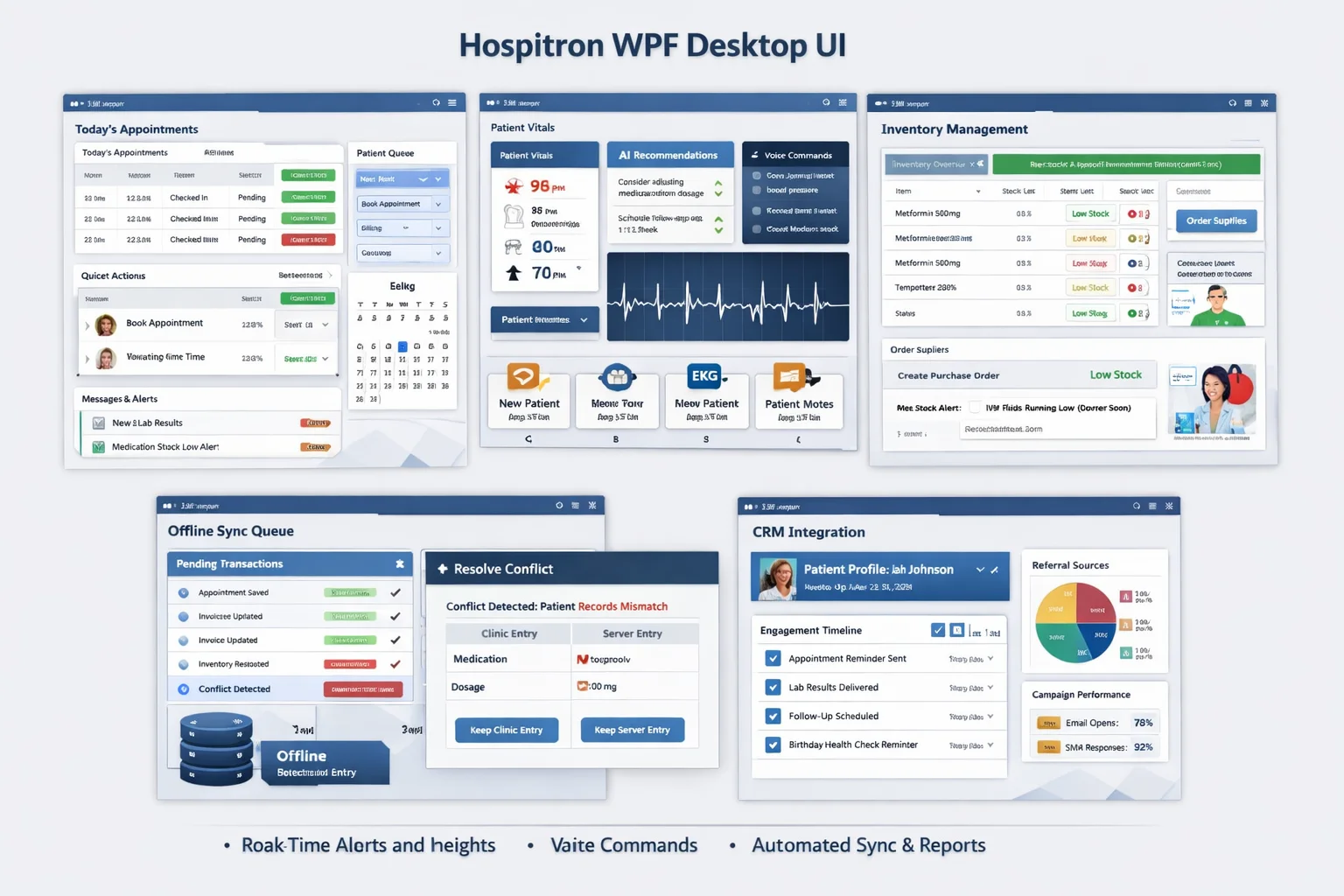
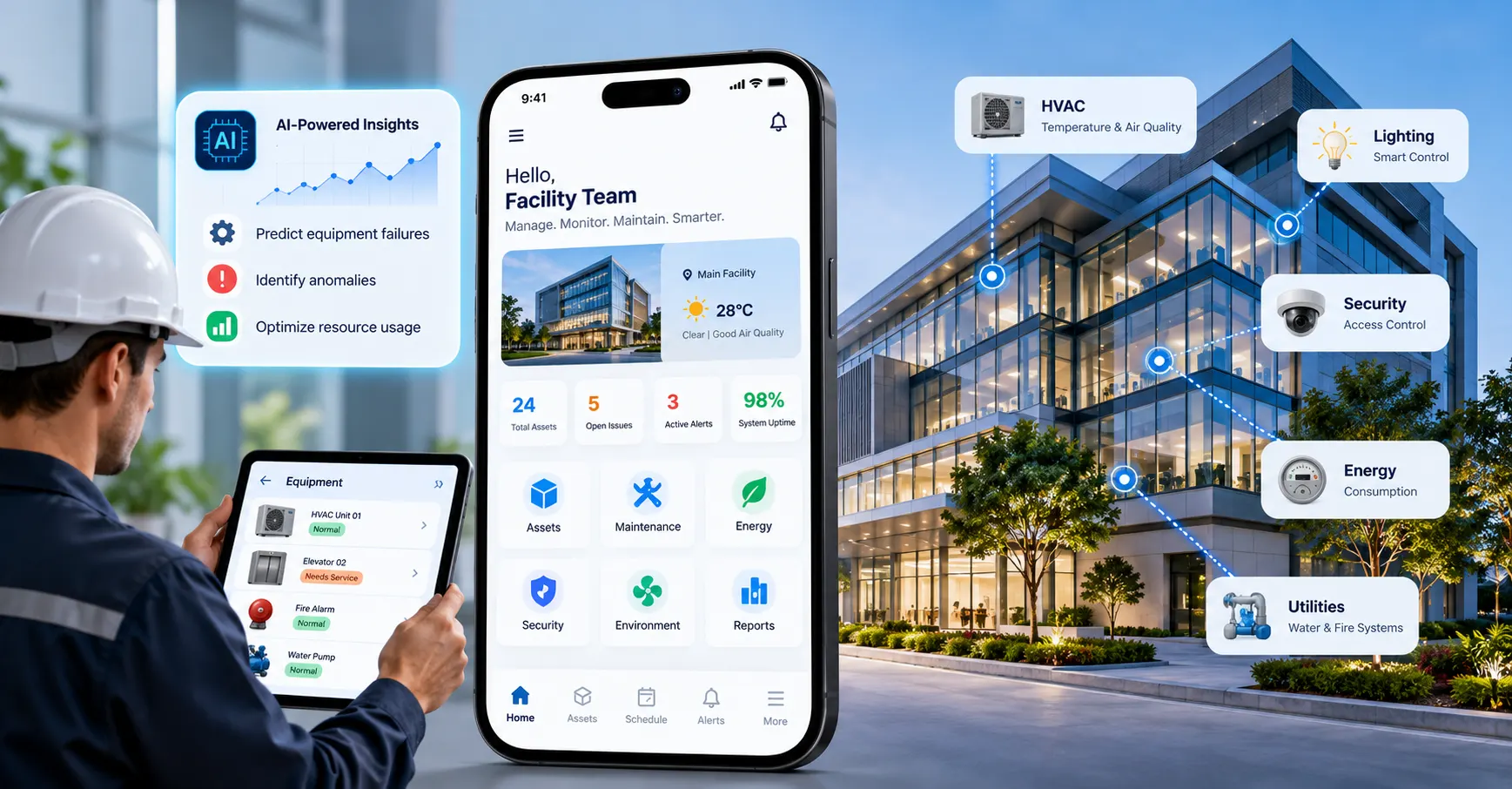
Our Flutter IoT implementation is based on our extensive knowledge of connected hardware, cloud infrastructure, security in mobile apps, and industry workflow processes. Here are some examples of projects we have completed.
How We Deliver Flutter IoT Applications
The journey for our solution starts with the device and operations experience, not the screens. In this process, we determine the audience for the app, device installation process, consequences of losing connectivity, safety-critical controls and information a user should be able to have after an incident or alert.
Next, we define the solution architecture, API contracts, device communication strategy, user roles, data model and UI flow. While developing the app, our teams for mobile, backend, cloud and embedded validate the application with real behavior of devices.
This step prevents a common mistake of most IoT projects when an app works with mock data but fails at pair, remote command send, reconnection scenarios.
Before releasing the app, we make sure it works in combinations of real devices, operating systems, networks, account roles and failure scenarios. We can help with submission to App Store and Google Play, observability, post-launch fixes, upcoming features and growth of device fleet.
Why Choose Adequate Infosoft for Flutter IoT App Development?
Partner with someone who appreciates the two sides of the connected-product equation, from the individual utilizing the app to the device itself running out in the world.
The following are among the many capabilities provided by our teams:
Flutter development for Android and iOS IoT hardware, firmware, BLE, Wi-Fi, gateways, and devices Cloud and backend infrastructure AWS IoT and connected device processes Secure API, authentication, permissions, and logging Real-time dashboard, alerts, and remote control of devices Consumer, health care, industrial, and smart building UI/UX Maintenance, monitoring, and scalability after launch
We offer technical advice, pragmatic planning, and an integrated-testing approach to development for each project. The starting point of each project is the device, its users, connectivity issues, security requirements, and business objectives.
Frequently Asked Questions
Yes. This platform will be great for developing IoT applications that are supposed to run on both Android and iOS at once out of a single code base. It supports BLE, WiFi provisioning, API, push notifications, live dashboards, maps, and device services through the cloud. Some of the functionalities may require native Android/iOS capabilities, which we integrate where necessary.
It depends on the device architecture. Flutter-based IoT application can implement local BLE functionality, cache of data, queuing of actions, and partial offline workflow. IoT remote control and synchronization with the cloud can be performed only via the internet connection.
We can integrate Flutter applications with AWS IoT Core, Azure IoT, Firebase, custom MQTT brokers, REST APIs, WebSockets, and custom cloud backends. The right option depends on device volume, real-time requirements, security needs, existing infrastructure, and budget.
Security can include encrypted data transport, authentication, token-based access for APIs, role-based permissions, protected device onboarding, auditing, credential protection, and authorization at the server-side. The choice of measures depends on the device and business needs.
Yes. Our team is capable of providing full-service end-to-end IoT solution from design and development of hardware and embedded firmware, through cloud architecture, backend APIs, mobile apps using Flutter framework, web dashboards, and support.
Proof of concept can be ready in weeks. Creation of a production-ready IoT platform with device provisioning, cloud connectivity, roles management, dashboards, alerts and firmware operations can take a staged approach. Once we understand the device and its requirements, as well as features you need, we will give you an estimate.