


 Mean Stack Development
 Vue JS Development
 Javascript Development
 React JS Development
 Angular JS Development
 Next JS development
 Java Development
 Python Development
 Django Development
 Cherrypy Development
 C# Development
 ASP.NET Development
 NodeJS Development
 Laravel Development
 CodeIgniter Development
 Zend Development
 Ruby on Rails Development
 CakePHP Development
 PHP Website Development
 Symfony Development
 Drupal Development
 Joomla Development
 Wordpress Development
 .NET Nuke Development
 Kentico
 Umbraco
 .NET MAUI Development
 Xamarin Application Development
 iOS Application Development
 Android Application Development
 Android Wear App Development
 Ionic Development
 iBeacon Application Development
 Universal Windows Platform (UWP)
 Kotlin Application Development
 Swift Application Development
 Flutter Application Development
 PWA Application Development
 Flutter Health Tech & Wearable App Development Company
 React Native Health Tech Wearable App Development
 Offshore Software Development
 Custom Application Development
 Front-End Development
 Full Stack Development
 AI & Machine Learning
 Custom CRM Solutions
 Flask Software Development
 Electron JS Development
 ChatGPT Development
 Veterinary Telemedicine App Development
 Build Smart Telemedicine Platform
 Beauty & Salon App Solutions
 Hire Workato Experts
 Magento Development
 Magento 2.0 Development
 Magento Enterprise
 Shopping Cart Development
 Prestashop Development
 Shopify Development
 Open Cart Development
 WooCommerce Development
 BigCommerce Development
 NopCommerce Development
 Virto Commerce Development
 AspDotNetStorefront Development
 .NET Application Development
 Microsoft Dynamics CRM
 VB .NET Development
 Sharepoint Migration
 ASP.NET Core Development
 ASP.NET MVC Development
 AJAX Development
 Agile Development
 Microsoft Bot
 Microsoft Blazor
 Microsoft Azure Cognitive
 HTML 5
 UI/UX Design
 Graphic Design
 Adobe Photoshop
 XML Application Development
 Cloud Computing Solutions
 Azure Cloud App Development
 AWS Development
 Google Cloud Development
 Certified AWS IoT Services Developers
 DevOps Consulting & Development
 Kubernetes Consulting & Services
 SQL Programming Development
 MySQL Development
 MongoDB Development
 Big Data
 Robotic Process Automation
 Social Media Marketing
 Search Engine Optimization
 QA Testing
 Software Testing
 Software Security
 Maintenance And Support
 I.T. Consulting Services
 Business Intelligence
 YII Development
 Data Analysis
 Alexa Skills Development
 On Demand App for Mobile repairing services
 On Demand App for Car Service Booking
 On Demand App for Cleaning Services
 On Demand App for Pharmacy
 On Demand Dedicated Developers
 On Demand Lawyer App Development


 Nuki Smart Lock
 Salto Smart Lock
 TTlock Smart Lock
 NFC App Development
 Custom IOT Enabled Smart Lock
 Smart Locker Solutions
 Hospital Smart Lock Systems
 Hotel Smart Lock Systems
 Smart Home & Office Locks
 Smart Access for Schools & Colleges
 Unloc Smart Lock Integration
 Yale & August Smart Lock Integration
 Populife Smart Lock Integration
 Smart Lock Hardware Development
 Dairy IoT Solutions
 Agri IoT & AI Solutions
 Weather & Climate Solutions
 Water & Waste Management Solutions
 RaspBerry Pi
 Firmware Software Development
 ESP 32 Software Development
 Embedded Development
 Internet of Things
 Smart IoT Development
 IoT Sensor Integration & Development Solutions
 Smart IoT System Development for HVAC
 Tuya IoT App Development
 Particle IoT SDK
 IoT Development with AI
 Smart Pet GPS Tracker
 Dairy GPS Tracking Solutions
 GPS Fleet Management Software
 Car Rental & Subscription Solutions
 Car Buy & Sell Marketplace Development
 AI-Powered Car Wash App Development
 PCB Design & Fabrication
 IoT AC Automation
 AI–IoT Painting Solutions
 IoT Wearable Hardware & App Development
 HVAC Automation & AI Control Systems
 Smart Home IoT Engineering
 AI Embedded Systems
 AI Hardware Design Service
 Advanced IoT Hardware & Firmware Development
 Device Driver Development Services
 NXP i.MX RT Firmware & Hardware Services
 Microchip PIC & AVR Development
 Hire IoT Architects
 IoT Cloud & Infrastructure Solutions
 Infineon XMC / AURIX Development Services
 Matter & Thread IoT Services
 Native IoT Mobile App Development (BLE & Wi-Fi)
 Snapdragon IoT Firmware Development
 Renesas RA/RX Firmware Services
 Silicon Labs EFR32 Development Services
 Smart Wearable App Development
 Smart IoT Meters
 Smart Healthcare Wearable App Development
 Health Care Monitoring System
 Fitness Tracking App Development
 Smart Home Automation Apps
 nRF PCB Design
 ESP32 PCB Design
 Embedded Wearables Engineers
 Rental Property Management System
 Building Management System
 Smart Lighting Development
 Infineon Semiconductor Firmware Development Services
 Custom Camera Development: Hardware, Firmware & PCB Prototyping
 Smart Security Camera SDK
 Nordic Semiconductor SDK
 Infineon SDK
 Arduino SDK
 NFC Lock Integration
 Kerong Lock Integration
 IoT & AI Solutions for Manufacturing
 Smart Inventory & Logistics Solution
 Food & Beverage Industry Solutions
 Smart Hospitality Solutions
 Smart Property Management
 Custom Smart Home IOT SDK
 Smart IoT & AI in Healthcare
 AI-Powered Security Solutions
 Smart Home Safety & AI
 Veterinary Clinic Management (AI)
 Pet Care System (AI & IoT)
 Pet Training & Adoption (AI)
 Healthcare IoT Development
 Event Management Software
 Money Remittance App
 Money Lending App Development
 Utility and Bill Payment App
 IoT Mobile App Development (Flutter & React Native)
 AI & IoT Retail Solutions
 Smart EV App Development
 Smart Solar IoT & AI Solutions
 IoT-Based Energy Systems
 Smart Energy & Utilities Solutions
 6G Solutions
 IoT Security Solutions
 AI-Powered Lottery App Development
 AI-Sports Fitness Club Management
 Travel
 Real Estate
 Medical & Healthcare
 e-Learning
 Consumer Products
 Finance
 Automobile
 Media & Entertainment
 Billing Software
 Enterprise Resource Planning (ERP)
 Augumented & Virtual Reality
 Point of Sale(POS) Development
 Learning Management System
 EV Charging Solutions
 About Us
 Partners & Certifications
 Quality Assurance
 Our Clients & Testimonials
 Development Process
 Our Products
 Social Responsibility
 Work Ethics
 Vision & Mission
 Awards
 Live Project Demos
 Contact Us
 Case Studies
 Portfolio
 Blog
Embedded Linux, BSP & Device Driver Development Services
Getting custom hardware to work is not as simple as just loading the Linux OS and running some application. To have a ready to deploy embedded Linux system you need a software stack which includes bootloader settings, enabling the kernel, board support package (BSP), device drivers, root filesystem, middleware, security mechanisms, diagnostics, and update procedures.
Adequate Infosoft offers Embedded Linux, BSP and device driver development services to product companies, startups and industrial companies who develop connected devices. We can assist you in getting your system from the prototype board to a stable and maintainable Linux product.
Our team covers hardware bringup, kernel customization, Yocto Project and Buildroot development, Linux application development, communication interfaces, device security and long-term product maintenance.
Be it an industrial gateway, smart camera, diagnostic device, healthcare device, robotic controller, kiosk, energy meter or IoT edge device, our approach is aimed at solving the problems that determine the success of a product – boot speed, thermal profile, peripherals reliability, network reconnection, flash endurance, update security and reproducibility of build.
Let's Work Together!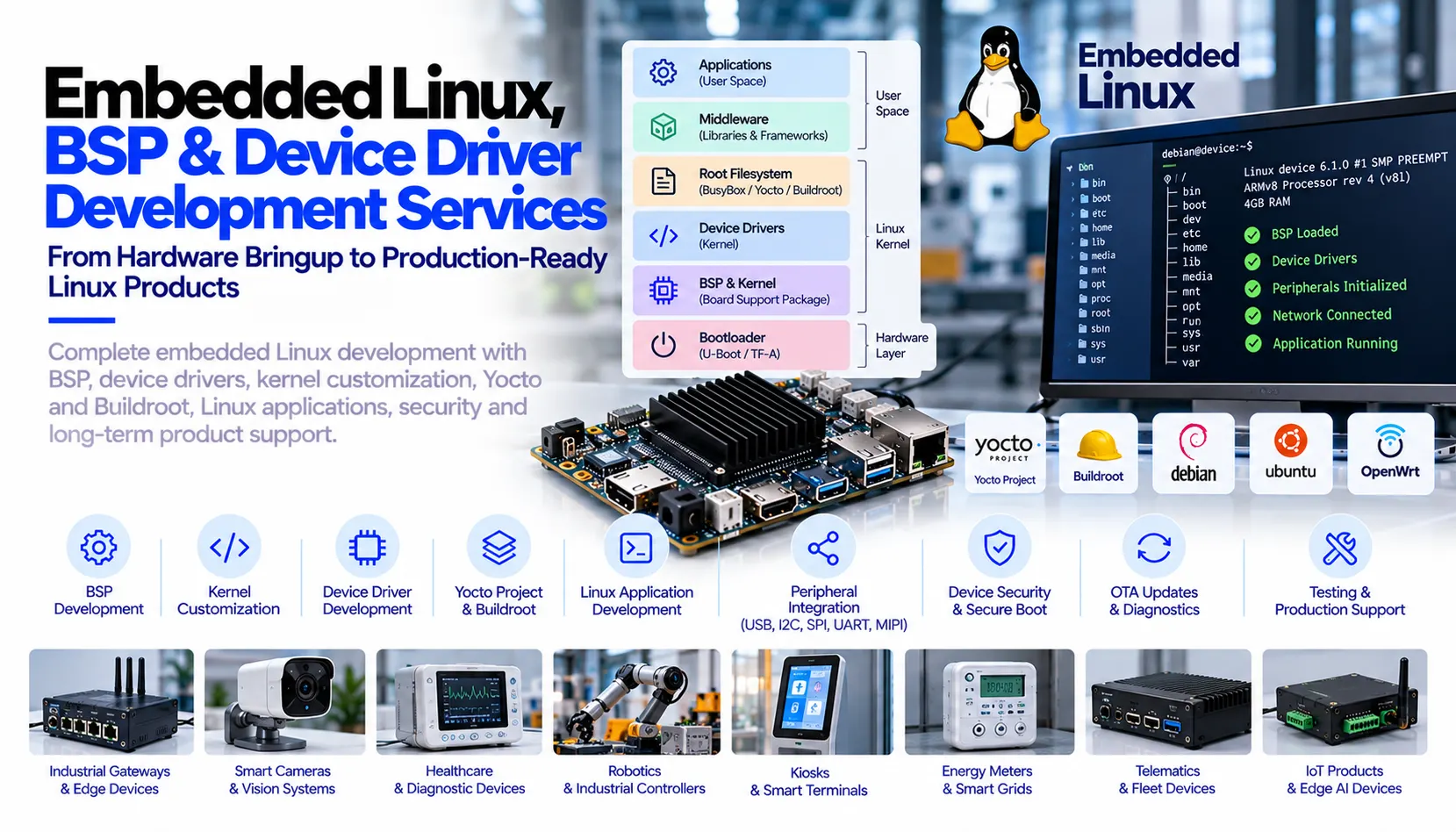
What Is Embedded Linux Development?
Embedded Linux is a customised version of Linux OS intended for running on specialised hardware rather than general purpose computers. This operating system is usually chosen in cases where the project requires sophisticated network, graphics, multimedia, edge computing, cloud connectivity, interface support or application environment.
An embedded Linux system could consist of:
Configuration of bootloader such as U-Boot or a custom board boot flow Configuration of the Linux kernel and kernel patches Development of Board Support Package (BSP) Developing device tree and hardware description Developing Linux drivers for the devices Tuning Yocto Project or Buildroot build system Building root file system, packaging, and services configuration Secure boot, filesystem protection, and OTA updates architecture Development of applications, middleware, and cloud connectivity Manufacturing tests, field diagnostics, and maintenance documentation
It is not just about booting your board.
Unique Case Study: Cross-Platform OBD Driver for an Electric Vehicle Diagnostic Client
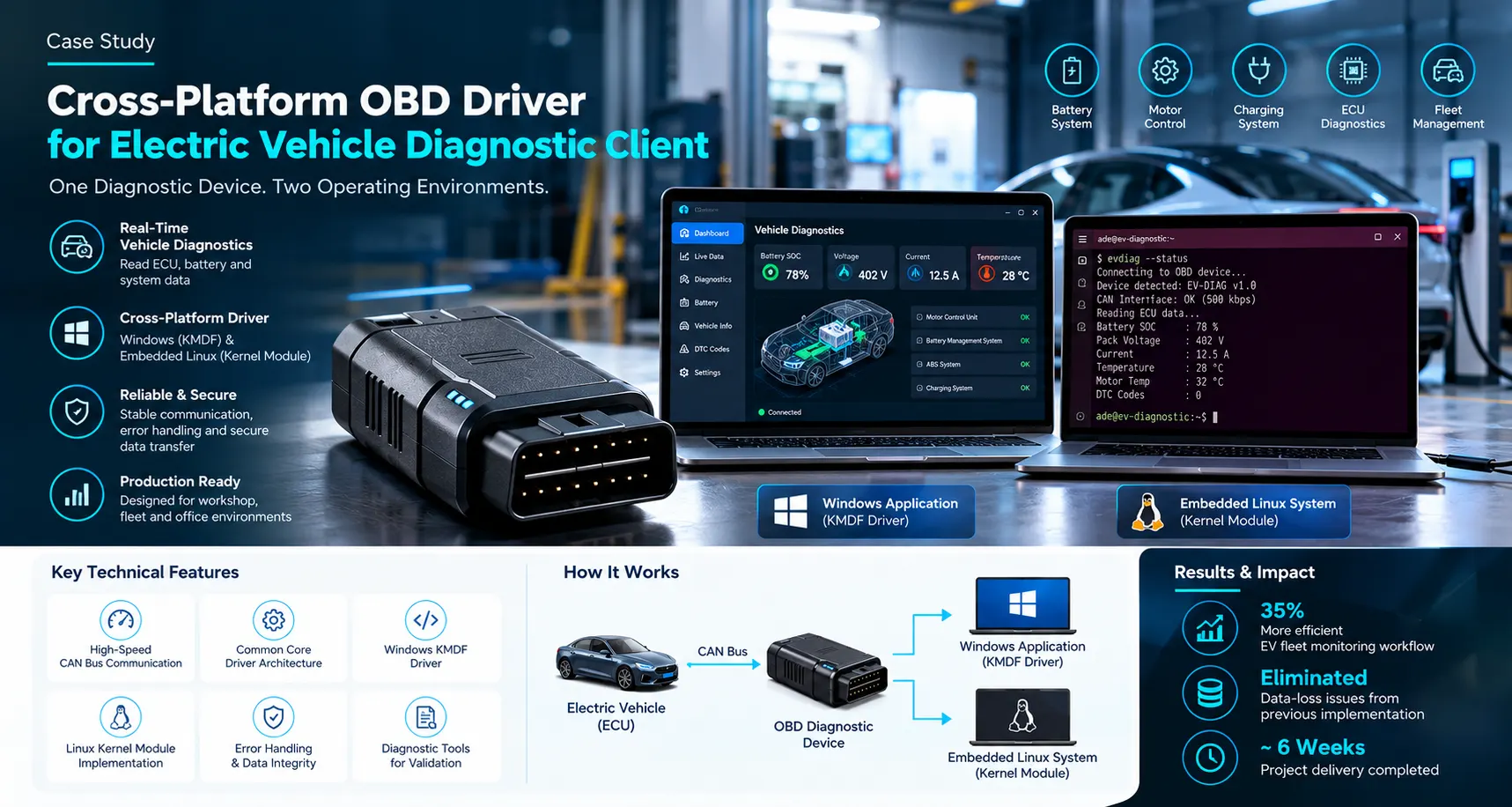
Client Requirement: One Diagnostic Device, Two Operating Environments
Adequate Infosoft collaborated with a large-scale customer who develops an on-board diagnostics (OBD) device for electric-vehicle diagnostics and fleet management.
The task was to obtain real-time data from the electronic control unit (ECU) of the vehicle, which would include diagnostic data and information related to the battery, but the software solution adopted by the customer failed to work reliably in different operating environments.
The OBD hardware should communicate with a Windows application employed by the service staff and a system running Embedded Linux.
Standard solutions provided data access capabilities but did not provide reliable and fast product-specific communication capabilities required by the customer. Reliability is especially important in such systems due to the fact that failure to obtain messages or delays might impact the diagnostic process.
Technical Solution: Driver Architecture Built for Windows and Embedded Linux
Analysis of the device protocol, the need for communication between ECUs, host interfaces and data flow were all done by our engineering team first.
This solution needed efficient CAN bus communication, secure data transfer, efficient power management and a scalable design that would not force our client to have completely separate implementations.
A Hybrid driver solution was devised with a common core communication solution. For the Windows platform, the implementation used Kernel Mode Driver Framework (KMDF).
For the Linux platform, we made use of Linux Kernel Modules with a user-space communication solution.
The development work included:
High-speed CAN bus communication for real-time ECU data collection Cross-compilation workflows for the Embedded Linux target Driver-level error handling for disconnects, timeouts and malformed messages Shared logic to reduce divergence between Windows and Linux implementations Diagnostic interfaces for validation during integration and support Secure data-transfer handling between the OBD device and host applications Performance testing under sustained vehicle-data traffic
Rather than treating Linux as a secondary port, we designed the driver behaviour around the requirements of both environments from the beginning. This reduced inconsistent data handling and helped preserve a familiar workflow for the client's software team.
Outcome and Business Impact
The completed solution enabled the diagnostic product to operate across factory, workshop and office environments while maintaining dependable access to real-time vehicle information. The client could support Embedded Linux deployments without abandoning their Windows-based diagnostic workflow.
According to the project outcome, the improved driver architecture made the EV fleet monitoring workflow approximately 35% more efficient, eliminated the data-loss issue observed in the earlier implementation and reduced development cost by avoiding two completely separate solutions. The delivery was completed in approximately six weeks.
This project demonstrates why embedded Linux driver development must be considered alongside the full product architecture. A driver is not just a piece of low-level code; it affects data accuracy, serviceability, product scalability and the user's confidence in the device.
Related project page: custom-device-driver-development-company
Relevant Adequate Infosoft Case Studies
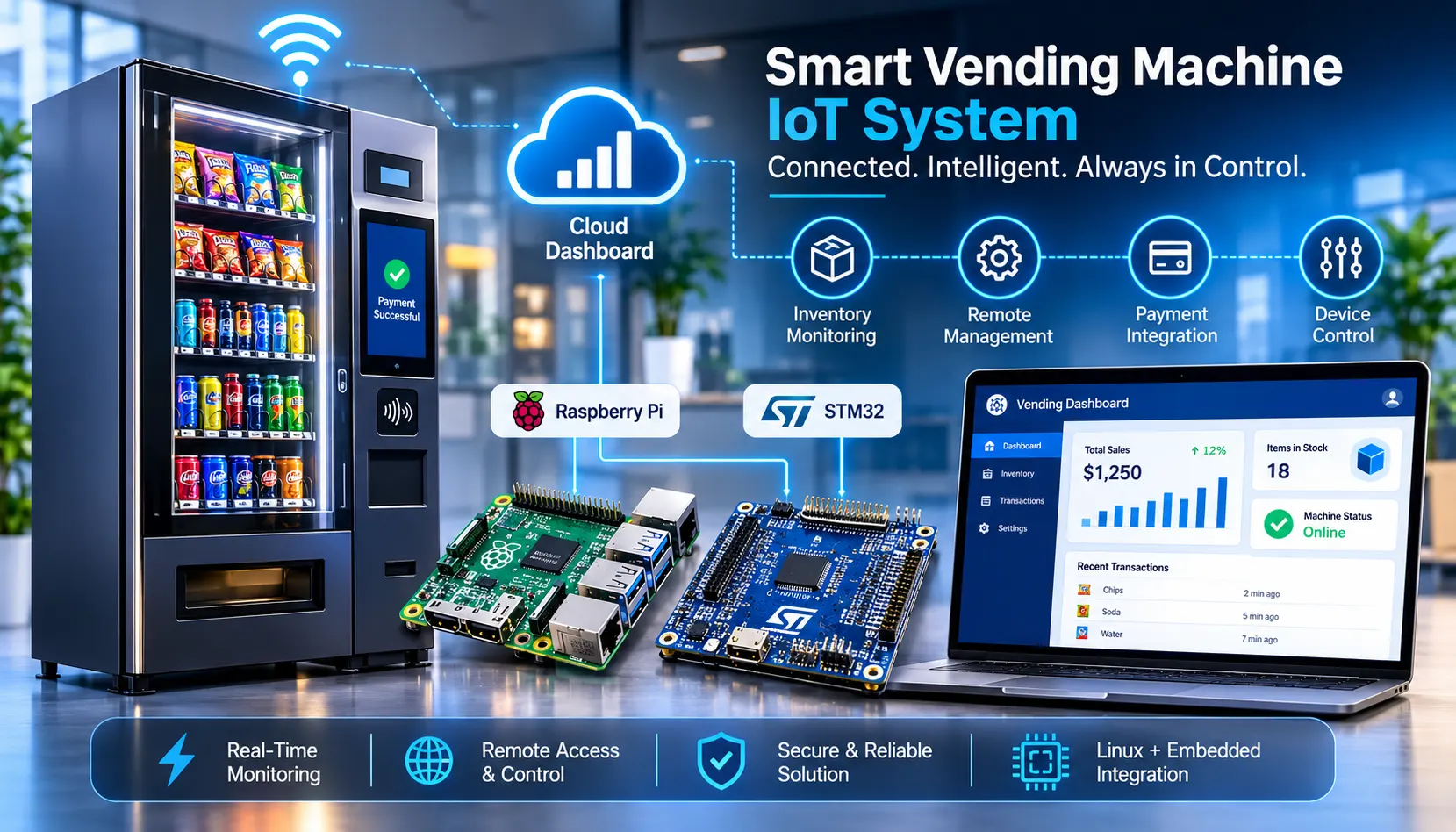
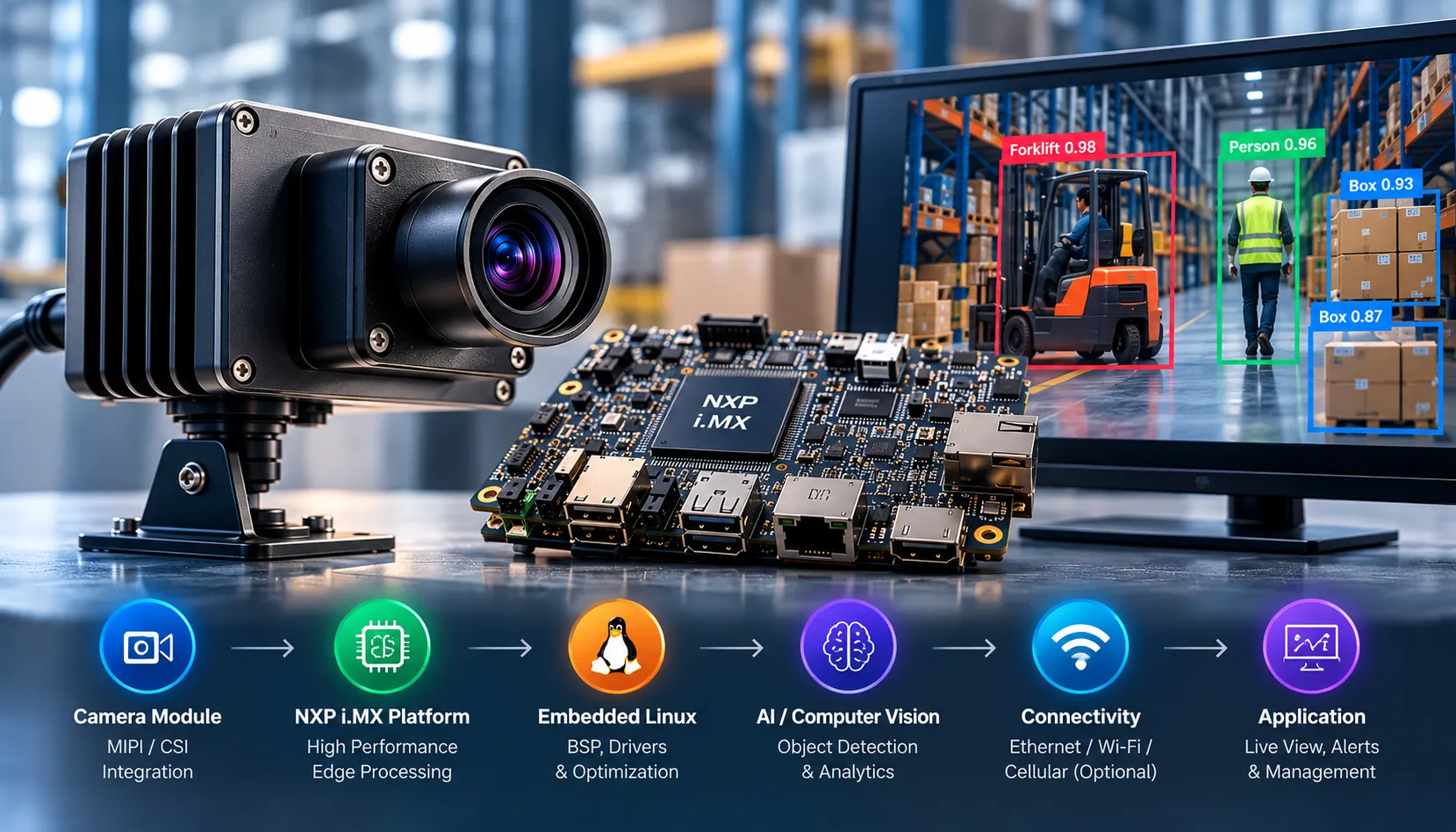
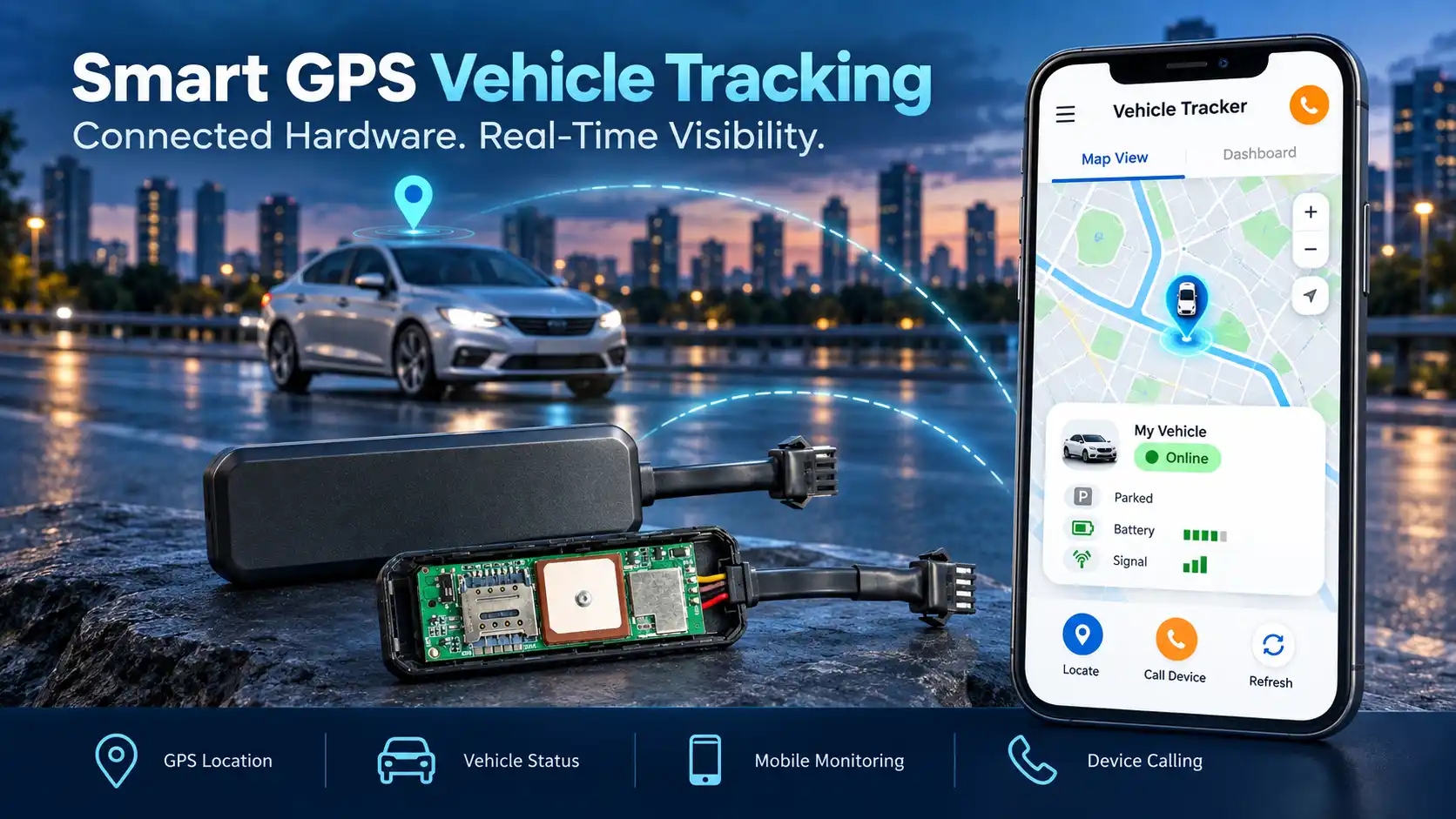
Our embedded engineering experience extends beyond individual drivers. We have delivered connected products that combine hardware design, embedded firmware, Linux or edge software, cloud platforms and user applications.

Our Embedded Linux, BSP and Driver Development Services
Board Bring-Up and BSP Development
The BSP ties the OS to the specific hardware that you have chosen for your product. It holds all the configuration, patches, boot process, board definitions, and drivers necessary to get Linux running on specific hardware.
Our team begins with the review of the schematic diagram, bill of materials, the processor reference design, and the interface requirements. Then we turn on and test critical hardware blocks like DDR, eMMC, NAND, SD Card, Ethernet, USB, display, camera, audio, GPIO, I2C, SPI, UART, CAN, PCIe, and wireless blocks.
Our services include creating custom BSPs for processors and boards like NXP i.MX, Rockchip, Raspberry Pi Compute Module, NVIDIA Jetson, TI Sitara, Qualcomm-derived hardware and custom ARM Linux hardware. You will get a clean and version controlled baseline for use in further product development.
Linux Kernel Customisation
The Linux Kernel has to be tailored for the target hardware, memory constraints, performance needs, and product features. Unneeded drivers and services could lengthen boot process, enlarge security footprint, and increase maintenance efforts.
Incomplete or incorrectly configured kernel configuration parameters would produce instabilities in the field which could be hard to recreate.
Our team will tailor the kernel configuration, provide maintainable patches, tailor power management features, manage boot process, and test suspend/resume, watchdog restart, storage, and networking features. We can also assist in making correct decisions between vendor kernel branch and long-term support kernel approach.
Custom Linux Device Driver Development
The device driver helps Linux to communicate properly with the hardware element. The standard device driver is readily available for some standard interfaces, while custom devices may require special support for sensors, displays, cameras, codecs, ADCs, motors control and any other hardware such as PCIe devices, USB devices, CAN or custom interface hardware.
We create and implement drivers for the Linux kernel as well as user space with considerations towards proper error handling, multithreading issues, memory management, interrupt handling and recovery. Where appropriate, we make use of standard Linux solutions instead of writing custom solutions where not required.
Our work can include:
I2C, SPI, UART, GPIO and PWM drivers USB, PCIe and Ethernet device integration CAN, Modbus, RS-485 and industrial communication interfaces Display, touchscreen, camera and audio support Sensor and data-acquisition drivers Power-management and battery-monitoring support Device-tree bindings and kernel module integration User-space libraries, command-line tools and diagnostic utilities
Yocto Project and Buildroot Development
A reliable embedded product needs a reproducible build process. Manual changes made directly on a device are difficult to track, test and repeat. Yocto Project and Buildroot allow teams to define the complete Linux image, packages, configuration, licences and board support in source control.
We create custom layers, recipes, image configurations and package policies for Yocto Project. For lightweight products, we also develop Buildroot-based systems that prioritise fast build cycles and a compact filesystem. Our work includes cross-compilation, package selection, service management, read-only filesystem design, licensing review support and CI-friendly build automation.
Linux Security, OTA Updates and Product Reliability
Connected device platforms should have a security model that is built into the architecture rather than added later as an afterthought. In our work, we ensure the secure boot chain, signing of firmware images, secure storage of credentials, least privilege services, encryption of communications, and secure remote updates.
In order to improve reliability, we design mechanisms to recover from failures under realistic operational scenarios, which may include watchdog timers, application supervision, reconnecting to the network, rotating log files, crash analysis, A/B update partitions, and rollback.
Our Engineering Process
Our first step involves going through the technical discovery process, where we evaluate the processor, the board design, the interfaces, the operating environment, the compliance requirements, and the commercial deployment intentions.
This way, we are able to determine hardware issues at an early stage such as hardware components which are not supported, dependencies in power sequencing, storage constraints, and heat concerns.
Our next step involves creating the boot chain and setting up the board baseline. The peripherals are then added in a planned manner after which each interface is tested using defined acceptance criteria.
For instance, the Wi-Fi module will be tested for reconnection, power usage, and ability to recover from losing access point while the industrial interface will be evaluated based on noise tolerance and time-out capability.
We keep records of source control, build instructions, configurations, and tests performed in our process.
Why Choose Adequate Infosoft?
Embedded Linux projects frequently suffer from the disconnect between hardware, firmware, applications and cloud engineering efforts. At Adequate Infosoft, we combine all the above expertise, helping our clients minimize transition problems and make decisions based on the whole life cycle of the product.
Our developers deal with deliverables that are tangible enough, source-controlled BSPs, reproducible images, tested drivers, deployment guides, diagnostics and maintainable update schemes.
We provide the full picture of technical risks, mentioning the possibility of hardware modification, vendor dependencies and compliance issues that may jeopardize delivery success.
Frequently Asked Questions
The BSP is a wider software bundle which allows Linux to be running on a given board. It includes bootloader settings, kernel configuration, device tree files, patches and other board-specific utilities. The device driver is a more focused part of the system which allows Linux to interact with a given peripheral hardware.
Yes. We apply Yocto Project when a project requires highly customizable, scalable and reproducible Linux distribution. The Buildroot might be a good choice for small-size products which have simpler requirements and faster build process.
Yes. We can assess existing hardware, schematics, boot logs, kernel configuration and source repositories, then identify the work required for board bring-up, peripheral enablement, driver fixes or operating-system modernisation.
Yes. We can design or improve an update mechanism with signed images, controlled rollout, A/B partitions, rollback support and remote diagnostics. The right approach depends on storage layout, bootloader capabilities, connectivity and safety requirements.
We work with standard ARM platforms such as NXP i.MX, Raspberry Pi Compute Module, Rockchip, NVIDIA Jetson, TI Sitara and many other Linux-enabled processors. We can also evaluate vendor-supported custom platforms and define the most appropriate implementation method.
We test proper functioning of the driver and its behavior under different failure scenarios such as multiple connection/disconnection, wrong inputs, heavy load, reboot, power failure and extended use.